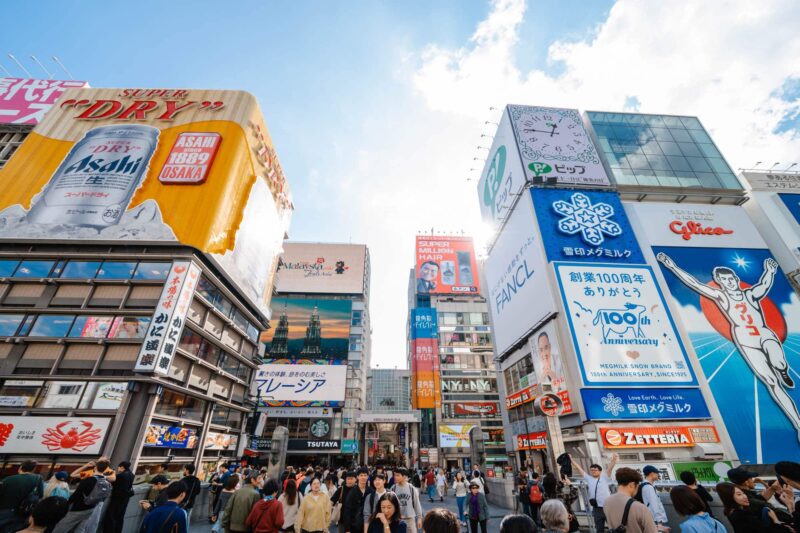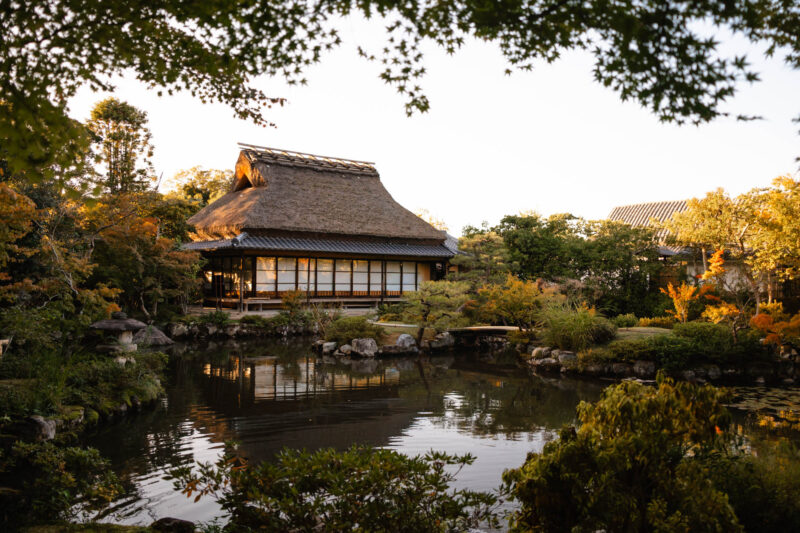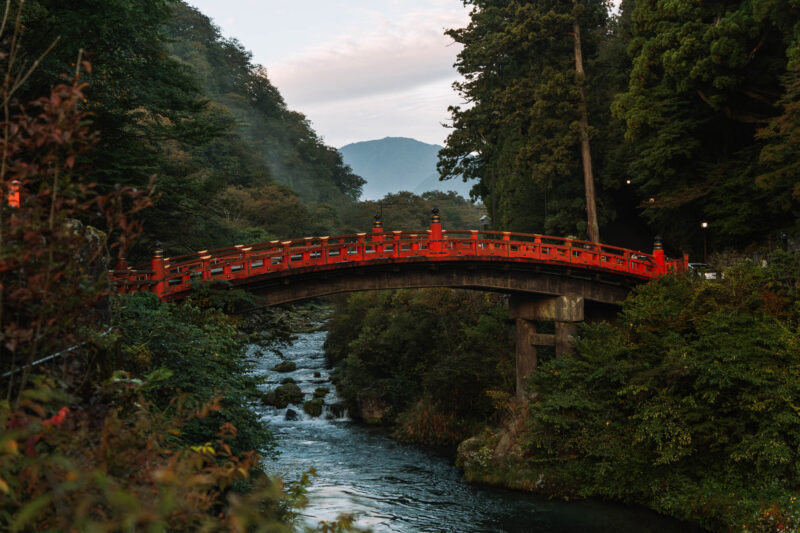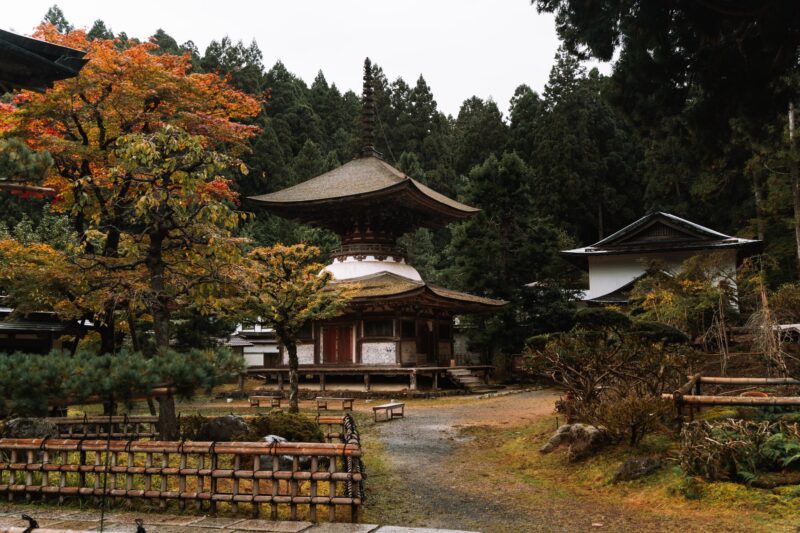


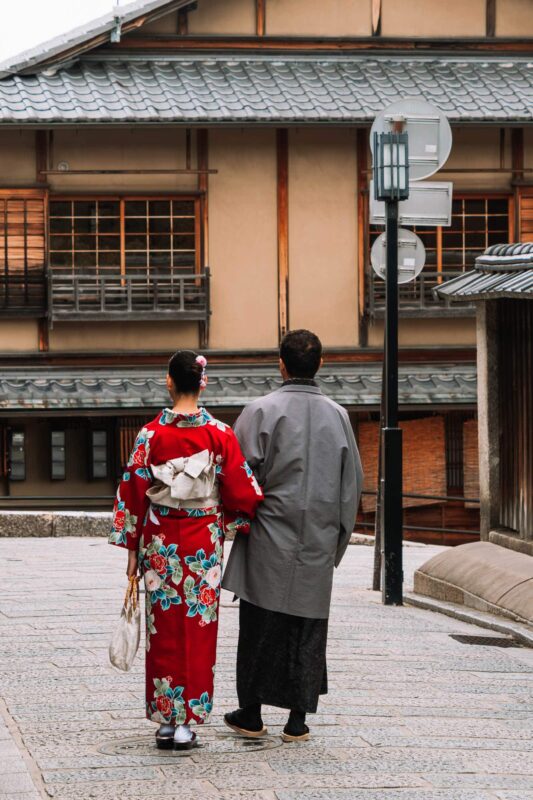
Kyoto is the cultural heart of Japan. For centuries, it served as the imperial capital, and you can still feel that history in every street. Kyoto breathes history, but in an understated way, as if time has stood still here. You won’t find the neon signs of Tokyo; instead, there are bright orange torii gates, hundreds of temples, wooden teahouses, and women in kimonos walking the streets in wooden sandals. With more than 1,600 Buddhist temples and 400 Shinto shrines, the city is one large open-air museum. Tucked between the old neighborhoods, you’ll also find trendy coffee bars, art galleries, and boutiques that showcase the modern, creative side of Japan. Below you can read my 16 tips for the most beautiful sights, great restaurants, and the best neighborhoods to stay in Kyoto.


How do you travel to Kyoto?
Most people travel from Takayama, Osaka, or Tokyo to Kyoto. Below you can read how to travel from these destinations.
From Takayama to Kyoto
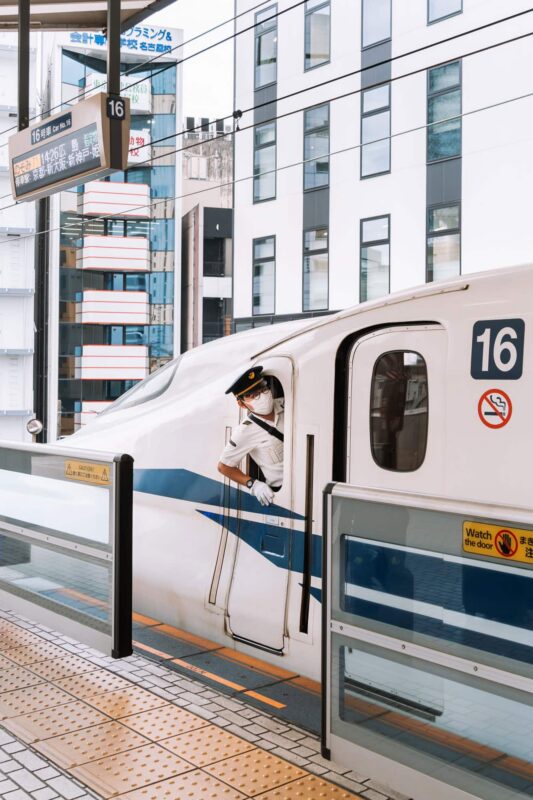
By train: The fastest way to travel from Takayama to Kyoto is by train. From Takayama Station, take the Limited Express Hida train toward Nagoya. This ride takes about 2 hours and 20 minutes and passes through beautiful mountain landscapes. In Nagoya, transfer to the Shinkansen (bullet train) toward Kyoto, a ride of about 35 minutes. The total travel time is 3 to 3.5 hours, and the journey is covered by the Japan Rail Pass.
By bus: You can also take the bus from Takayama to Kyoto. This is a cheaper option, but it takes longer. There are direct buses from Takayama to Kyoto. The ride takes about 4.5 to 5 hours.
From Osaka to Kyoto
By train: Osaka and Kyoto are only about 50 kilometers (31.1 miles) apart, so the train ride never takes long. Several trains run between them, with the Shinkansen being the fastest: you’ll be in Kyoto in just 13 minutes. The Limited Express takes half an hour, and the Hankyu Railway takes 40 minutes. The latter is also the cheapest option. View the different trains from Osaka to Kyoto.
From Tokyo to Kyoto
Want to travel from Tokyo to Kyoto at lightning speed? Board the Shinkansen, which brings you to Kyoto in just 2 hours. Reserve your train tickets online before departure.


Tips for transportation in Kyoto
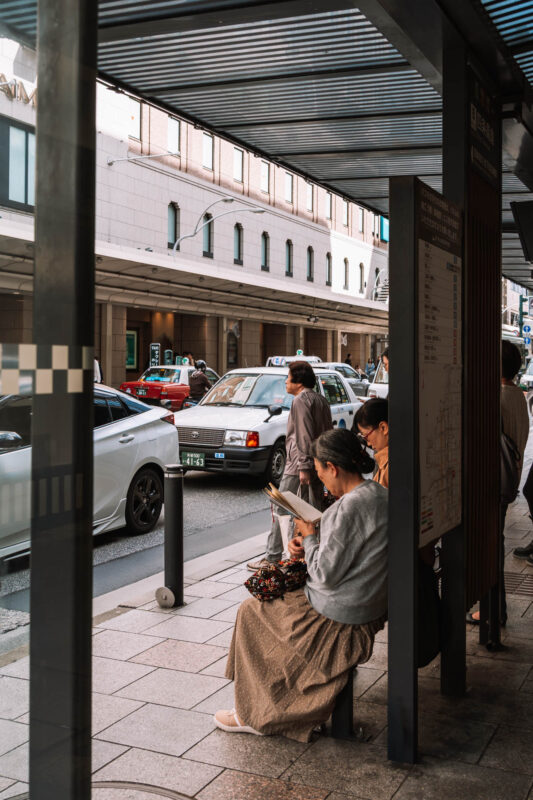
The easiest way to explore Kyoto is by subway, bus, and bicycle. The subway has only two lines and is useful for crossing the city quickly. To reach most attractions, it’s best to take the bus. Buses run to almost every corner of the city. You can easily check in and out with an IC card like Suica, Pasmo, or Icoca. If you plan on taking many trips in one day, a bus and subway day pass might be cheaper; these are available at subway stations and information desks at Kyoto Station.
Renting a bike is also a fun way to explore Kyoto. The city is fairly flat, and you won’t have to deal with heavy traffic or crowded buses. Only park your bike in official bicycle parking areas, as you can be fined for illegal parking. Kyoto Eco Trip is a good rental company located near the Kyoto train station. More athletic travelers can rent a road bike to cover plenty of kilometers in and around Kyoto.


What to do in Kyoto?
There are so many beautiful sights to see and fun activities to enjoy in Kyoto. Here are 17 tips!
Take in the view of Kyoto from Kiyomizu-dera Temple
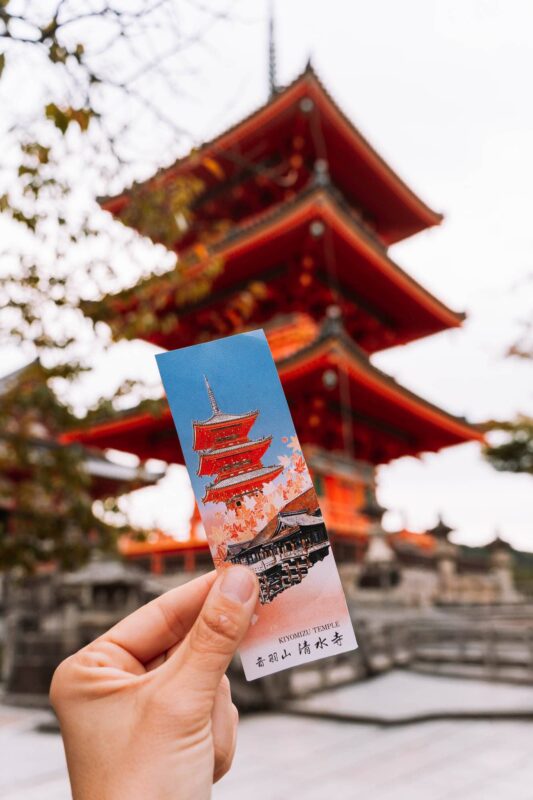
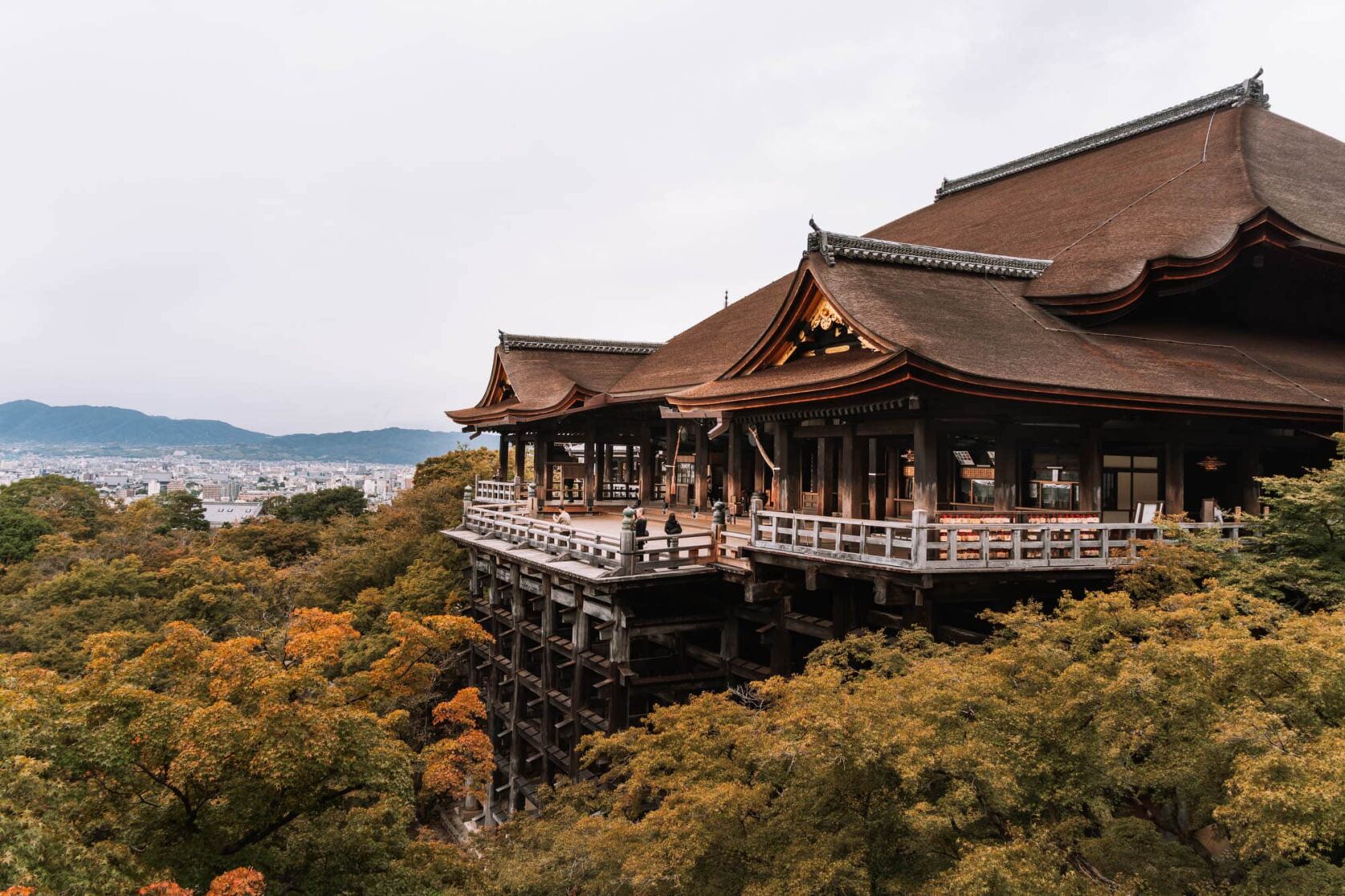
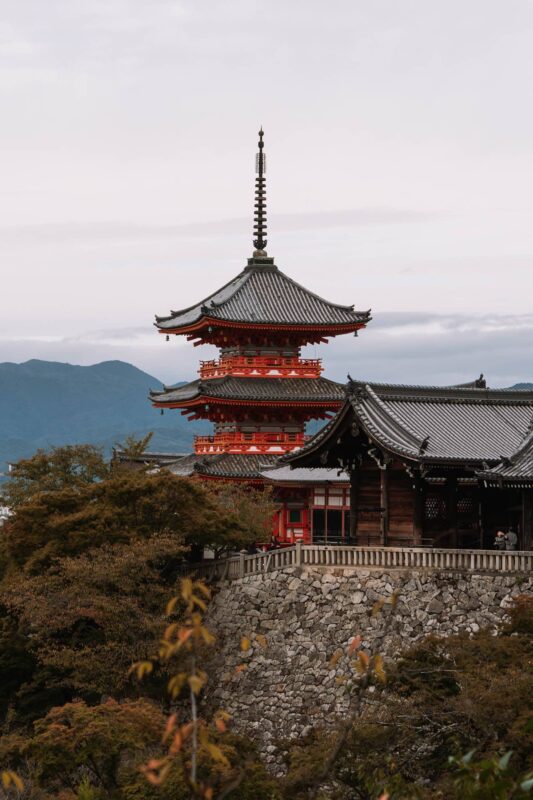
Kiyomizu-dera is perhaps the most visited temple in Kyoto, and it is truly impressive. After walking past the bright red pagoda, you reach the wooden main hall, which rests on a striking structure of pillars that rise 13 meters (42.7 feet) above the ground. From the veranda, you can enjoy an amazing view over Kyoto. To enjoy this view and avoid the crowds, it is recommended to visit the temple early in the morning (preferably before 8:00 AM) or just before closing time.


Attend a tea ceremony in a temple
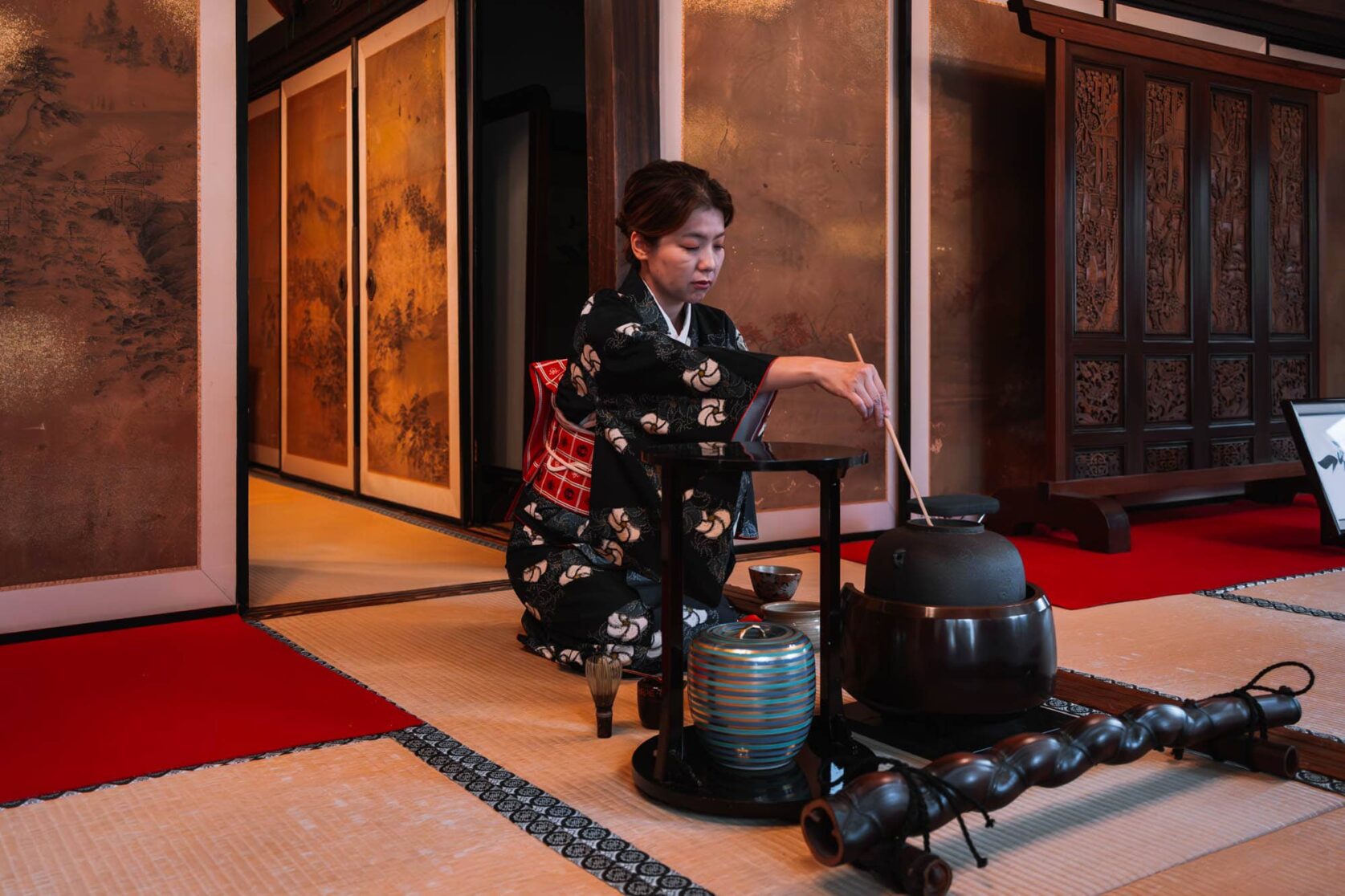
Tea ceremonies are a vital part of Japanese culture. Furthermore, the best matcha comes from this region—specifically from the neighboring city of Uji. This makes Kyoto the perfect place to attend a tea ceremony. A tea ceremony often takes place in a quiet room or traditional teahouse, where the host prepares a large bowl of matcha with extreme precision. Every action, from cleaning the bowl to whisking the tea with a bamboo whisk, is done in silence and with full attention.
I went to this tea ceremony at Jōtoku-ji Temple and highly recommend it to everyone. Here, in just over an hour, you get to see how the tea ceremony works. You also get to prepare and drink matcha yourself in the traditional way. A truly special experience! Reserve your spot at least a month in advance, as the tea ceremony fills up quickly.
Tip: Want the full experience during the tea ceremony? Rent a traditional kimono for the day at one of the many spots in the city. It makes the Japanese experience complete.
Explore Gion: the geisha district
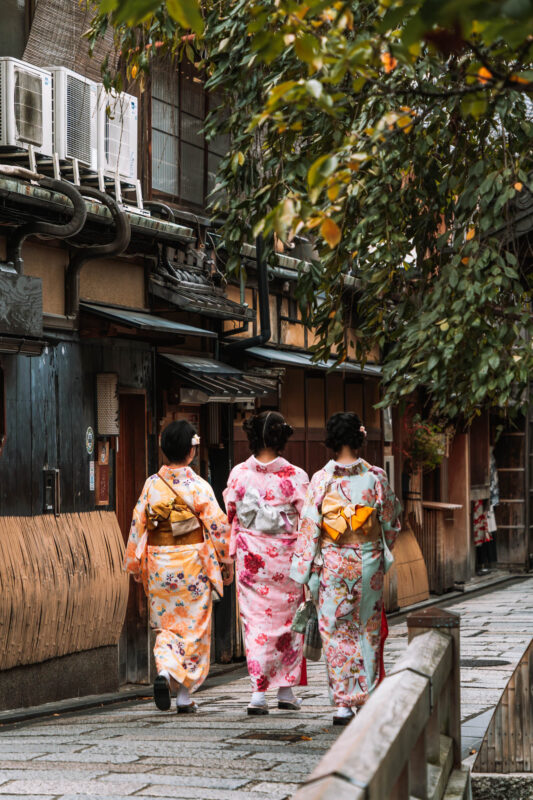
Gion is the Japan you know from the movies. This is the district where girls have been trained as geishas for centuries. A geisha is a highly trained Japanese hostess who entertains guests with traditional arts such as singing, dancing, and music. Hanami-koji Dori is a lovely street to walk through. You’ll find restaurants, atmospheric teahouses, and small alleys where maikos (apprentice geishas) in colorful kimonos occasionally pass by. The best chance to see maikos is in the evening, often around Pontocho Alley. Pontocho Alley is a long, narrow pedestrian street. Behind the beautiful facades, you’ll find restaurants and teahouses, some with stunning inner gardens.
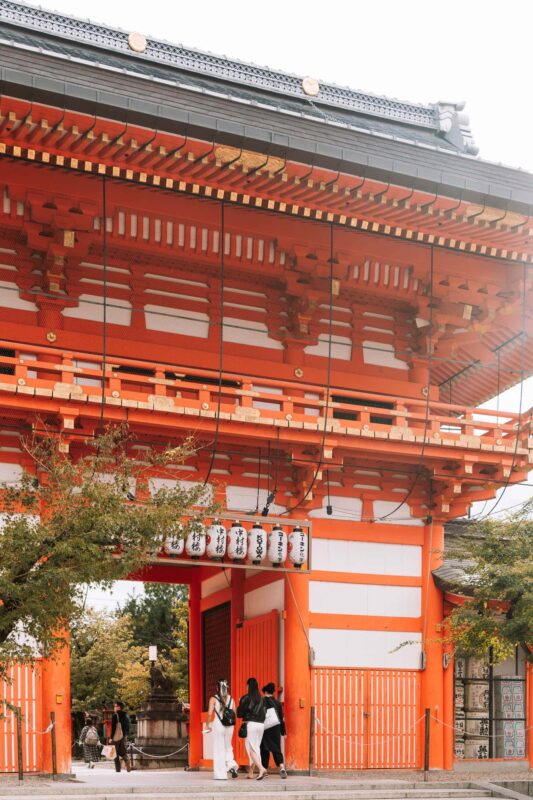
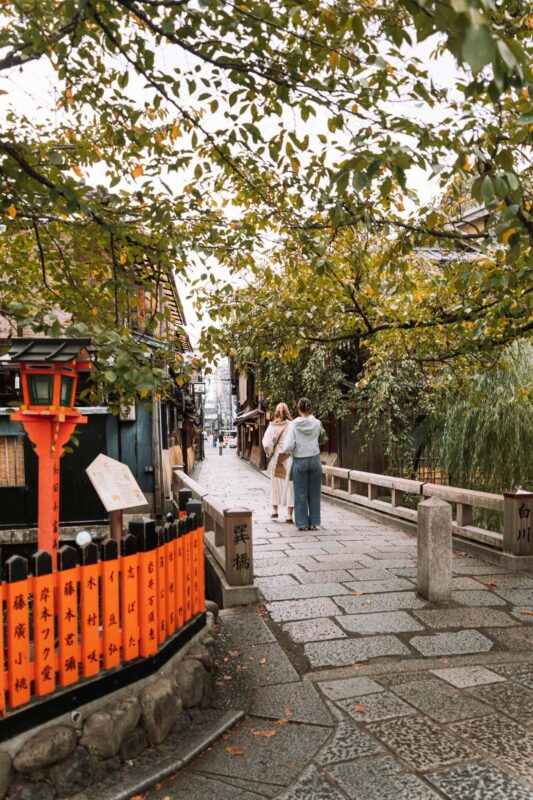
In Gion, you’ll also find the famous Yasaka Shrine, where hundreds of lanterns glow at night. Shinbashi-dori Street is known as one of the most beautiful streets in Japan, so be sure to walk through it. For a quieter part of Gion, stroll along the Shirakawa Canal and across the charming Gion Tatsumi Bridge. Everything that defines Gion comes together here: wooden houses, paper lanterns, and narrow hidden streets.
Tip: If you want to learn more about geishas, the history, and the hidden stories of this neighborhood, join the Gion walking tour.


Discover Kyoto with a bike tour
One of the best ways to really get to know Kyoto is with the Kyoto bike tour! Together with a local guide named Aska, who knows the city inside out, you’ll explore Kyoto’s most beautiful sights. During the 3.5-hour tour, you’ll cycle past temples, charming streets, and hidden spots you might otherwise miss. You’ll visit the beautiful Ginkaku-ji temple and cycle along the Philosopher’s Path. Along the way, Aska shares fascinating stories about Japanese culture and Kyoto’s history. This bike tour is the ideal way to see a lot, learn, and truly experience the vibe of Kyoto in one day.


Photograph Yasaka Pagoda in the historic Higashiyama district
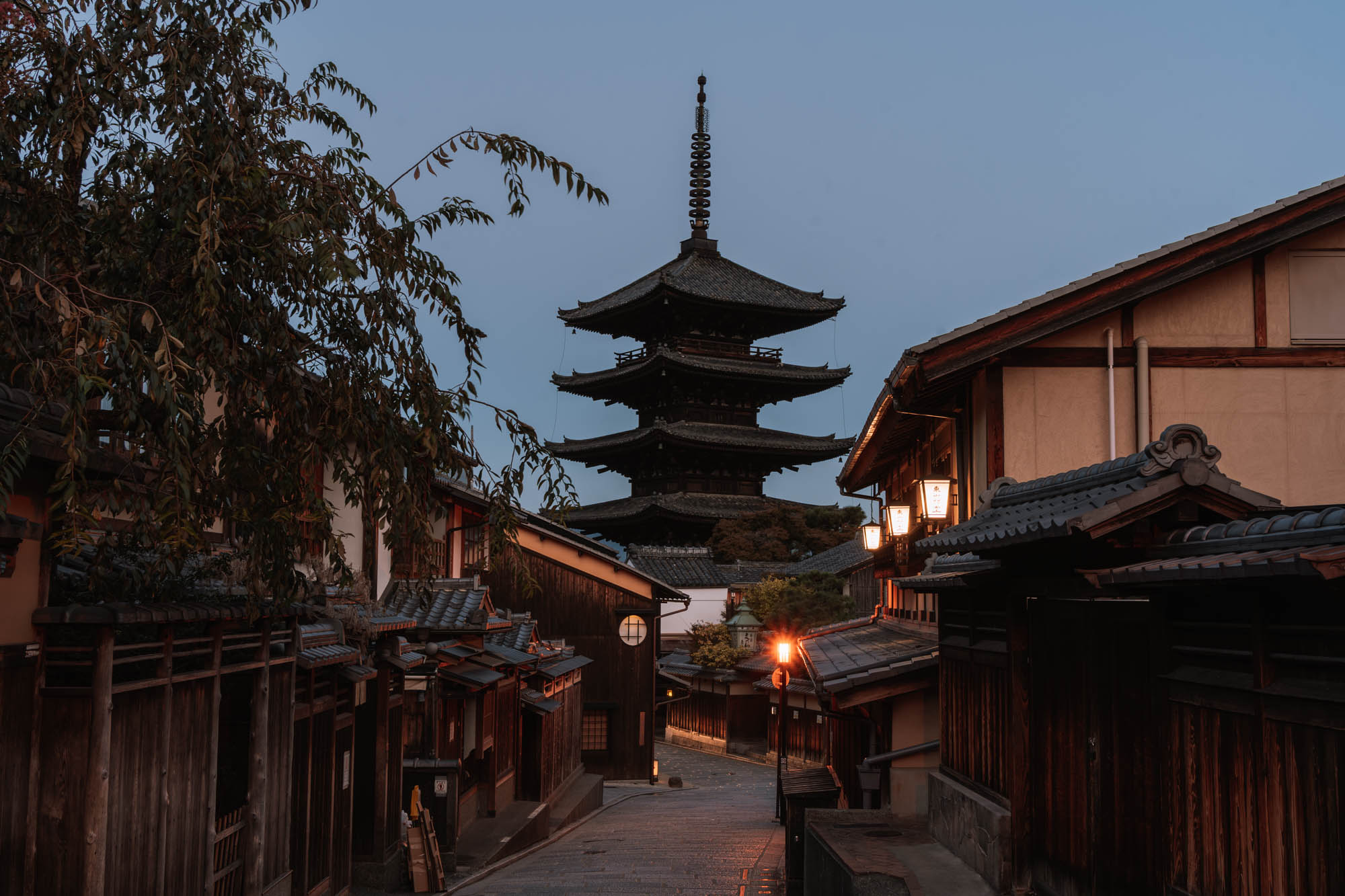
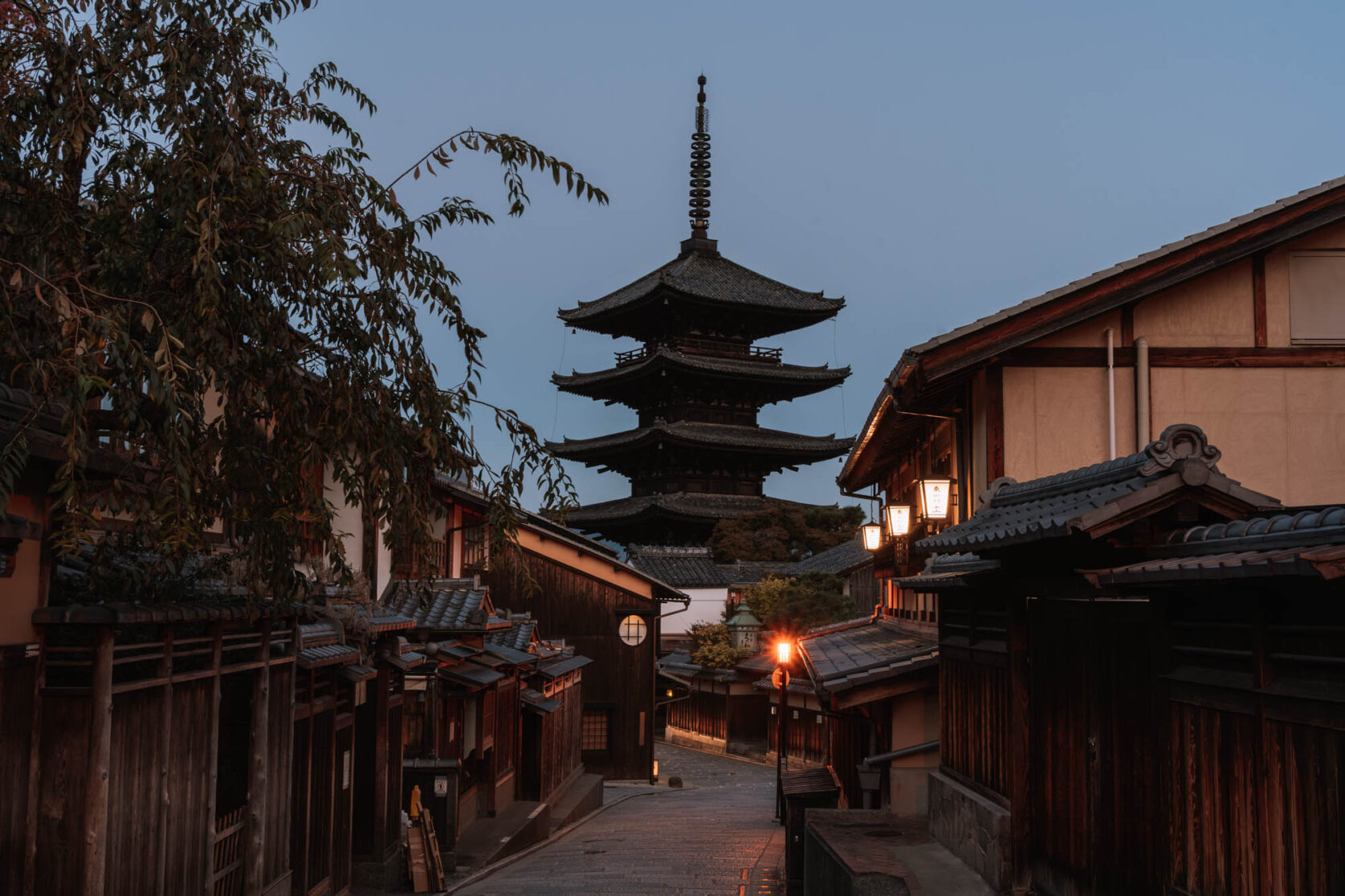
Yasaka Pagoda (officially Hōkan-ji Temple) is one of the most photographed spots in Kyoto. The five-story pagoda towers over the traditional wooden houses of the Higashiyama district. It is an iconic image that perfectly captures the character of Kyoto. Especially early in the morning, when the streets are still quiet and the sun is rising, there is a special atmosphere here.
Stroll through the authentic Ninenzaka and Sannenzaka streets
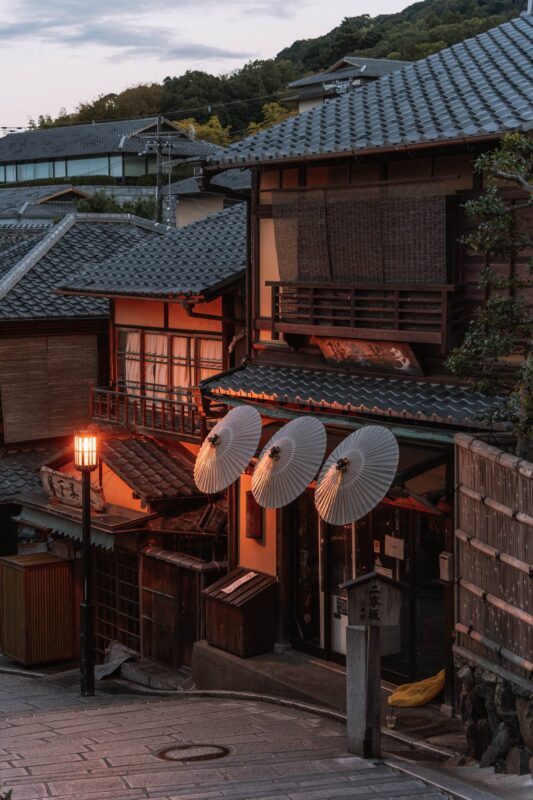
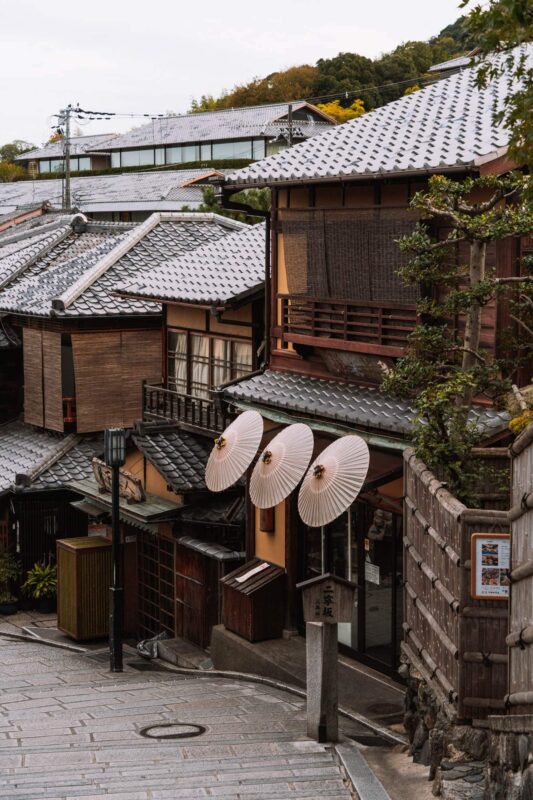
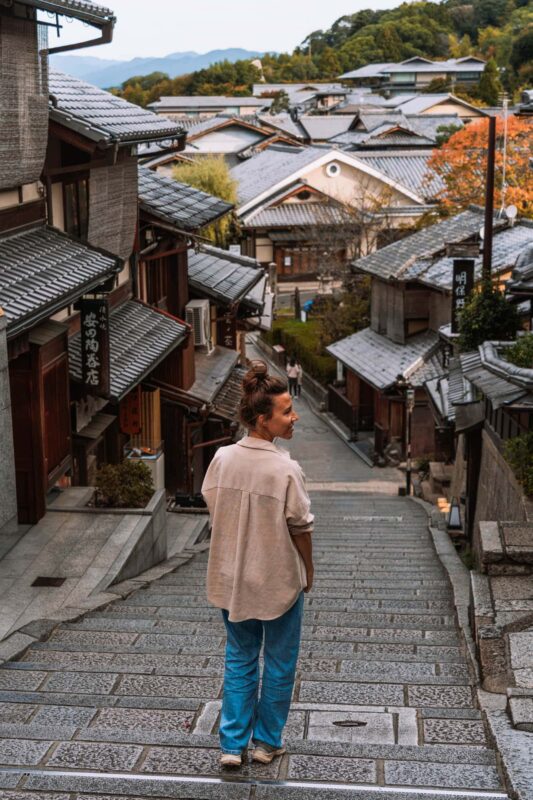
After visiting Yasaka Pagoda, be sure to walk to the paved streets of Ninenzaka and Sannenzaka, two of Kyoto’s most atmospheric streets. The wooden houses, stone steps, and noren (fabric curtains) in the doorways give this neighborhood its authentic charm. The streets are lined with restaurants, small boutiques, and craft shops selling souvenirs and handmade products. Even the local Starbucks is completely designed in style. Every corner in these streets is photogenic! It is also best to visit here in the early morning. From mid-morning onwards, when most businesses open, it gets very crowded quickly.


Walk through the famous torii gates of Kyoto
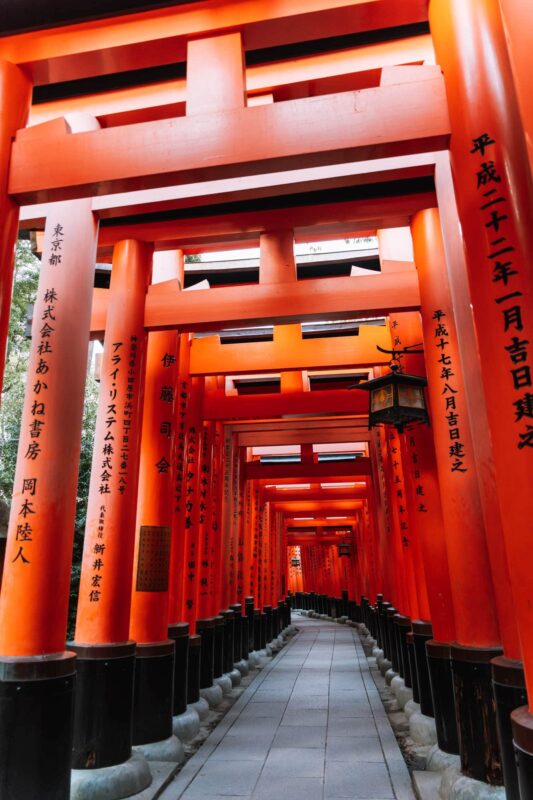
You can see iconic torii gates in several places in Japan, of course, but nowhere are they as impressive as those at Fushimi Inari-Taisha in Kyoto. Thousands of bright orange gates form a winding path through the forested hills of Mount Inari. You can hike the entire route, which takes about two hours. The first section is often crowded, but it gets quieter the higher you go. Halfway through the route is Yotsutsuji Viewpoint, a beautiful spot to watch the sunset over Kyoto. From the viewpoint, the path splits: you can continue up toward the summit or head back down, which is what most visitors do after seeing the view. It’s good to know that the summit itself only has a small shrine with torii offerings; there is no viewpoint there.
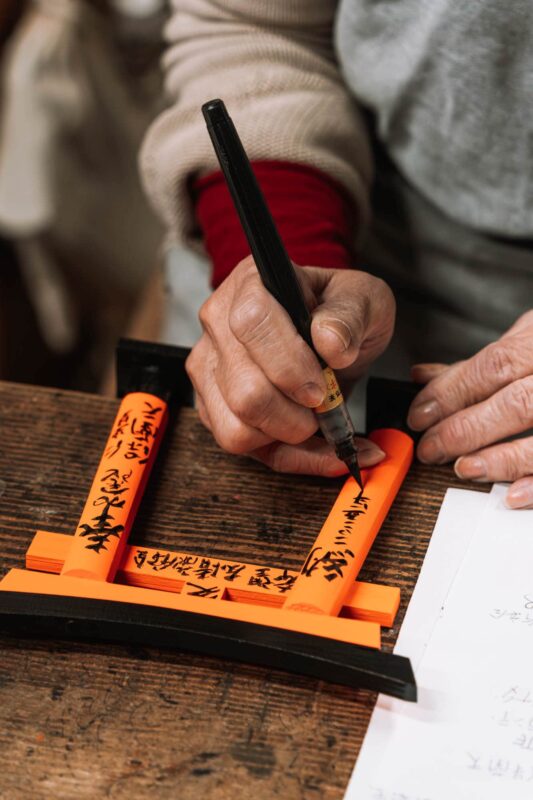
Tip: Along the route, you’ll find small shops where you can buy miniature torii gates. Have your name and a wish calligraphed on it and place it along the way for good luck, or take it home as a special souvenir.


Taste the local specialty Yatsuhashi
Tasting the local specialty Yatsuhashi is a must when you visit Kyoto. This typical sweet snack consists of a thin rice cake with a light cinnamon flavor. The most famous version is nama yatsuhashi. This is soft and slightly chewy, folded into a triangle and filled with anko, a sweet red bean paste. There are also varieties with matcha, for example, and a baked Yatsuhashi that is nice and crunchy.
Tip: Izutsu Yatsuhashi Honpo has several locations in Kyoto, and this is where you can get the tastiest Yatsuhashi!
View the golden temple Kinkaku-ji
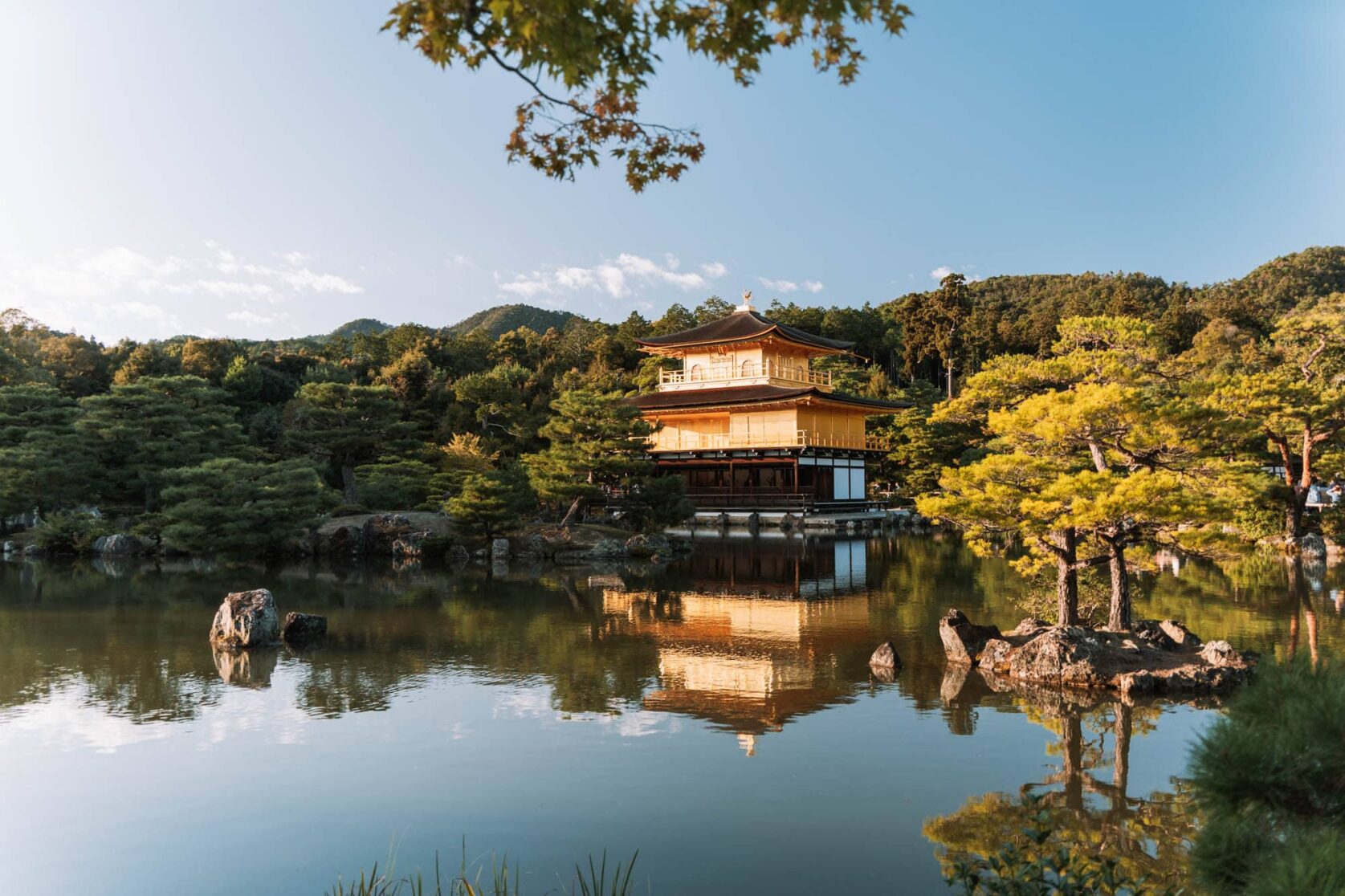
The Kinkaku-ji temple, also known as ‘The Golden Pavilion,’ is a one-of-a-kind temple. The top two floors are completely covered in gold leaf, making the building literally shimmer in the sun, especially in the late afternoon. The temple is closed to the public, so unfortunately you cannot go inside. Surrounding the temple is a carefully landscaped Japanese garden with a beautiful lake, where the temple seems to almost float. Visit Kinkaku-ji preferably early in the morning or late in the afternoon when the sun illuminates the temple beautifully and the reflection in the water is at its best.

Visit the Ginkaku-ji Temple with its Japanese wabi-sabi garden
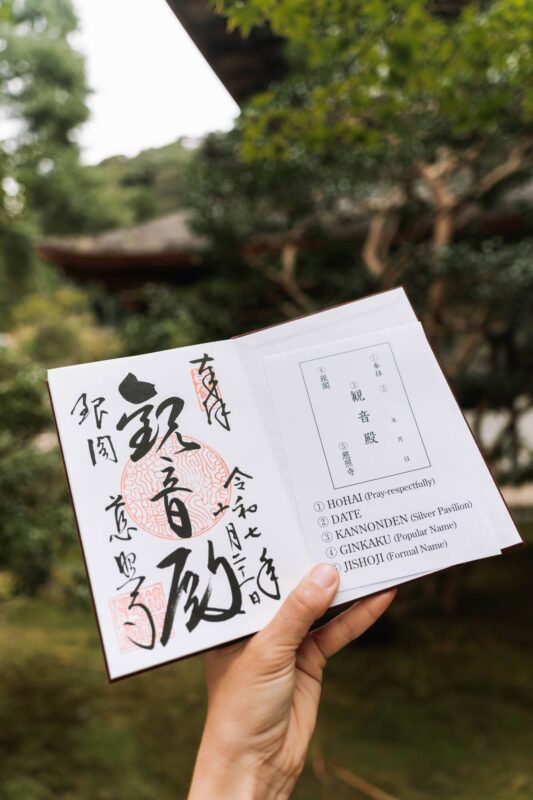
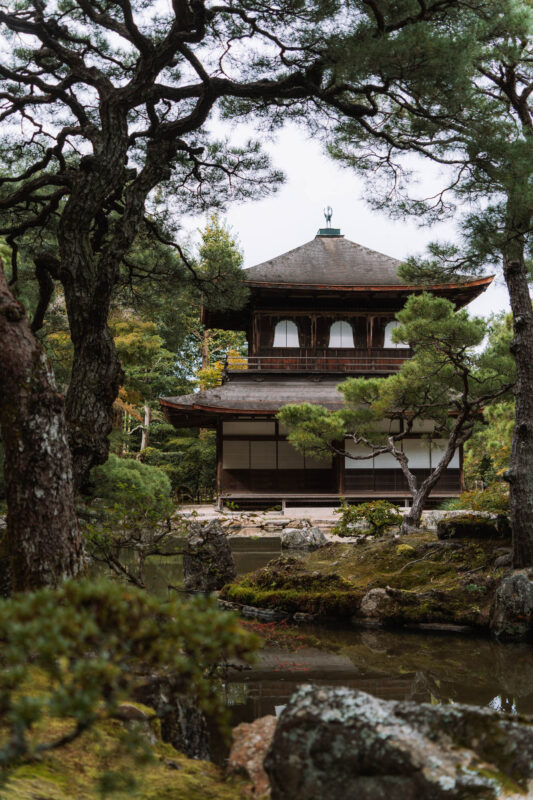
In eastern Kyoto lies the Ginkaku-ji temple, the understated counterpart to the Kinkaku-ji temple mentioned above. The nickname ‘The Silver Pavilion’ refers to the original plan to cover the building in silver, which ultimately never happened. Because of this, the temple radiates simplicity, with its wooden structure and a garden that perfectly fits the Japanese wabi-sabi aesthetic. The gardens are a highlight in themselves. Stroll past the carefully raked dry sand garden, through the green moss landscape, and along the path to the viewpoint where you have a beautiful view of the grounds. The temple opens its doors at 8:30 AM. It is recommended to come early in the morning to experience these beautiful gardens in peace.


Follow the Philosopher’s Path
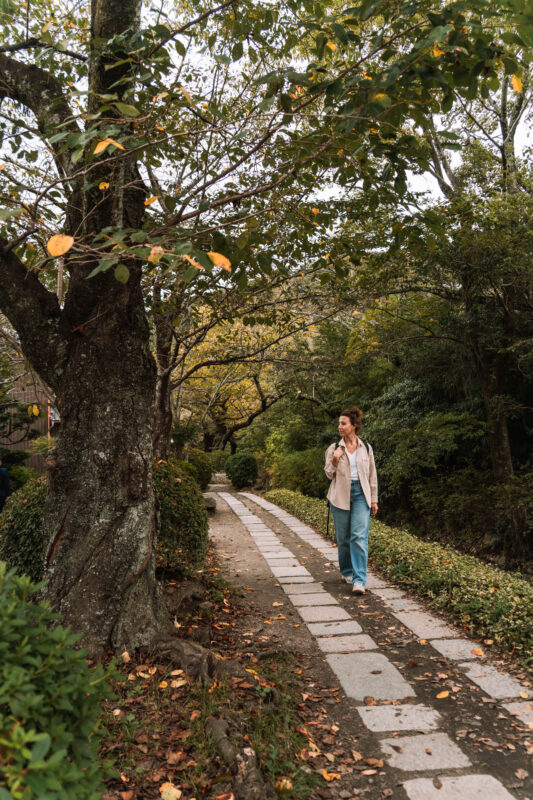
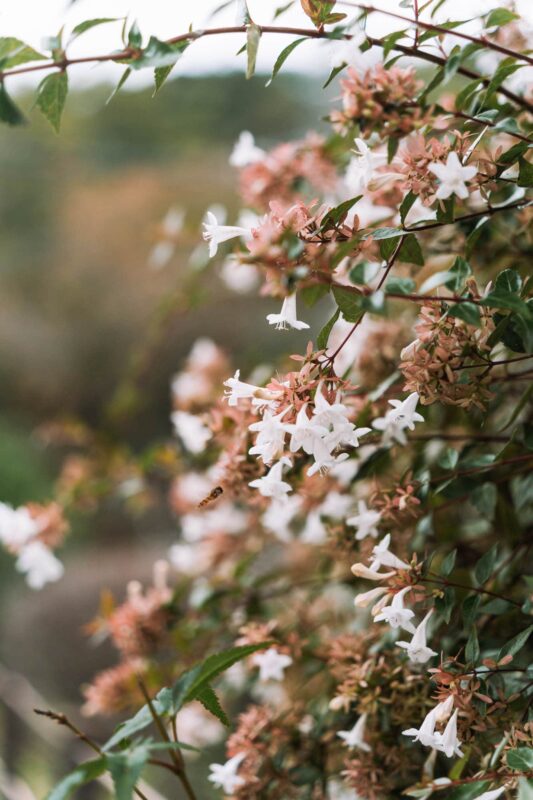
After your temple visit, you can continue walking along the charming Philosopher’s Path, also known as Tetsugaku no Michi. This path is about 2 kilometers (1.2 miles) long and runs from the Ginkaku-ji Temple in northern Kyoto to the vicinity of the Nanzen-ji Temple in the south. The path runs along a quiet canal lined with trees and small temples. The name refers to the famous Japanese philosopher Nishida Kitarō, who walked here daily to reflect and find peace. Especially in spring, you’ll see stunning cherry blossoms here, and in autumn, fiery colors.
Tip: Along the Philosopher’s Path, you’ll find a few small cafes and teahouses. Cafe Mercredi is ideal if you’re craving a fruity dessert or a good burger, and at Green Terrace, you can settle down for great coffee and a sweet treat, like cheesecake.


Find peace at Daigo-ji Temple
Daigo-ji Temple consists of several temples and, despite its large size, is less visited than many other attractions in Kyoto. This allows you to explore this place in peace at any time of day. The grounds are divided into three parts, and at the entrance, you decide which zones you want to visit.
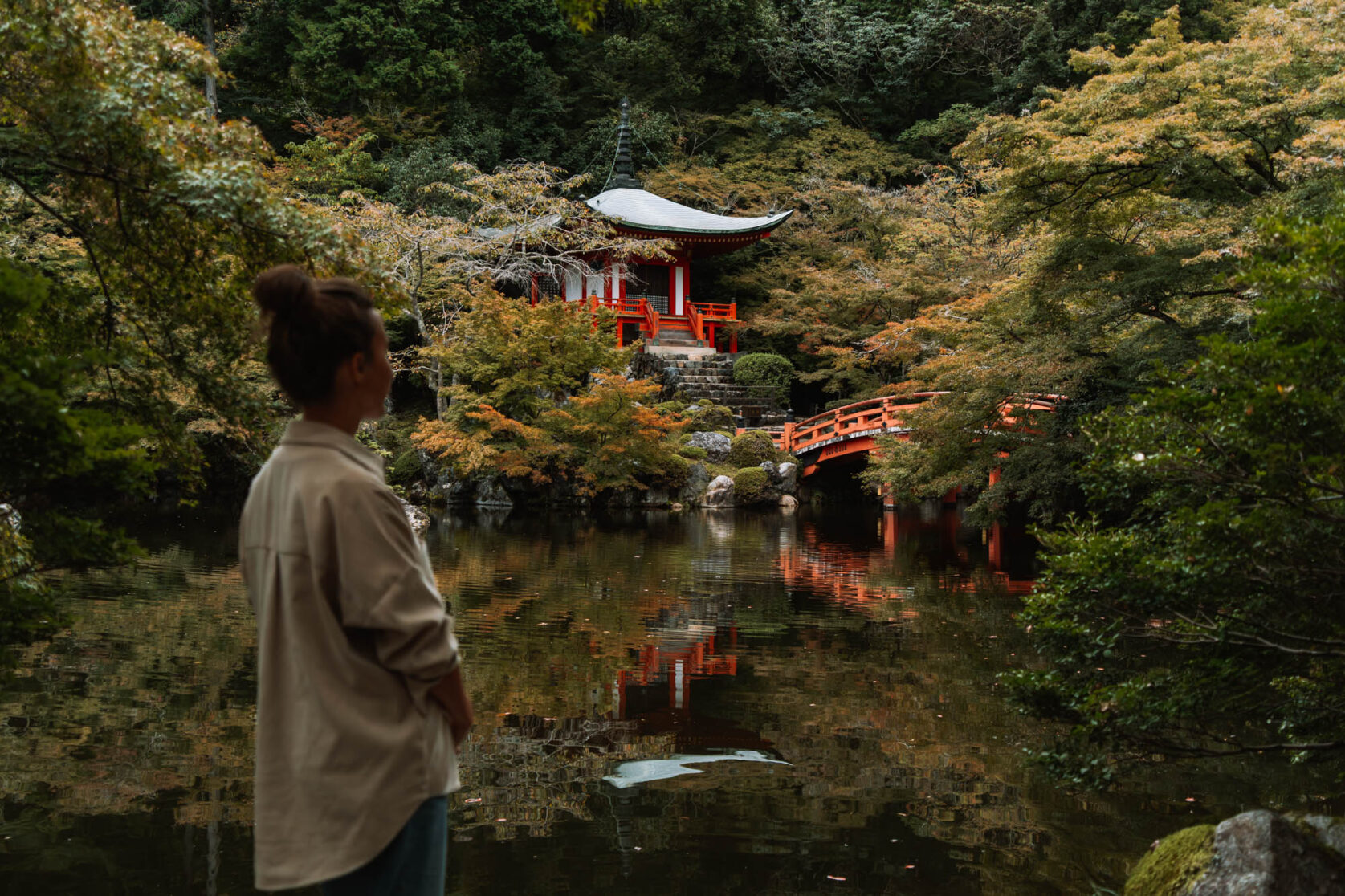
One of the most beautiful spots is at the back of the grounds, by the pond where the small red Bentendo Temple and its red bridge sit nestled in the greenery. Within the complex, you’ll also find the Sanbō-in Temple, famous for its landscape garden. This garden is a masterpiece of ponds, stones, and carefully placed trees, designed to show a different character each season. You can visit part of the temple and garden for free; a small entrance fee is charged for access to the inner section.

Stimulate all your senses at Nishiki Market
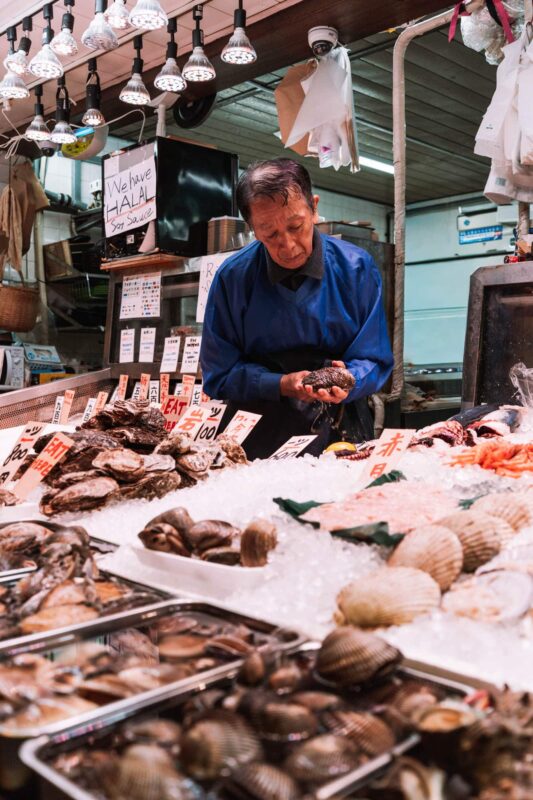
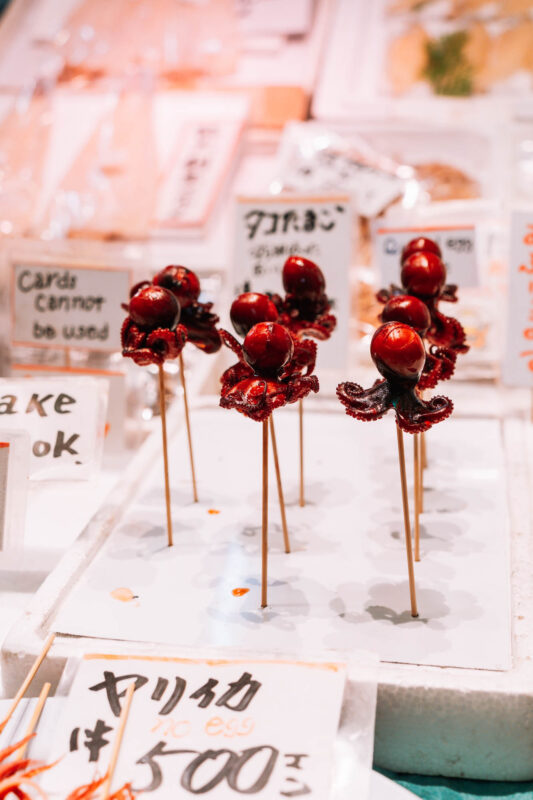
Nishiki Market is a covered market street over 400 meters (1,312 feet) long, filled with dozens of stalls, small eateries, and craft shops. What started as a fish market has grown into the place to taste and experience the flavors of Kyoto. You’ll find everything: fresh sushi, grilled yakitori, Japanese pickles (tsukemono), matcha sweets, tofu in all forms, and freshly baked tamagoyaki (Japanese omelet). Many stalls offer small bites or skewers to taste, such as a mini octopus with an egg inside. You’ll also find shops selling cookware, knives, and tea supplies for those looking for a useful souvenir. The best time to go is around 10:00–11:30 AM. All the stalls and shops are open then, and it’s not yet too crowded. After visiting the market, you can continue into the indoor shopping mall if you want to shop further.
Food tour: You can easily visit Nishiki Market on your own, but this culinary food tour makes it even more fun. You’ll head out with a small group and an enthusiastic guide who will tell you all about the dishes and Japanese food culture. In addition to the market, you’ll visit a temple and the nearby shopping mall. If you wish, you can also optionally attend a tea ceremony.


Walk through Arashiyama Bamboo Forest in Kyoto
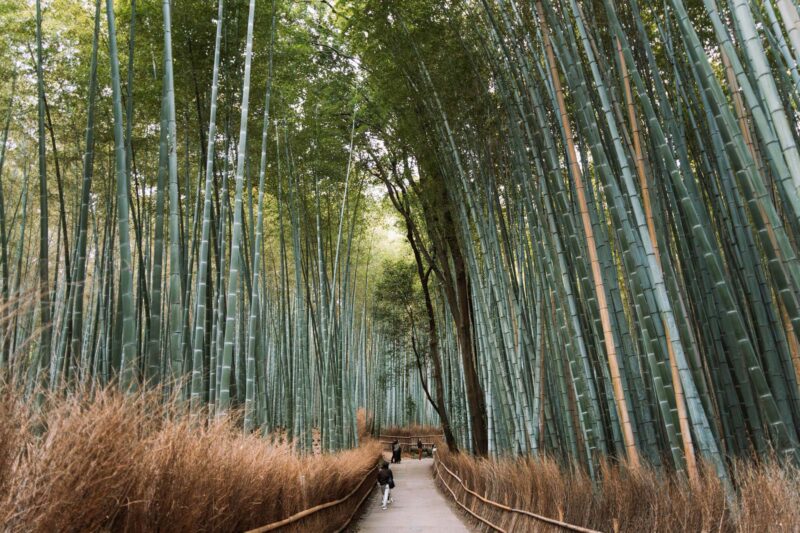
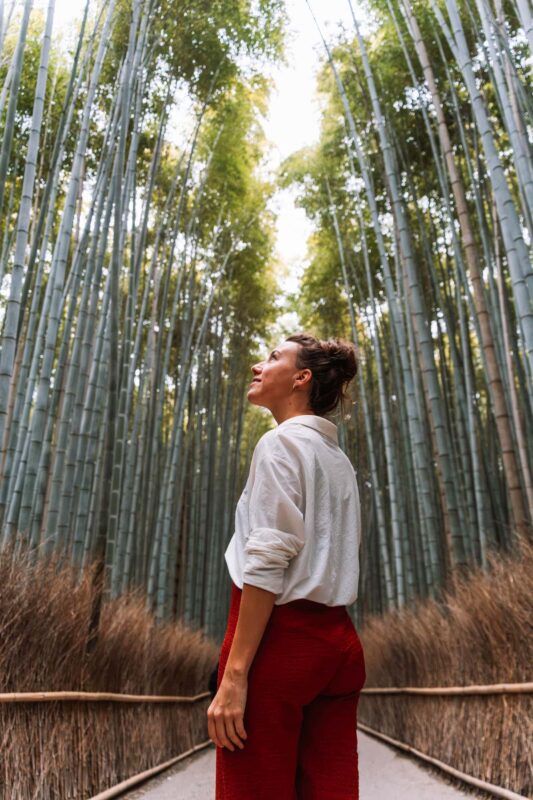
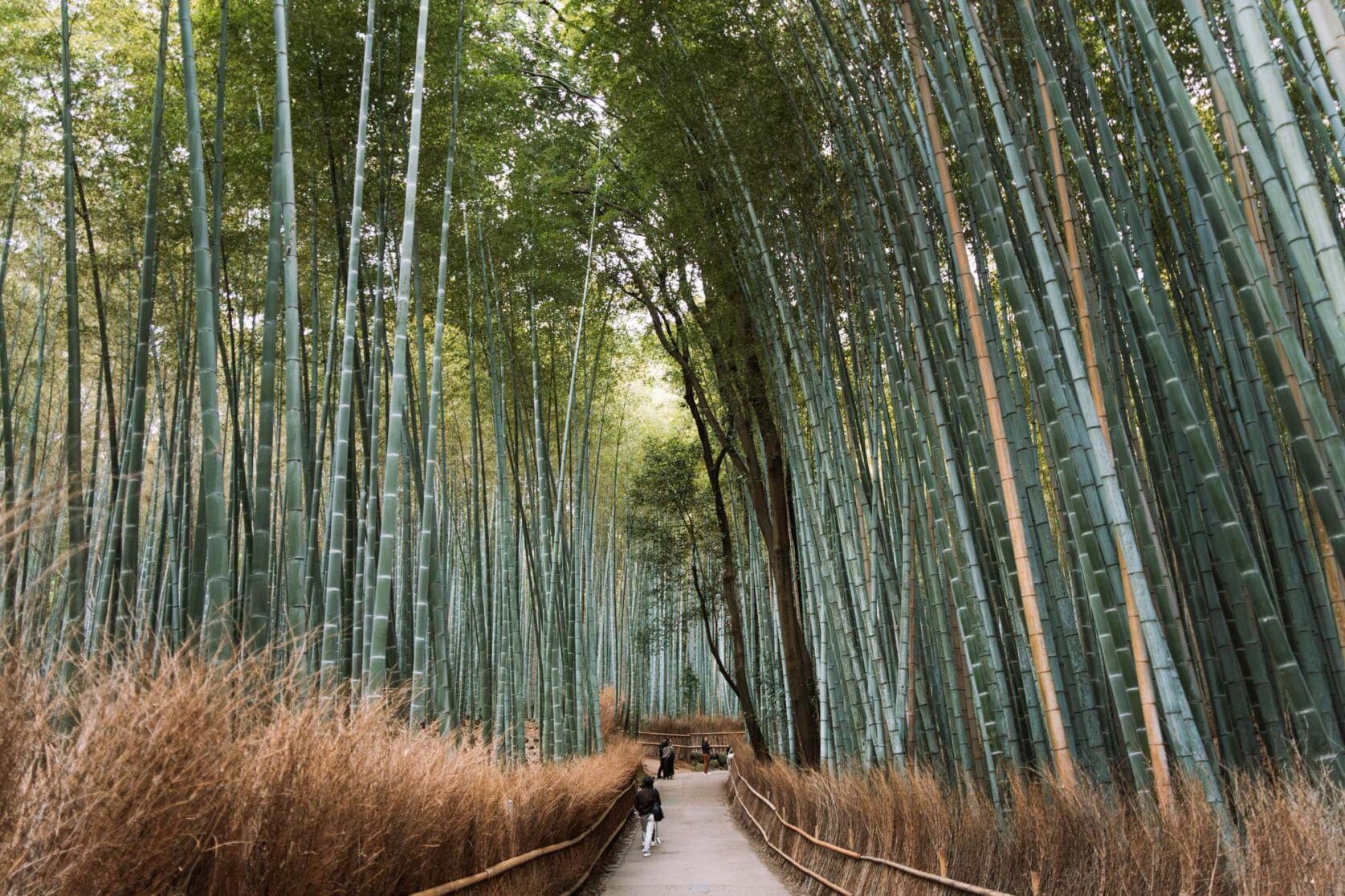
The Arashiyama Bamboo Forest is a unique place in Kyoto, where you walk along a path through a green tunnel of bamboo stalks reaching meters (feet) high. The path itself isn’t long; you can walk through it in about ten minutes. The forest is open 24 hours a day, and it often gets crowded quickly starting from 9:00 AM.

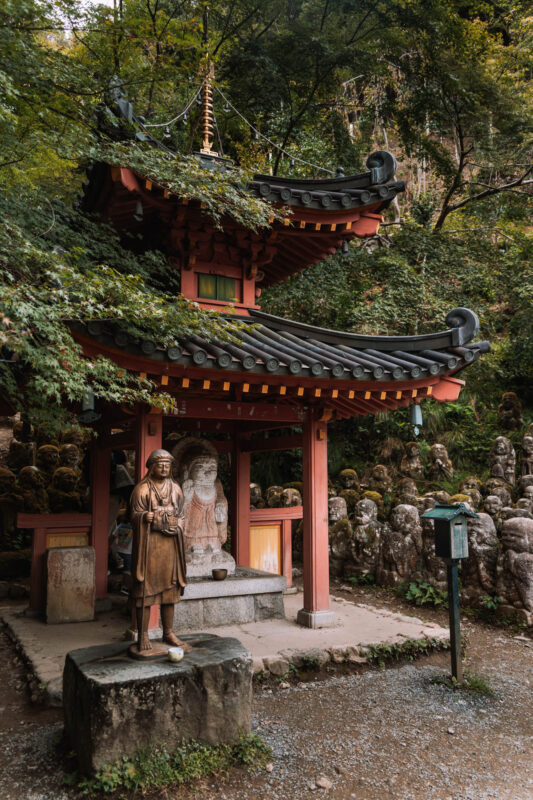
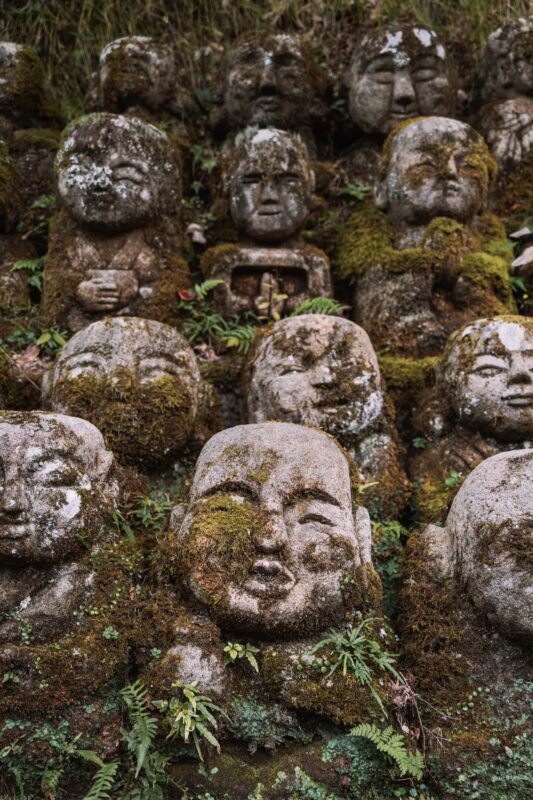
See the 1,200 faces of Otagi Nenbutsu-ji Temple
After the bamboo forest, walk over to Otagi Nenbutsu-ji Temple, one of Kyoto’s most unique temples. This temple is tucked away in the hills, slightly outside the busy center, and is therefore not yet crowded. As soon as you step through the gate, you enter a world with more than 1,200 stone statues; all of them small, smiling, and sometimes silly faces. No two statues are the same, and that’s exactly what makes this place so fun. Some statues seem to be singing, others are holding a camera or giggling together.
Note: Otagi Nenbutsu-ji Temple is closed on Wednesdays and Saturdays.


Take a trip to Nara
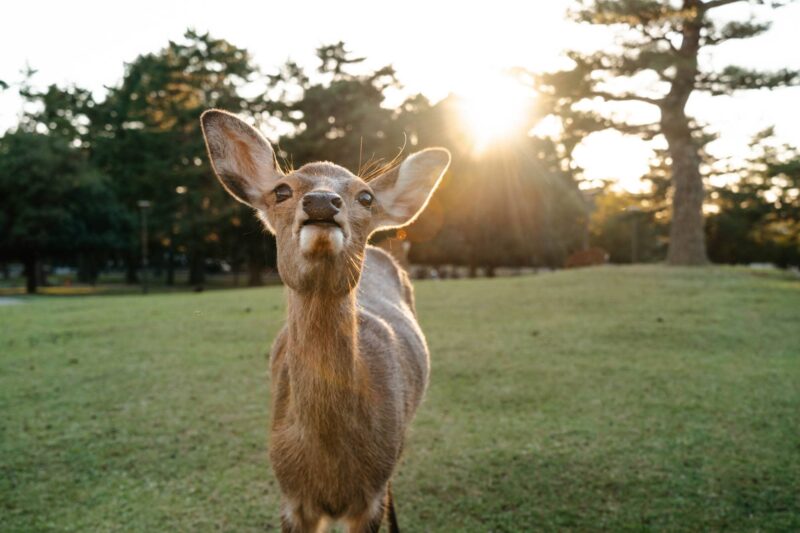
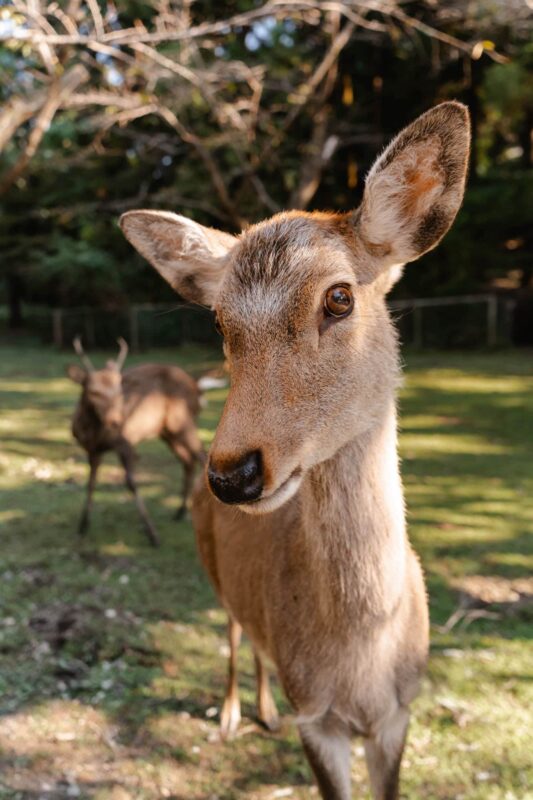
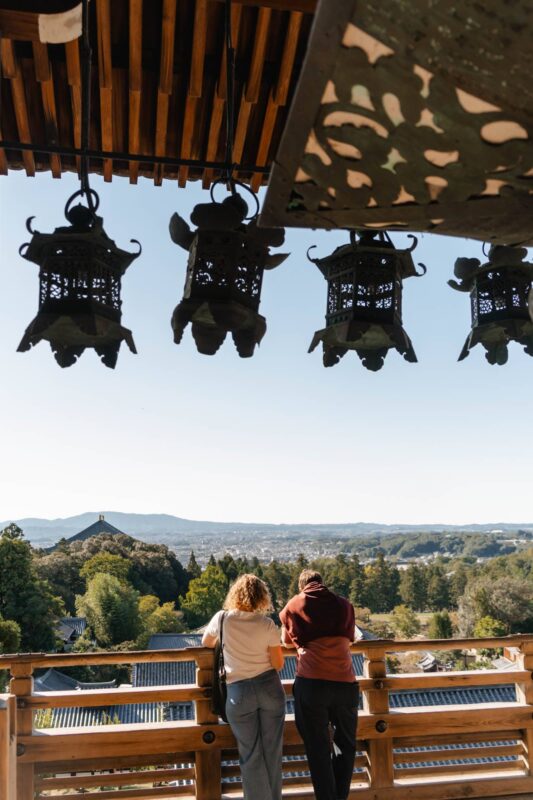
From Kyoto, you can easily take a trip to the lovely Nara. This city was once the capital of Japan, and you can see that in the many extraordinary temples still found there. But what makes Nara truly unique are the hundreds of tame deer that roam freely through the city and the park. While walking past centuries-old temples, you’ll encounter curious deer everywhere hoping for a deer cracker. Nara is compact enough to explore in one day. You can get there in about half an hour by train, which departs several times an hour from Kyoto. Read my tips for Nara to find out everything there is to do.
Tip: Consider combining Nara with a visit to Uji, known for its Matcha green tea and the Byodo-in Temple, located halfway between Kyoto and Nara.


Tips for good restaurants in Kyoto
Kyoto is bursting with great restaurants! I’ve tested a lot of them and share my favorites with you below. Expect to wait in line for a bit at popular restaurants during dinner time.
- Mercy Vegan Factor – Enjoy the delicious flavors of Japanese cuisine, completely plant-based. It’s located near Kyoto Station.
- Gion Kappa Restaurant – This is a cozy izakaya serving small dishes and sake. You’ll sit among locals and travelers. Especially lively in the evenings.
- Yudofu Sagano – This restaurant specializes in yudofu (tofu in warm broth), a vegetarian temple-style meal. Only open during the day.
- The Kind Breakfast – Start your day right with breakfast from The Kind Breakfast.
- Nishiki Warai – Delicious okonomiyaki (Japanese pancake) that you cook yourself at the table.
- Menbaka Fire Ramen – In this ramen restaurant, the broth is literally set on fire right in front of you. You can enjoy a great meal while watching the show.
- Arashiyama Yoshimura – Order delicious soba noodles while enjoying a view of the river. Perfect after visiting the bamboo forest.
- Cafe Bibliotic Hello! – This hip cafe is located in an old bookstore and serves great coffee and sandwiches in a relaxed atmosphere.
- Dragon Burger – A creative Japanese burger bar combining classic American comfort food with local ingredients, like wagyu beef and teriyaki sauce.
- Musashi Sushi – Conveyor belt sushi with fresh, local fish. Perfect for a casual lunch or dinner.


Where to stay in Kyoto?
The traditional Gion district is without a doubt the best home base in Kyoto. Thanks to its central location, you can walk to atmospheric streets, beautiful temples, and countless great restaurants. Everything that makes Kyoto so special is literally around the corner. While you can certainly stay in other neighborhoods, Gion feels like the perfect mix of charm, convenience, and authentic Japanese atmosphere. Below you can read about our three favorite places in or around this special district.
Our favorite places in Kyoto
One of the best places to stay in Kyoto is Piece Hostel Sanjo. The word “hostel” might put you off, but you haven’t seen this luxury design hostel yet! There’s a cool rooftop terrace with lounge sofas, the rooms are comfortable, and the delicious breakfast buffet is extensive. The hostel organizes many activities and social evenings like jazz nights, yoga classes, and tea ceremonies. The stylish Imu Hotel Kyoto is also a very nice place to stay in Kyoto. The hotel is stylishly decorated and has a very relaxed atmosphere. This is mainly created by the friendly staff but also by the cozy restaurant and bar downstairs. Perfect for a drink with other travelers at the end of the day. Have a larger budget? Take a look at Nohga Hotel Kiyomizu Kyoto. This is one of the best-rated hotels in Kyoto, and for good reason. Everything about this hotel is right: nice rooms, a beautiful rooftop terrace, a very good restaurant, and a bakery.
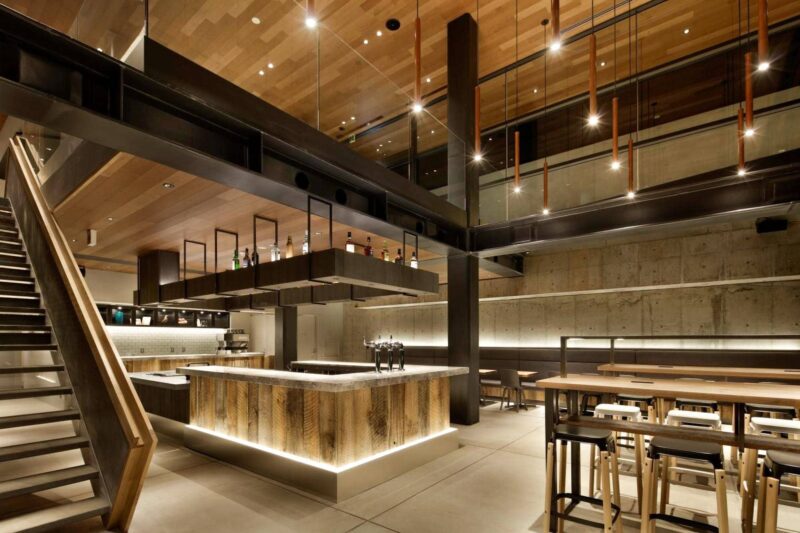  Piece Hostel Sanjo Piece Hostel Sanjo |
  Imu Hotel Kyoto Imu Hotel Kyoto |
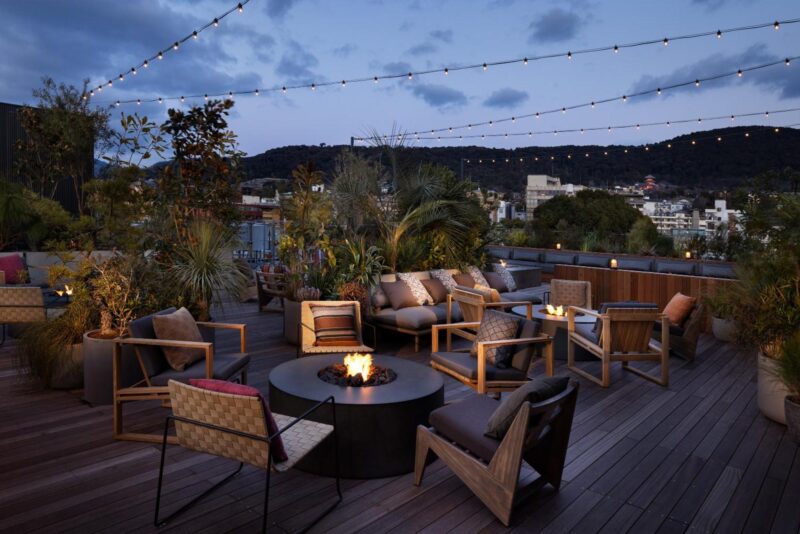 Nohga Hotel Kiyomizu Kyoto Nohga Hotel Kiyomizu Kyoto |