

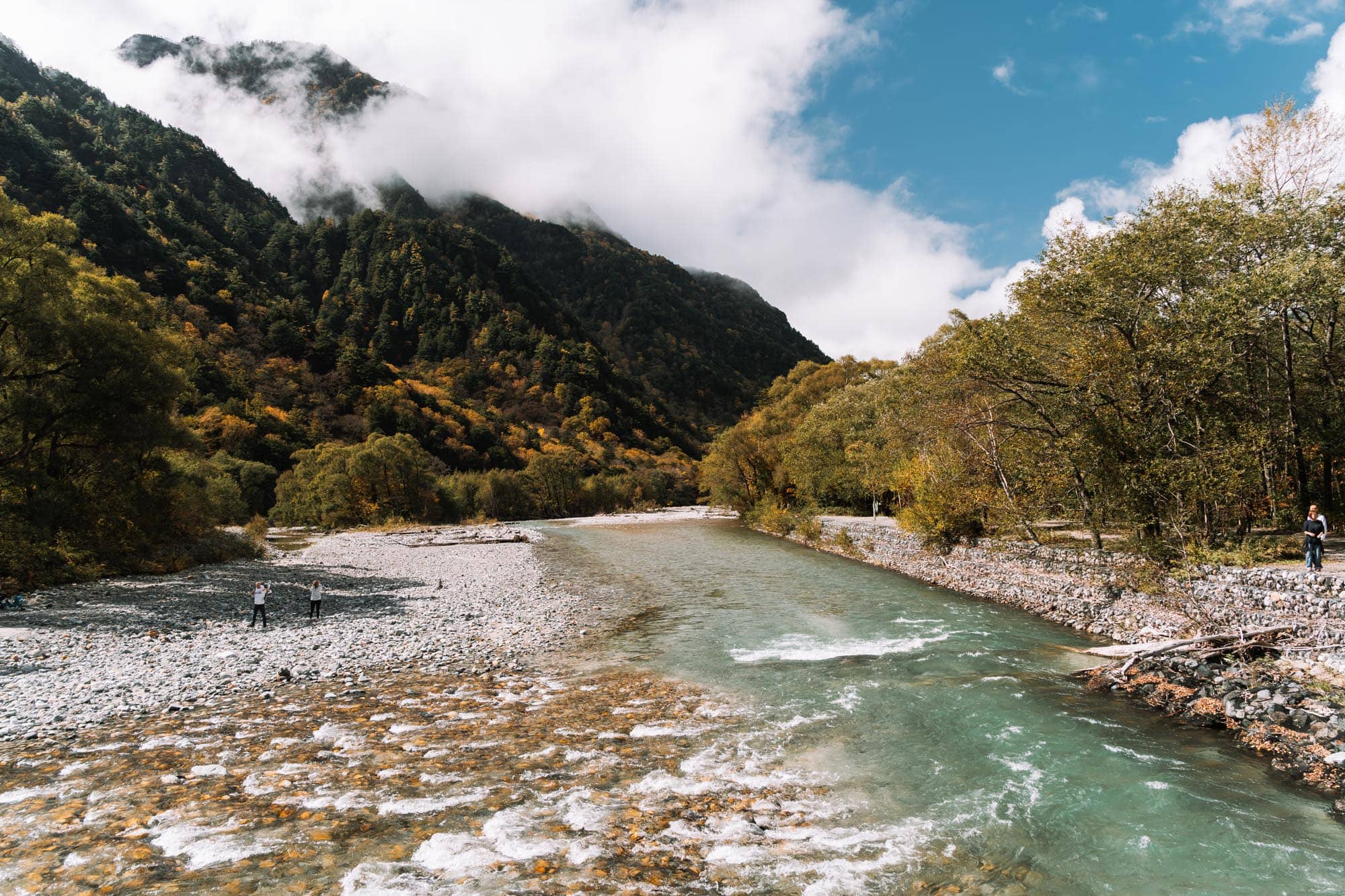
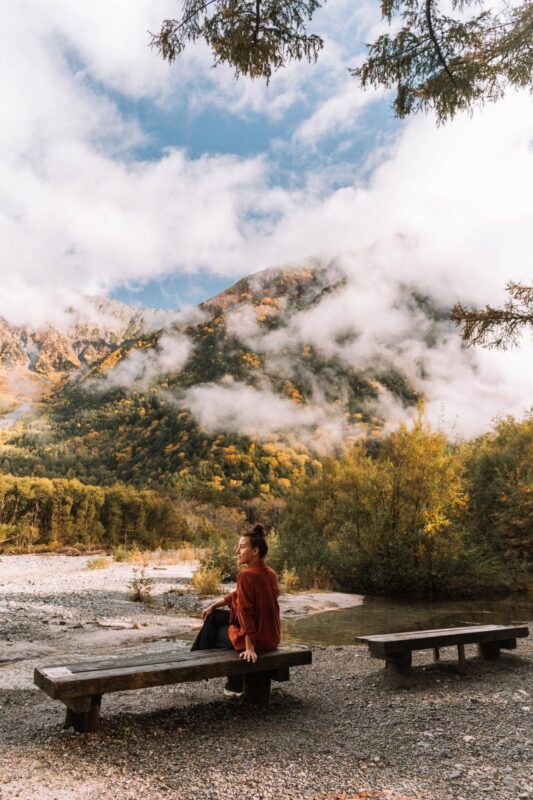
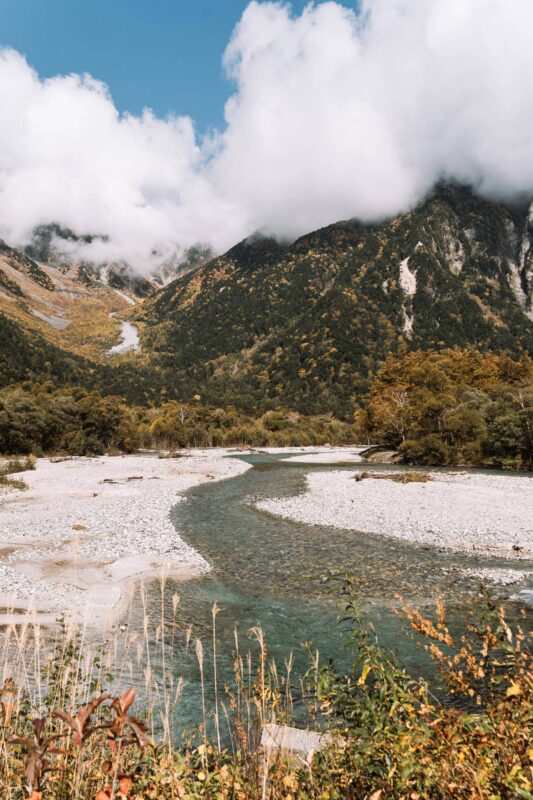
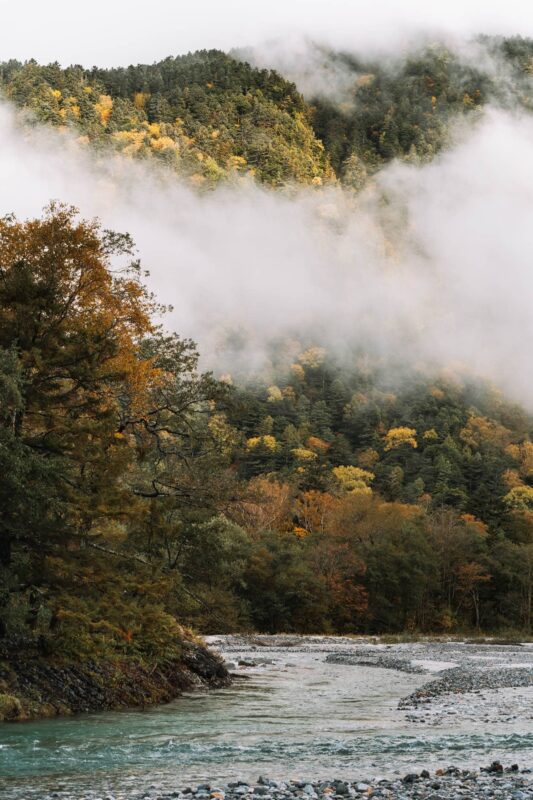
Kamikochi is a dream destination for nature lovers and hikers. Deeply tucked away in the Japanese Alps, you’ll discover an entirely different side of Japan here. No crowds, no neon lights, but silence, fresh mountain air, and an impressive landscape. The area is known for its rugged nature and the crystal-clear Azusa River that flows through the valley. Along the riverbanks runs a path perfect for a relaxing stroll: crossing suspension bridges over babbling turquoise water and through forests where clouds hang low between the trees. In Kamikochi, nature truly takes center stage. So lace up your hiking boots, breathe in the mountain air, and ring the “bear bell” every now and then. These are 10 tips for Kamikochi in Japan!


How Do You Travel to Kamikochi?
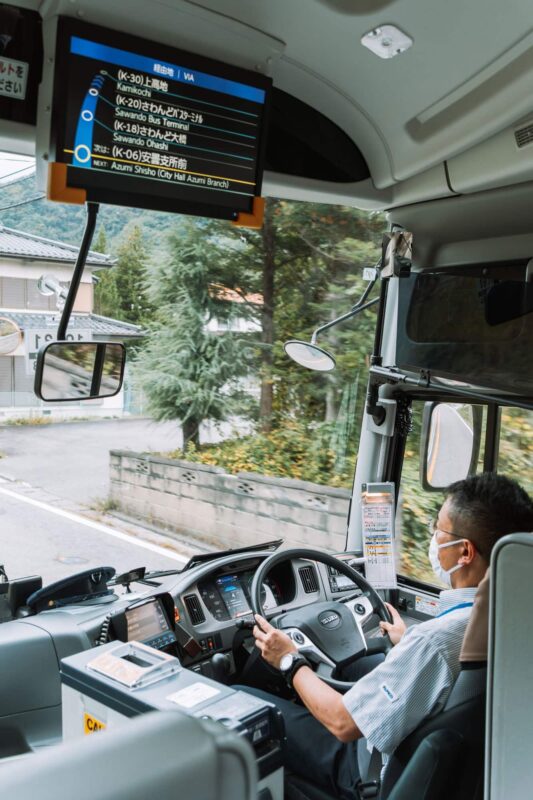
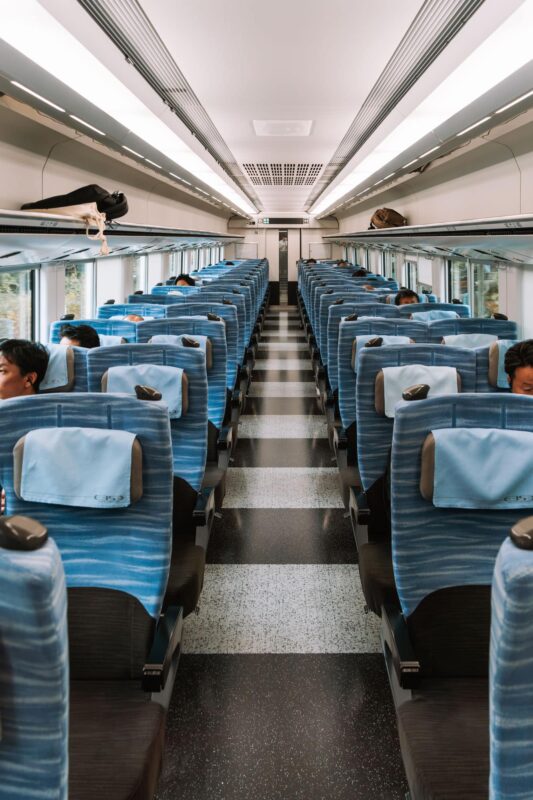
Because Kamikochi is part of a protected national park, private cars are not allowed. You can only travel to Kamikochi by taxi or bus. All buses stop at Kamikochi Bus Terminal. This is the central hub and the location where the hiking trails begin. Most travelers travel from Mt. Fuji or Takayama to Kamikochi. Below you can read how to travel to Kamikochi from these destinations.
From Mt. Fuji to Kamikochi
From Takayama to Kamikochi
Parking Your Rental Car Outside Kamikochi


The Best Time to Visit Kamikochi
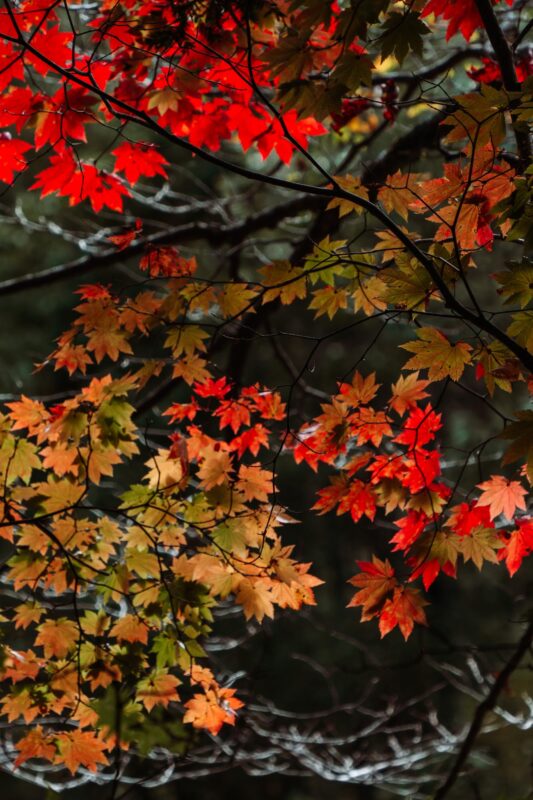
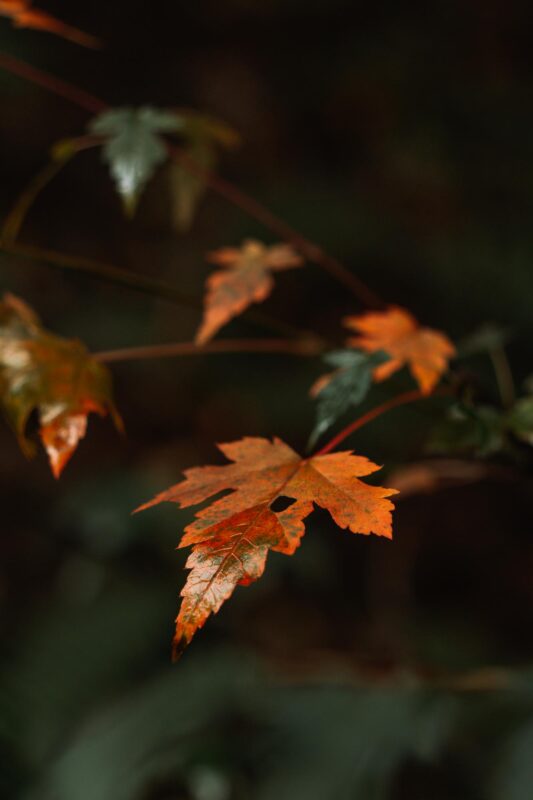
It is good to know that Kamikochi is only open from mid-April to mid-November, as the road is closed by snowfall during the winter months. May and June are beautiful months when everything is lush and green, but October is also a popular time when the entire valley transforms into warm autumn colors.
During the summer months of July and August, Kamikochi is at its liveliest. The days are long, temperatures are pleasant, and the mountains are often clearly visible against a blue sky. Keep in mind that this is also the busiest season. Particularly on weekends, the hiking trails and viewpoints can become quite crowded.


The Hiking Route Through Kamikochi
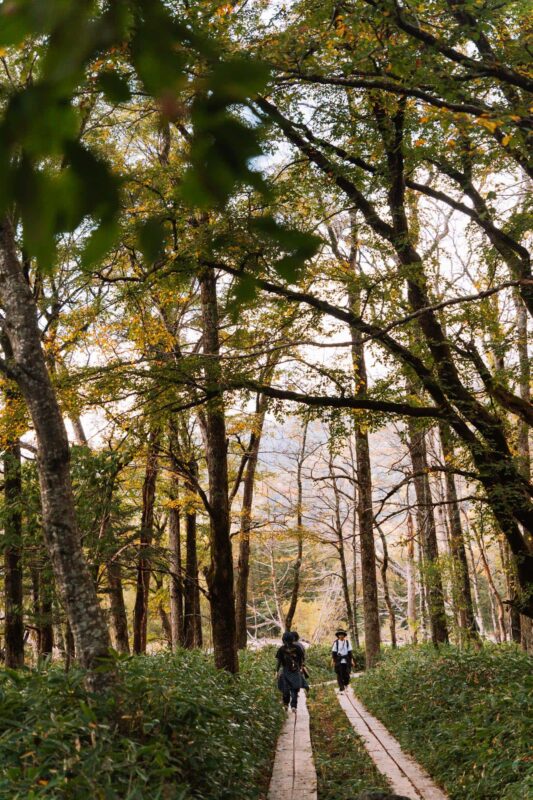
By far, most travelers visit Kamikochi for the beautiful hiking route along the Azusa River. The route runs through a valley, is easy to follow, and is well-marked with signs. The path takes you past all the sights of Kamikochi. The starting point is Kamikochi Bus Terminal. A path runs along both banks of the river, and there are several bridges along the way where you can cross the river. Kappa Bridge serves as the central point, and from here you can hike a loop to the left and a loop to the right. If you want a short walk, you can choose one of the two, but it is highly recommended to hike the full route.
- Left loop – 7 kilometers (4.3 miles) – 2 hours without stops: Via Taisho Ike Pond and back to Kappa Bridge along the opposite bank.
- Right loop – 6 kilometers (3.7 miles) – 1 hour and 45 minutes without stops: Toward Myōjin Pond, and back via the other side of the river.
Shorten the route slightly: Want to shorten the route without missing anything? Get off one stop earlier at Taisho Pond and start your walk there. In the morning, it is still nice and quiet here, and this shortens the entire route by about 25%. From here, you can walk the hike in the shape of a 9 instead of an 8. This way you still see all the beautiful spots but have more time to enjoy them.


The Sights of Kamikochi
Below are my tips for visiting Kamikochi. When you follow the hiking route, you will automatically pass all these places. The locations are not listed in order because you can walk the loop in different directions.
Kappa Bridge
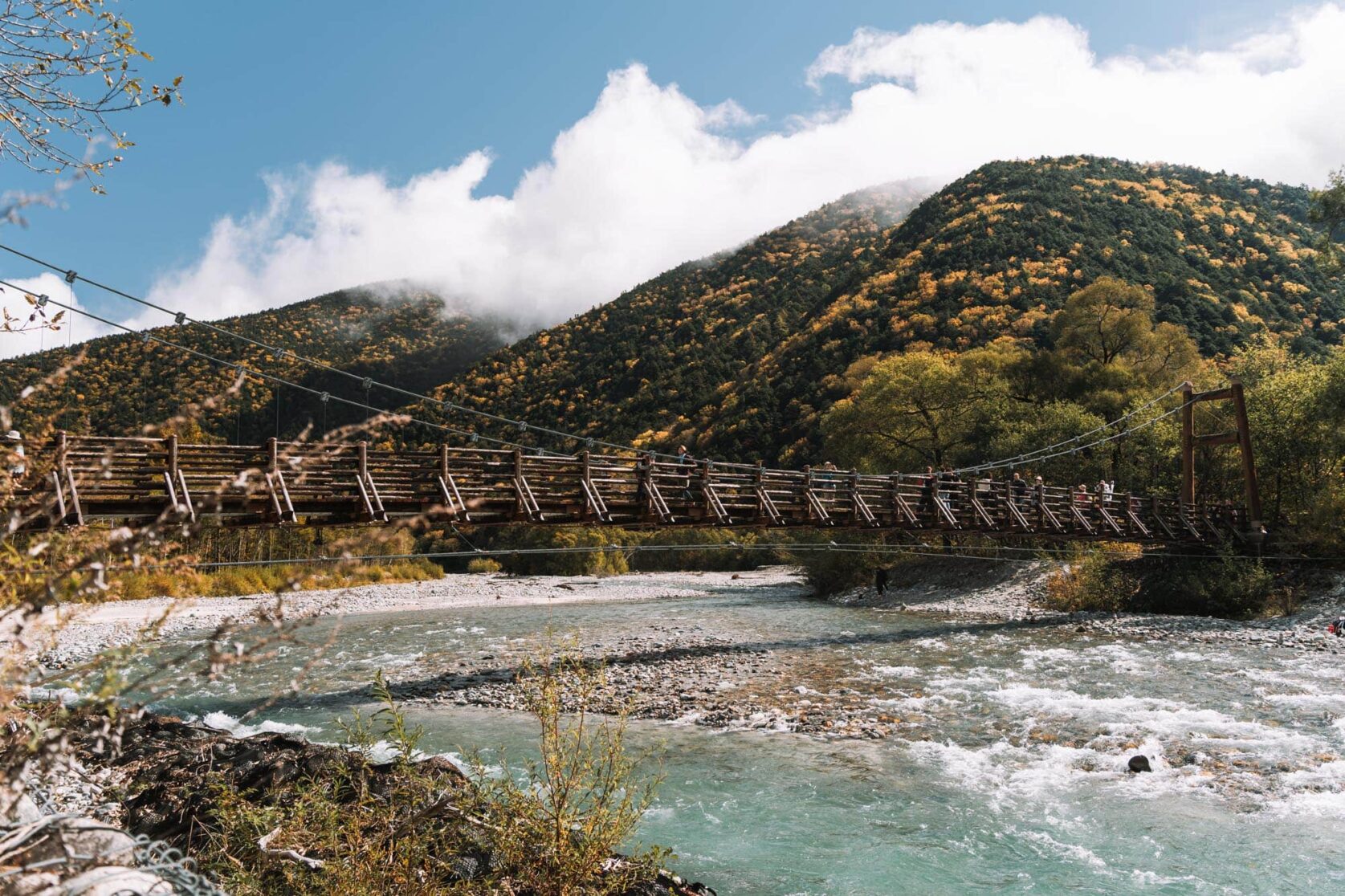
Kappa Bridge is a wooden suspension bridge located next to the Kamikochi Bus Terminal and is the central spot of Kamikochi. The bridge is named after the mythical Japanese water spirit, the kappa, and hangs over the Azusa River with a stunning view of the surrounding mountain peaks. Around the bridge, you’ll find several cafes and places to sit and enjoy the view. Since the shuttle buses have their final stop here, many people start their Kamikochi hike at this point.
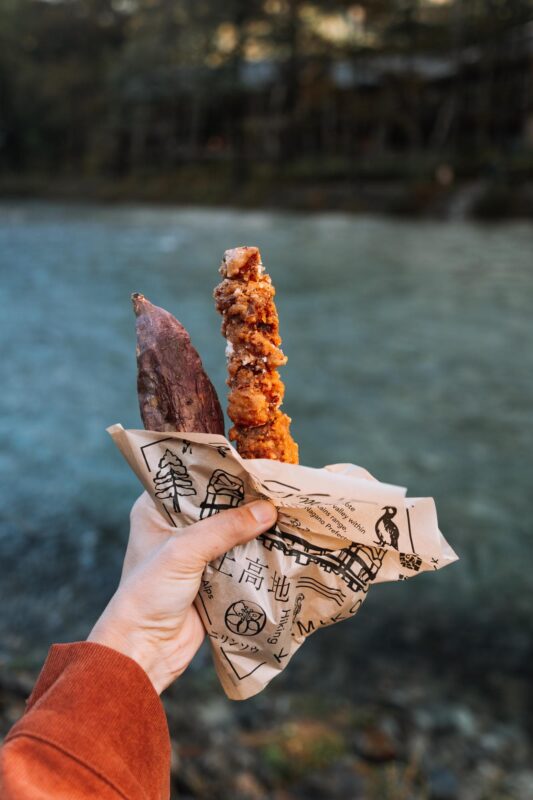
Tip: From 8:00 AM, the shops around the bridge open, and you can stock up on snacks for the road, such as chicken skewers, croquettes, or an oven-baked sweet potato.


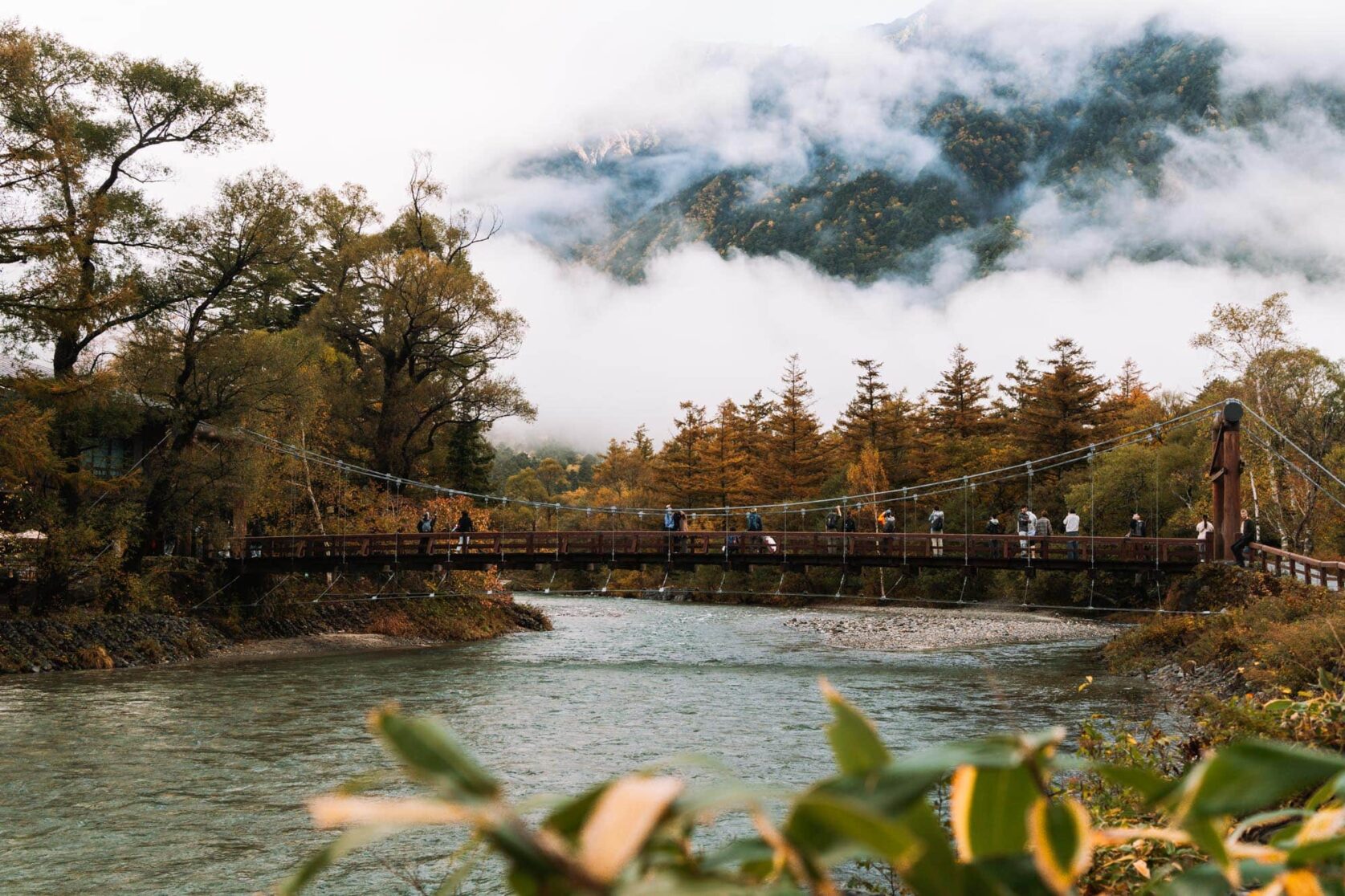

Taisho Ike Pond
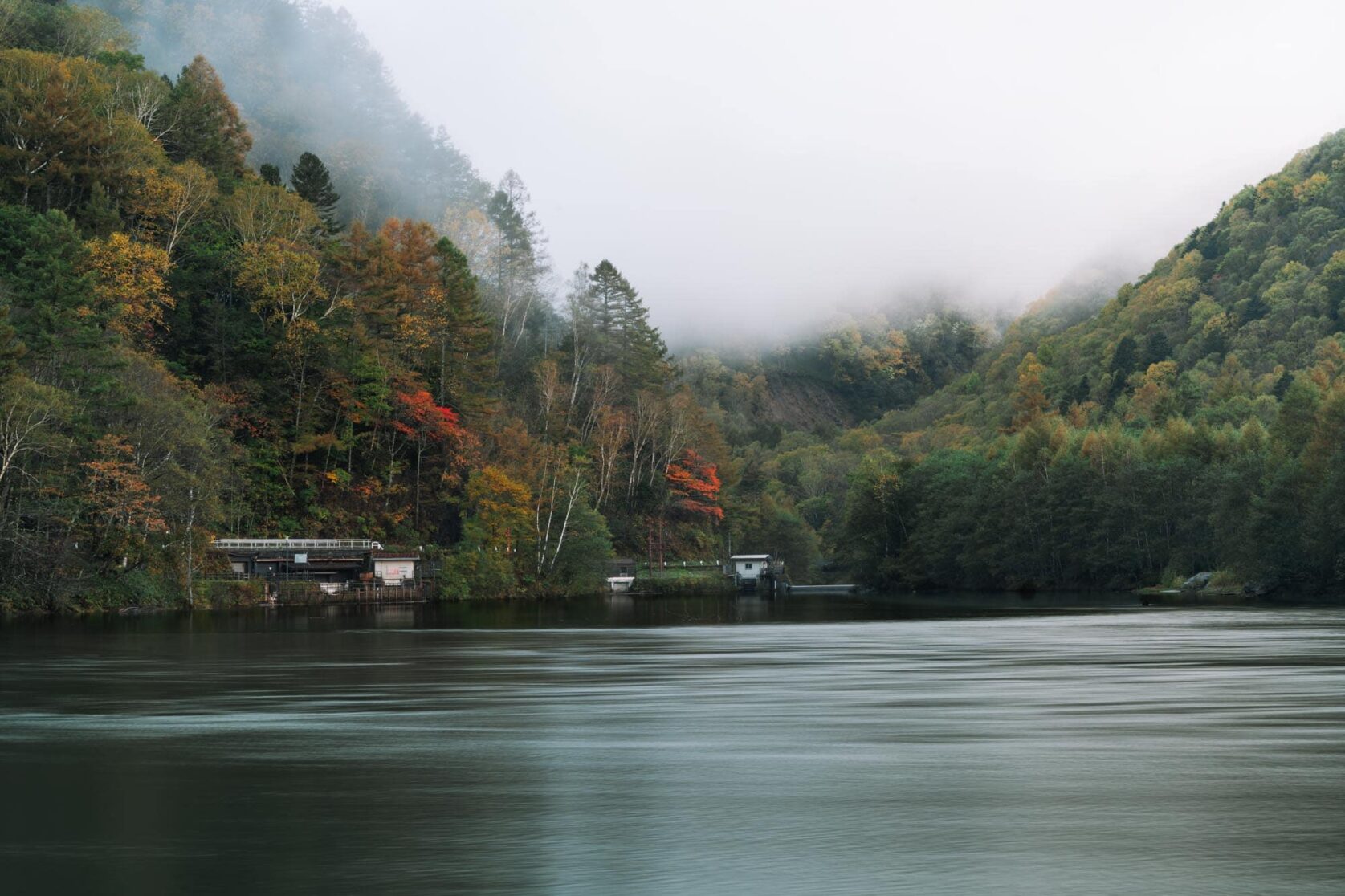
On the south side of the valley, the river flows toward Taisho Ike Pond. This lake was formed after a volcanic eruption in 1915 and is characterized by dead tree trunks that still rise straight out of the water. A mysterious atmosphere hangs here, especially in the early morning. On clear days, Mount Yakedake reflects perfectly in the still water. If you are making a circular walk from Kappa Bridge, you can cross via Taisho Bridge and walk back along the opposite bank.
Myōjin First Pond
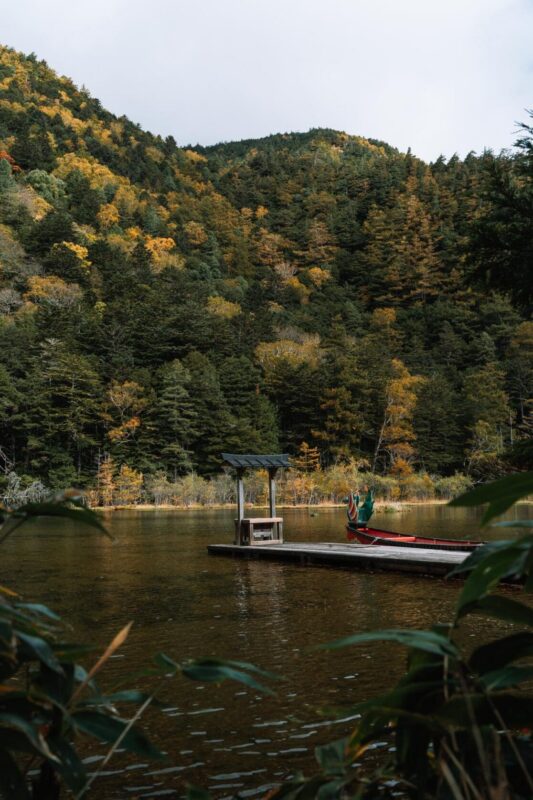
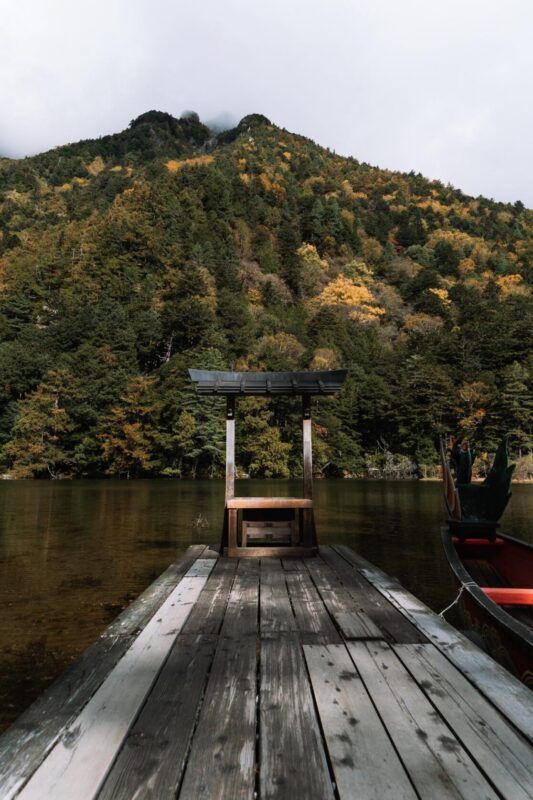
At the other end of the river, slightly further upstream from Kappa Bridge, you arrive at Myōjin Pond. Here lies Hotaka Shrine, a Shinto shrine connected to the mountain deities of the Japanese Alps. The wooden pier running over the water, with the shrine at the end, makes this a special, almost silent place in the middle of nature. A mystical vibe prevails, especially when mist hangs over the lake in the early morning. Every year on October 8th, the Hotaka-jinja Festival (Okumiya Festival) is held here. During this ceremony, priest boats with offerings sail across the lake, a ritual in honor of the mountain gods.
Good to know: You pay a small fee for access to the lake, as it is the private property of the temple.


Myōjin Second Pond
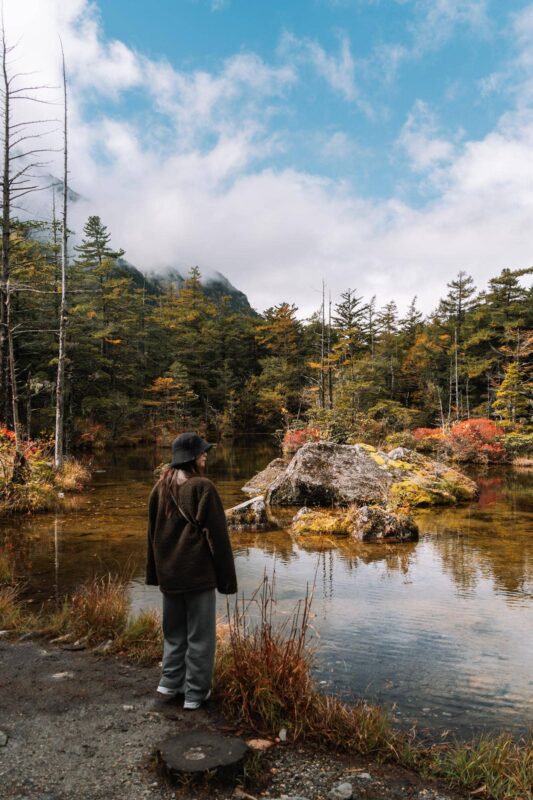
Myōjin Pond consists of two different lakes: Myōjin First Pond & Myōjin Second Pond. Your entrance ticket allows you to visit both. Myōjin Second Pond features a completely different landscape. The lake is filled with mossy rocks, creating many small islands. Especially in autumn, when the trees turn warm shades, the scene looks like it came straight out of a Bob Ross painting.
Walk back along the other side of the river to Kappa Bridge to complete your hike.


Myōjin Bridge
Just before you reach Myōjin Pond, you cross the river via the wobbly wooden Myōjin Bridge. The bridge is somewhat reminiscent of the central Kappa Bridge but has its own charm. It is quieter here, and you have a view of nothing but nature. Because it is more peaceful, you can truly pause to enjoy the view over the river and the mountains.
Spot the Japanese Macaque in Kamikochi
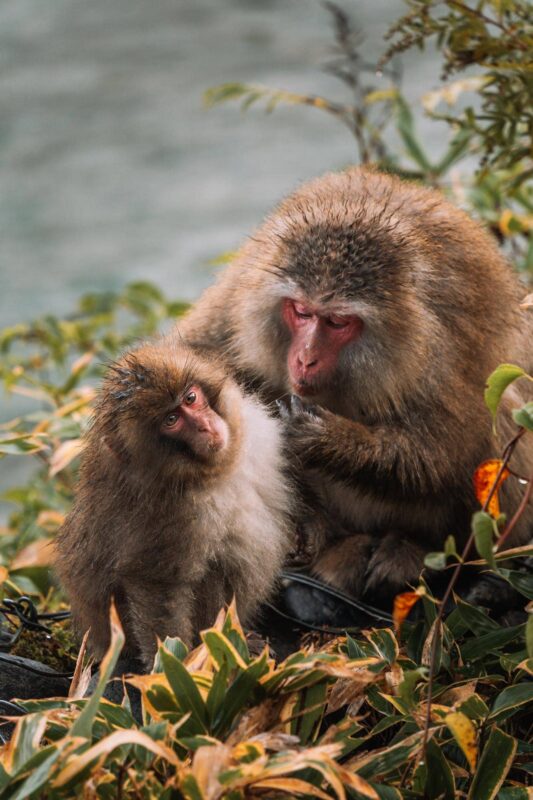
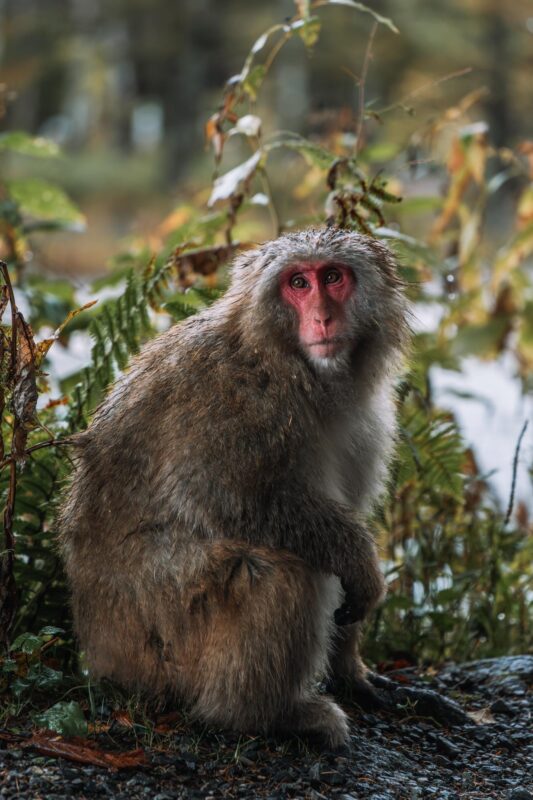
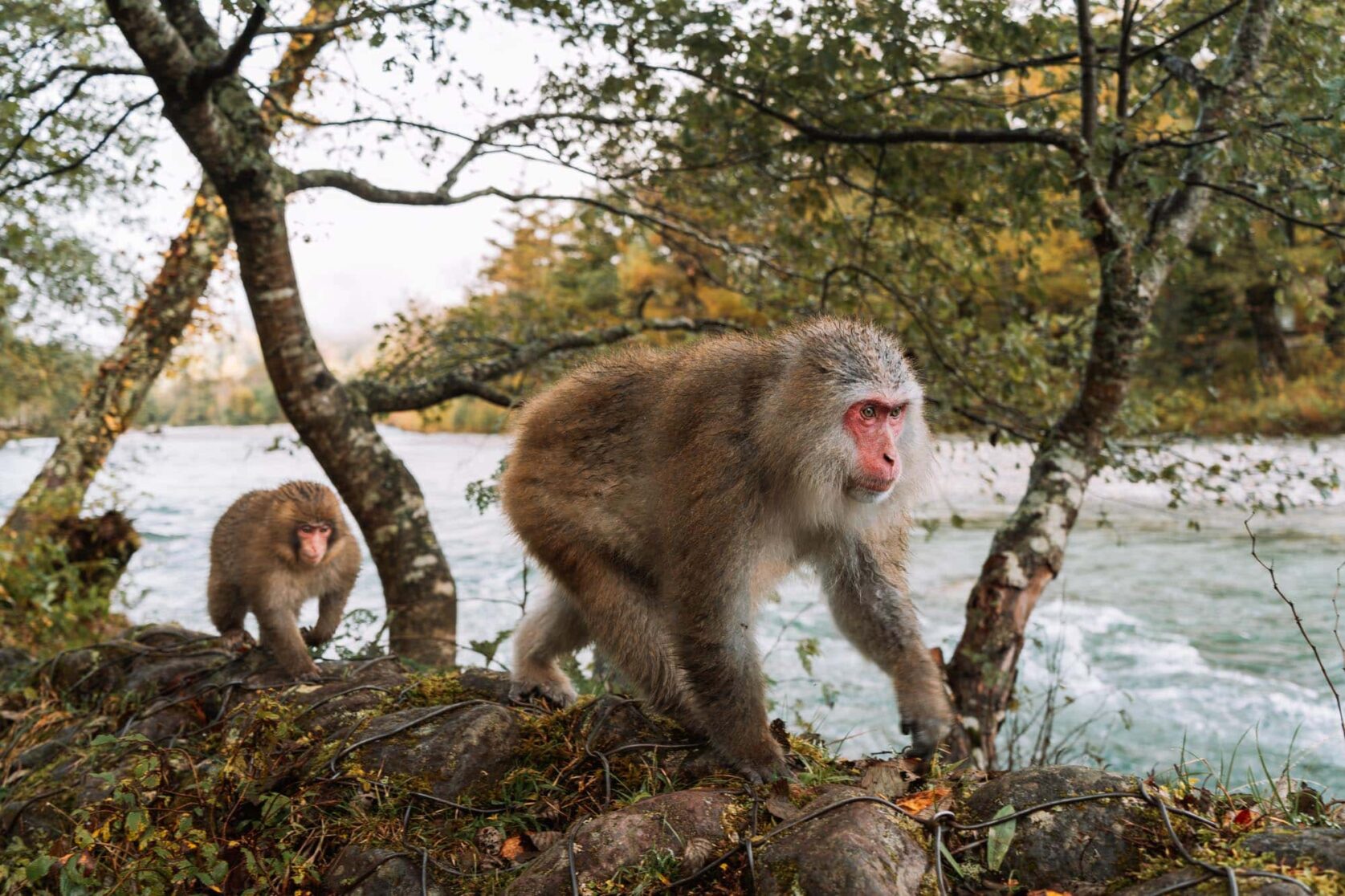
Japanese macaques, better known as snow monkeys, are some of the most charming animals found in the Kamikochi area. These monkeys live in the forests along the riverbanks and in the mountains, and are perfectly adapted to the rugged climate of the Japanese Alps. If you’re lucky, you’ll encounter them during your walk. The best chance to spot them is in the early morning and late afternoon when the park is quieter. They live in groups and can be recognized by their gray-brown fur and distinctive red faces. While they look cute, it is important to keep your distance and not feed them. The Japanese macaque is curious and smart but remains a wild animal.
Important: Attach a Bear Bell to Your Bag
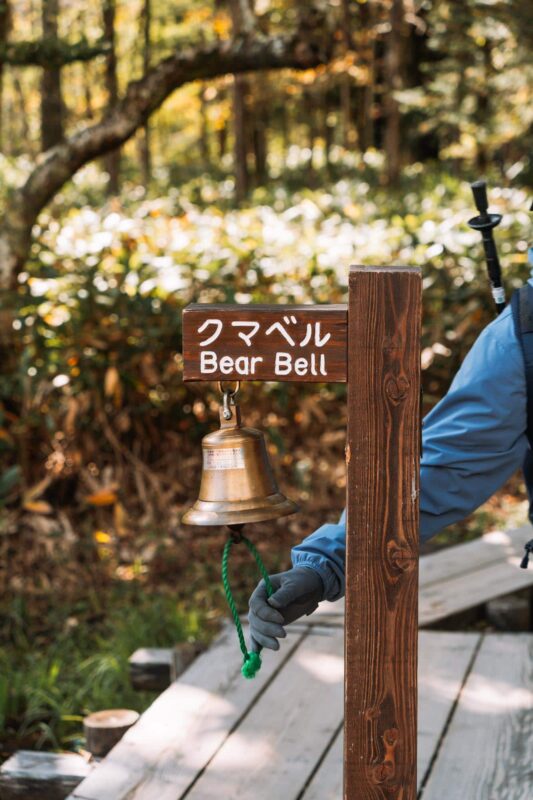
Kamikochi is a habitat for the black bear. The chance that you actually encounter one is very small, but it is good to be prepared. Are you going for a walk early in the morning? Or are you heading into the higher mountain areas? Then attach a bear bell to your bag. These are available at your accommodation or at the shops. Ring your bell occasionally while walking and also use the larger bear bells located along the route. This lets the bears know you are there so they stay away.


Where to Stay in Kamikochi?
In Kamikochi itself, there are almost no accommodations, which is why most travelers stay in one of the villages outside the park. I personally stayed in Hirayu Onsen, a small village with natural hot springs about a half-hour bus ride away. Below I suggest three fine accommodations in the village of Hirayu Onsen.
Tip: For all accommodations in this area, prices are somewhat higher than in the rest of Japan. This is because the season is short (mid-April to mid-November) and many people want to visit Kamikochi during this brief window. It is therefore highly recommended to book your stay early, as the affordable options fill up first.
Our Favorite Spots in Hirayu Onsen (Base for Kamikochi)
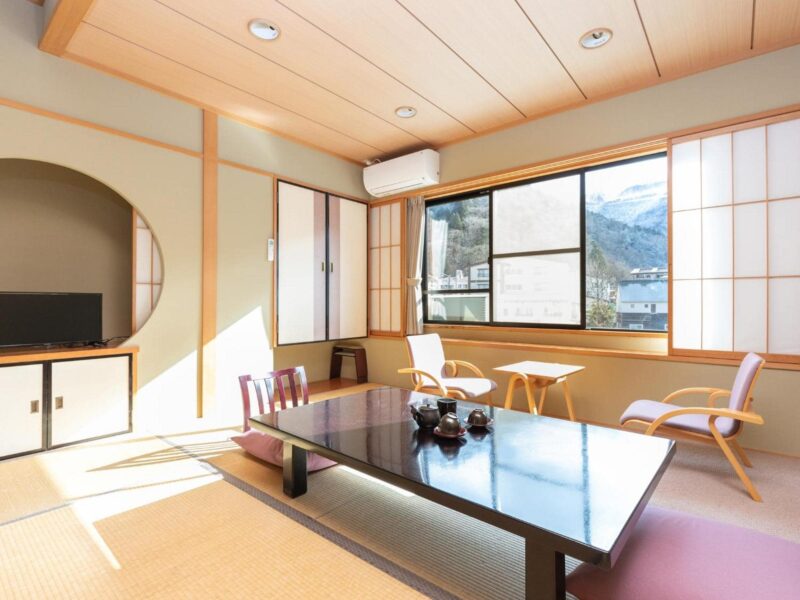
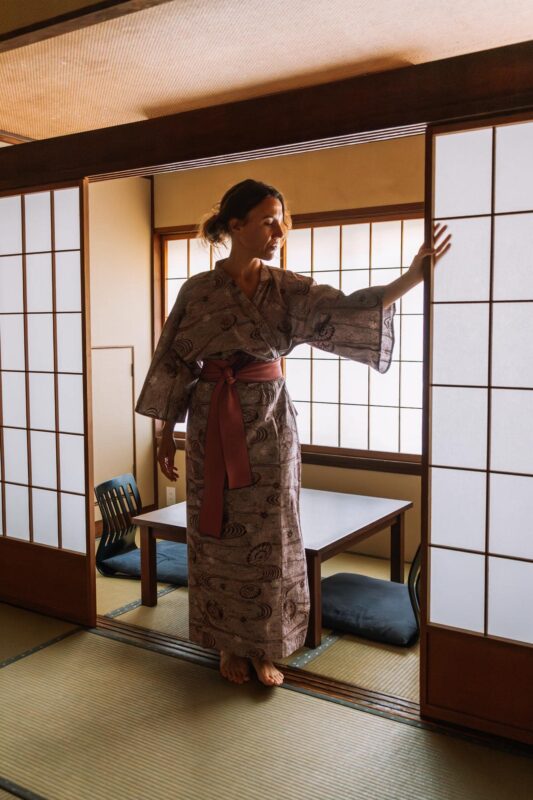
In the village of Hirayu Onsen, you will find several beautiful traditional ryokan hotels. If you are looking for nice accommodation at a relatively competitive price, then Tabist Kazeyuki is highly recommended. This hotel is entirely in Japanese style and offers a beautiful view of the mountains. One of the biggest perks is the onsen with a total of three different baths, including an outdoor bath that is shielded so you can relax in peace and complete privacy. A similar but slightly more luxurious option is the traditional hotel Hirayukan where you can fully unwind in the wonderful outdoor pool with hot spring water. You’ll stay in a comfortable room with air conditioning, a small refrigerator, and a private bathroom. If your budget allows, Miyama Ouan Kyoritsu Resort is a fantastic place to stay. Here, everything is taken care of down to the last detail, and the friendly staff ensures you have everything you need. The rooms are spacious and the outdoor baths are stunning. Additionally, you can enjoy a private hot tub with mountain views here. You don’t even have to leave for delicious authentic Japanese food, as the resort’s restaurant serves excellent dishes.
  Tabist Kazeyuki Tabist Kazeyuki |
  Hirayukan Hirayukan |
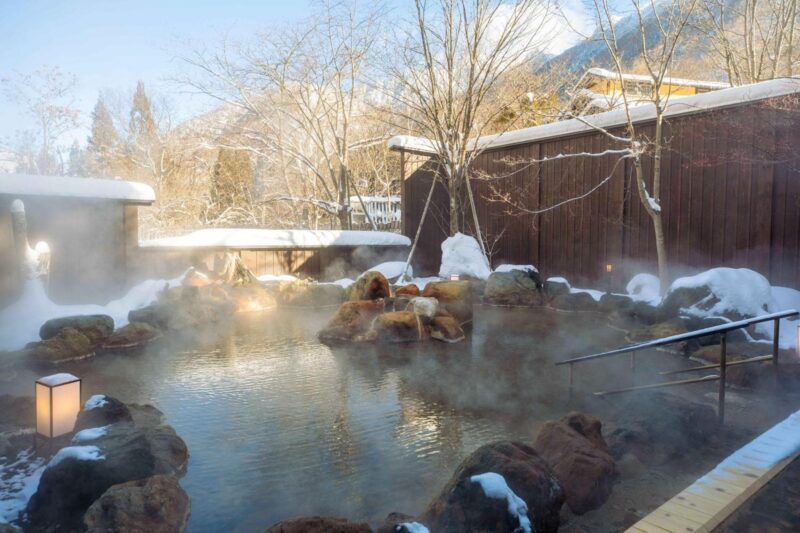  Miyama Ouan Kyoritsu Resort Miyama Ouan Kyoritsu Resort |
“`