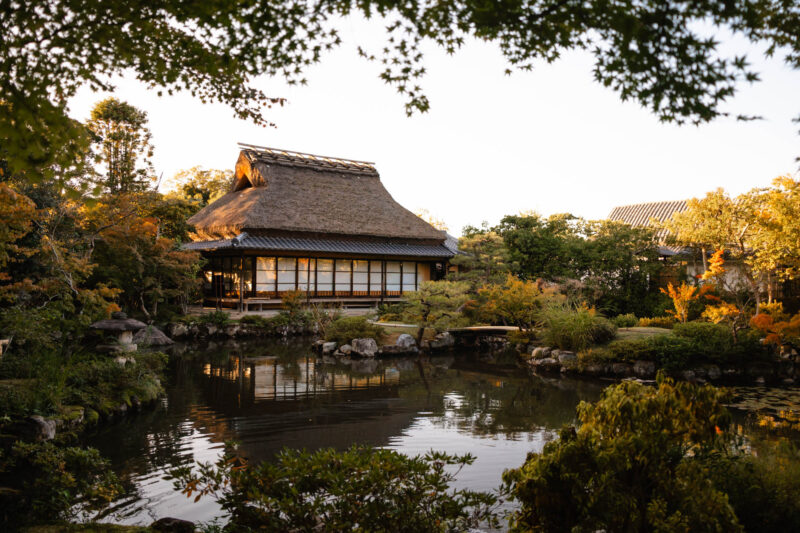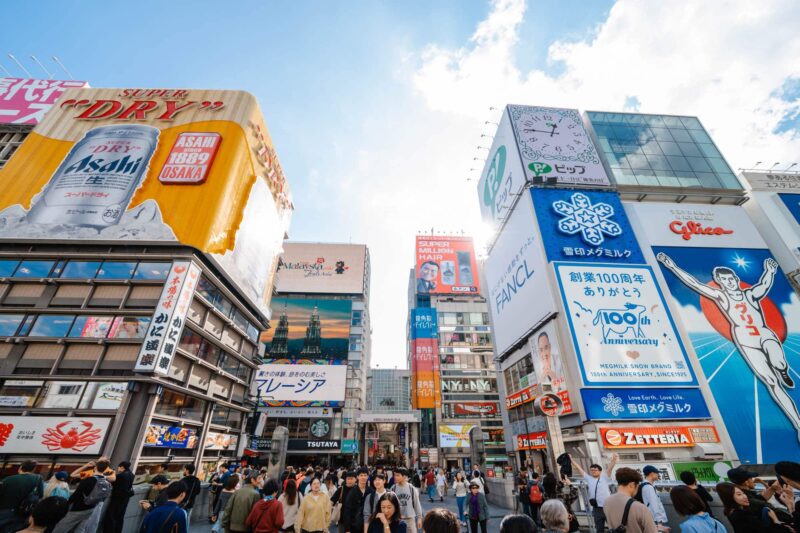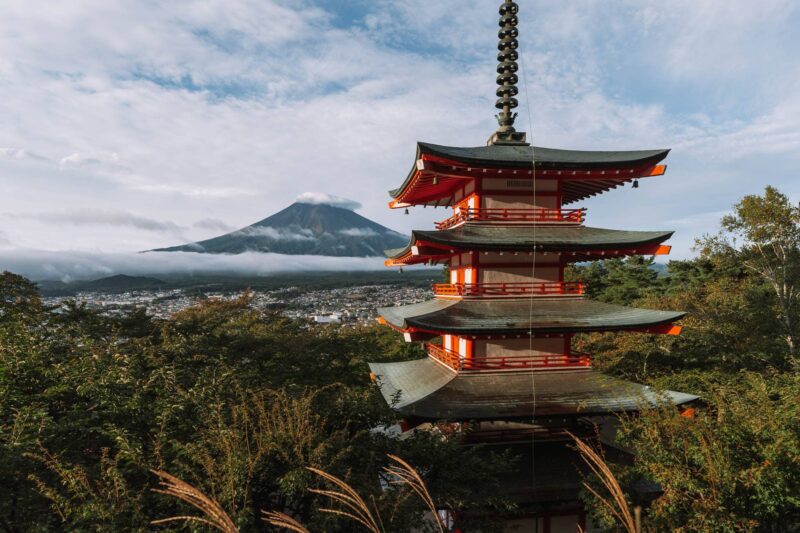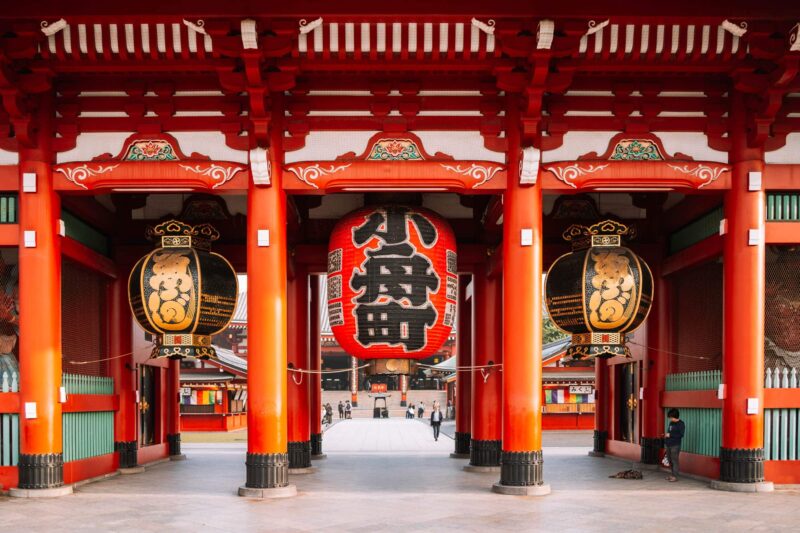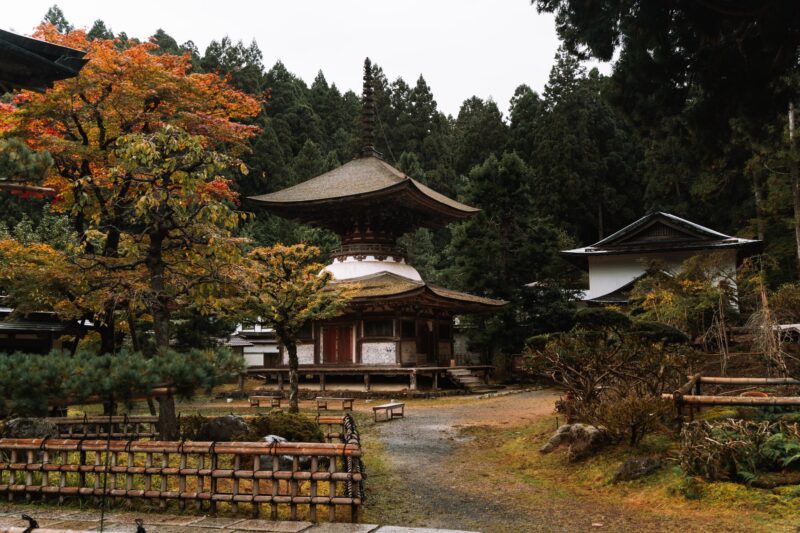


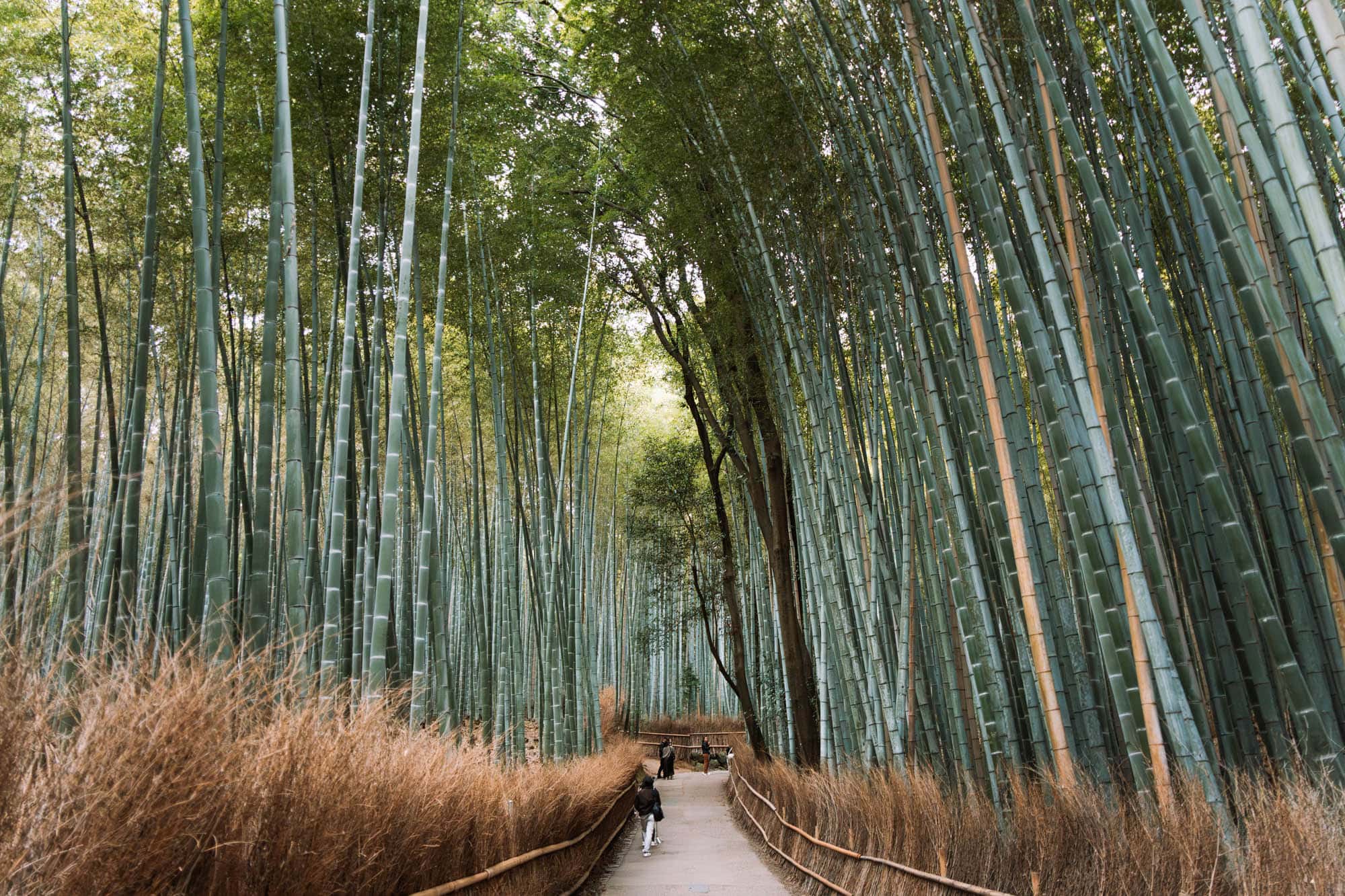
Traveling in Japan is a truly unforgettable experience. This country is completely different from any other country in Asia, and that’s what makes traveling here so special. Wherever you go, you notice how important respect, calm, and harmony are in everyday life. You see it in the small things: people are considerate of one another, streets and train stations are remarkably clean, everything runs smoothly, and even in the busiest crowds there’s a sense of calm. As a traveler, it helps to know a few Japanese customs and social norms so you can easily go with the flow of the country. In this article, I share 16 practical tips and useful facts for traveling in Japan. That way, you’ll be well prepared and get the most out of your trip!
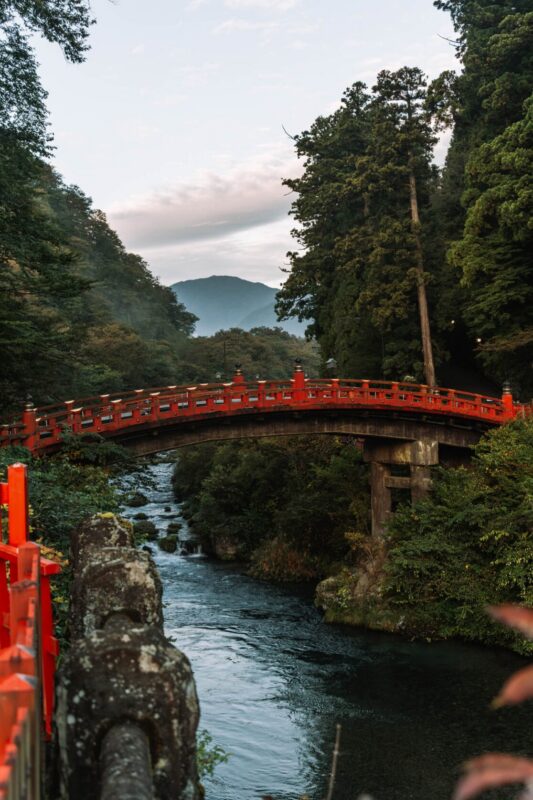


#1 Collect stamps and goshuins – calligraphic souvenirs from Japan
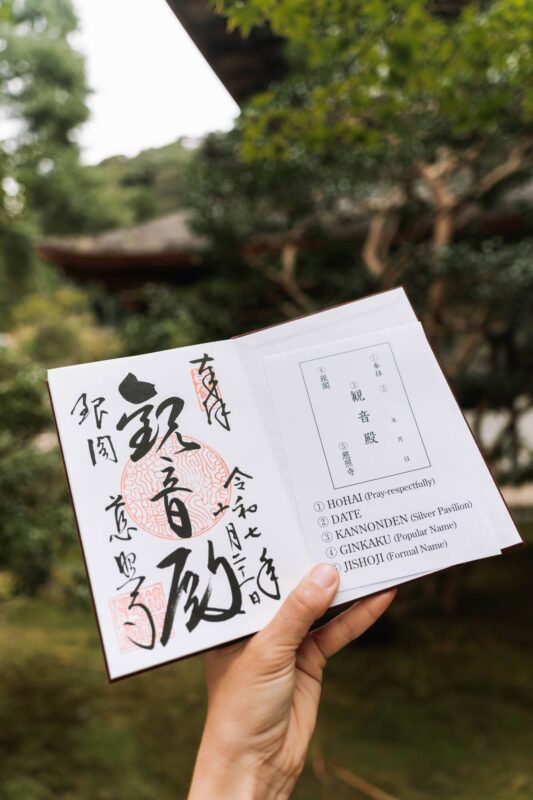
A goshuin is a calligraphic stamp you can receive for a small fee at temples and shrines throughout Japan. It’s a hand-written seal placed in a special book called a goshuin-chō. A monk or priest uses a brush to write the name of the temple, the date of your visit, and often a short blessing in elegant Japanese calligraphy, accompanied by red stamps.
For travelers, collecting goshuins is a wonderful way to document your journey. Each temple has its own unique design, so your book gradually transforms into a one-of-a-kind travel diary full of meaningful places.
Tip: You can bring your own notebook, but not all paper is suitable for this purpose. It’s customary to use an official goshuin booklet, specially made for these spiritual keepsakes. You can buy one at major temples or souvenir shops.


#2 Onsen – traditional Japanese hot spring baths
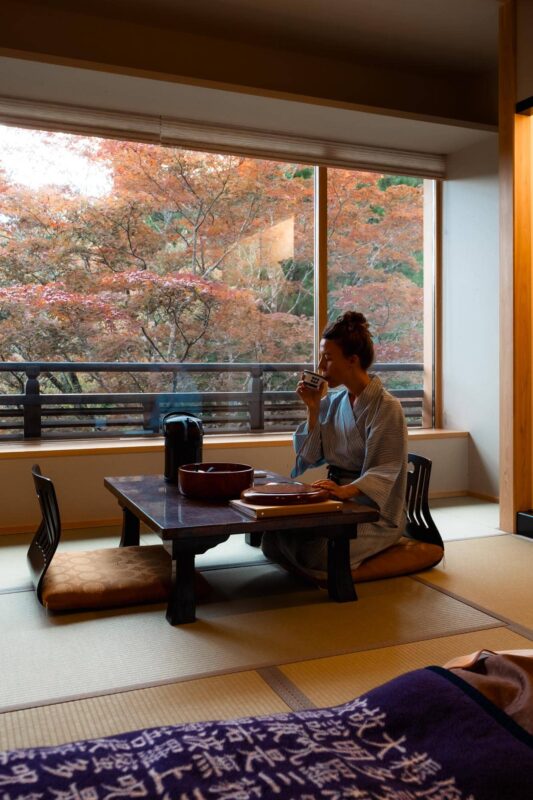
An onsen is a traditional Japanese bath fed by naturally hot spring water rich in minerals. Bathing is an important part of daily life in Japan and represents relaxation, purification, and unwinding. In many ryokans (traditional Japanese accommodations), the onsen is where you bathe. Often there’s no private shower or separate bathroom, which can take some getting used to for Western travelers. But it’s a truly special experience that’s well worth trying. Bathing follows a set of rules: men and women bathe separately, swimwear is not allowed, and towels must stay out of the water. First, you thoroughly wash yourself on a stool using soap and shampoo, and only then do you enter the hot communal bath clean. If you see terms like public bath, shared bathroom, or onsen when booking, you’ll have a shared bathing area. Those who prefer more privacy can reserve a private onsen at many ryokans.
Good to know: People with visible tattoos are often not welcome at onsen. This stems from the historical association with the yakuza (the Japanese mob), as tattoos were long seen as a sign of criminal activity. That said, more and more tattoo-friendly onsen are popping up.



#3 Greet and thank Japanese people in their own language
Politeness and respect are deeply ingrained in Japanese culture. A simple greeting or thank-you in Japanese is therefore greatly appreciated by locals. Below you’ll find a few handy words and phrases you can use every day during your trip.
Hello / Good afternoon = Konnichiwa (pronunciation: kon-nee-chee-wah)
Thank you = Arigatou, but it’s better to use the polite form: Arigatou gozaimasu (pronunciation: ah-ree-gah-toh goh-zah-ee-mahs)
Sorry / Excuse me = Sumimasen (pronunciation: soo-mee-mah-sen). You also use this to politely get someone’s attention.
Tip: Translation apps are really handy when traveling through Japan. Google Translate works great for quick translations, and with ChatGPT you can have sentences translated in a polite Japanese tone.


#4 Japanese culture
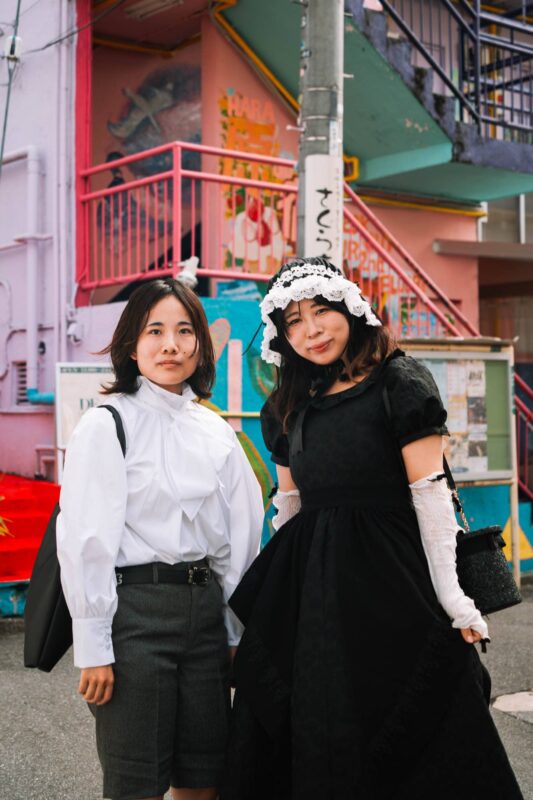
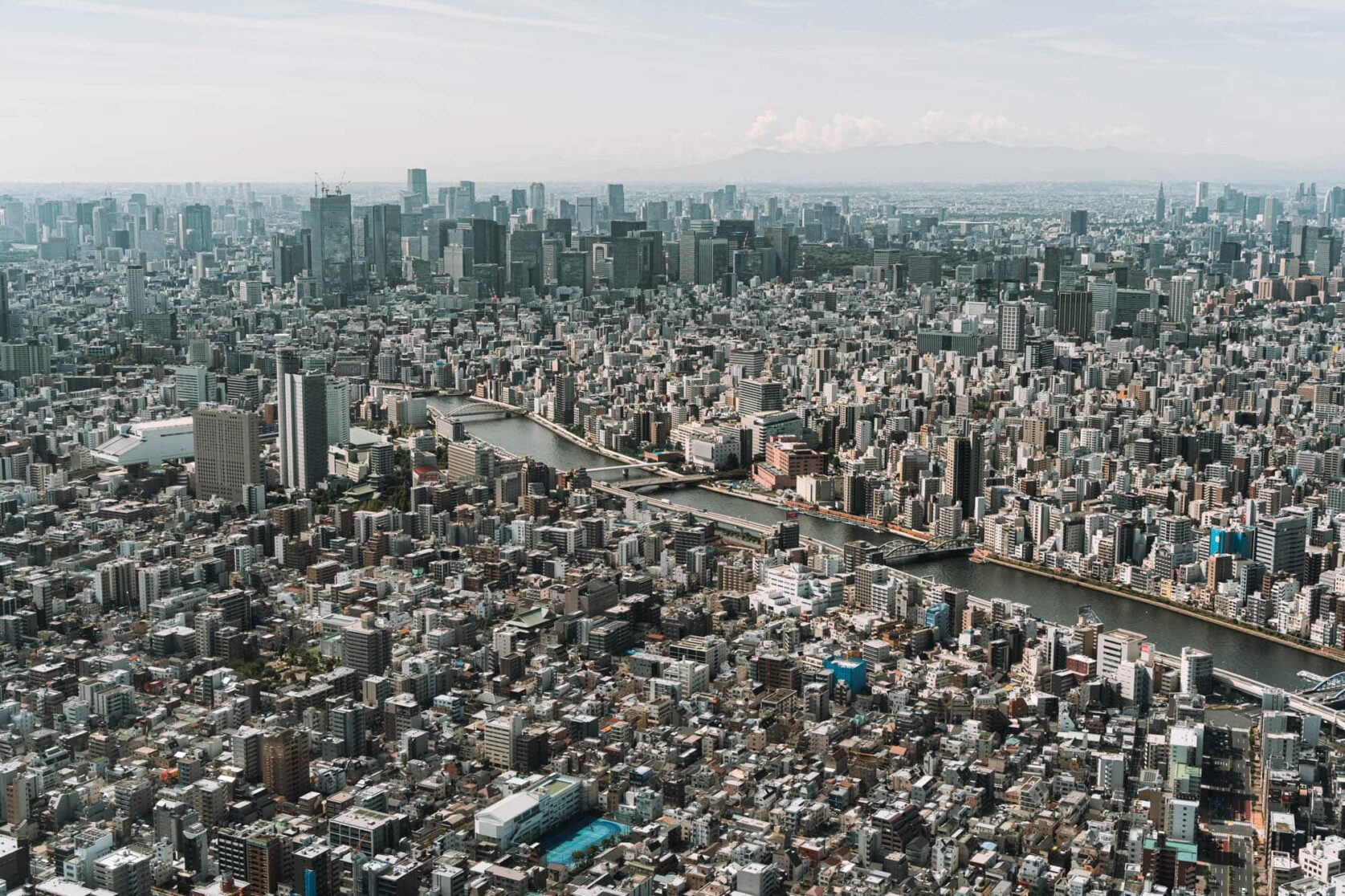
Traveling through Japan can be a bit of a culture shock – in the best possible way. You quickly notice that many things work just a little differently here, and that everything revolves around harmony, refinement, and respect for nature and one another. You see it in every detail, from bowing as a greeting to trains that run with pinpoint precision.
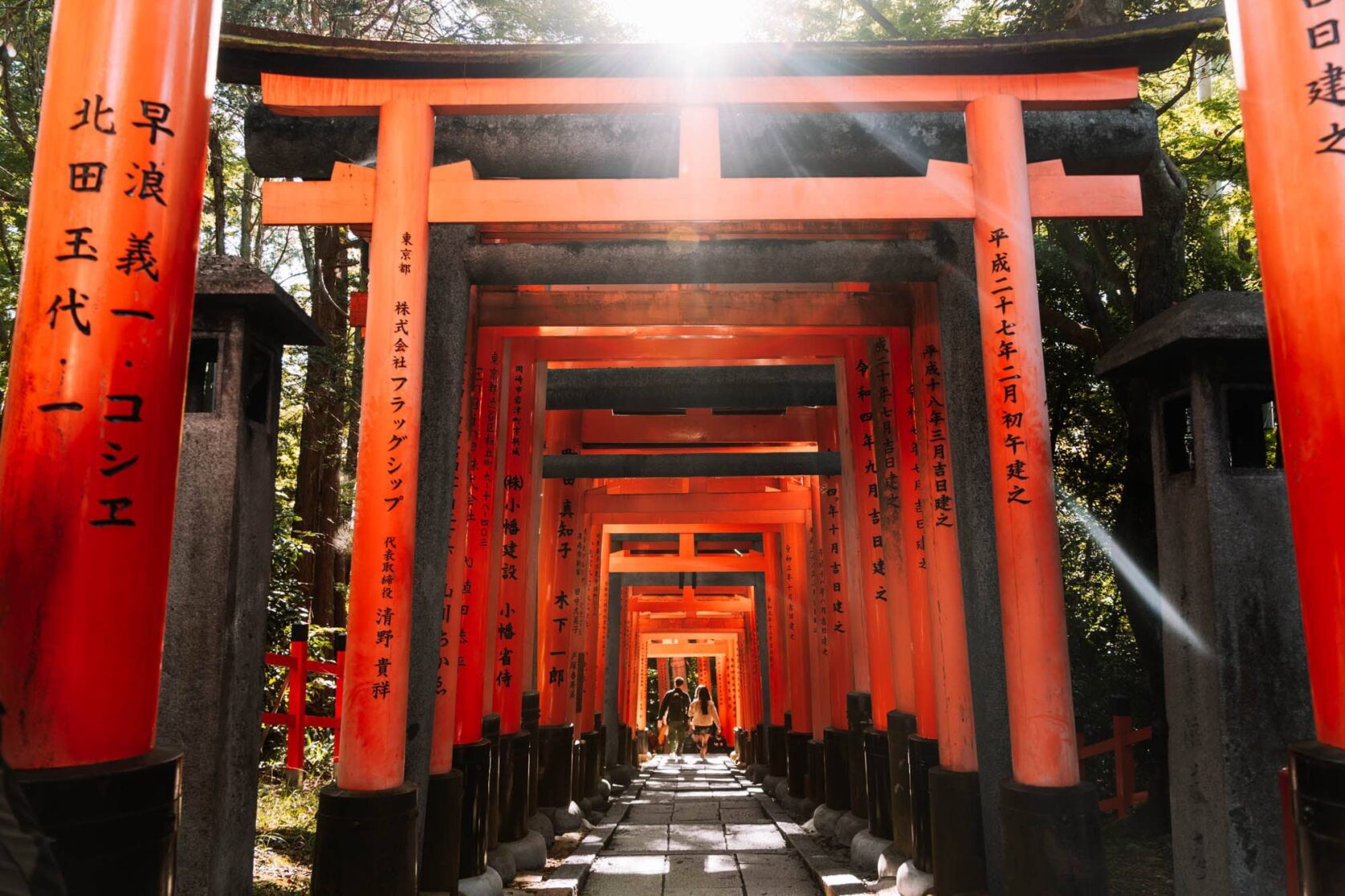
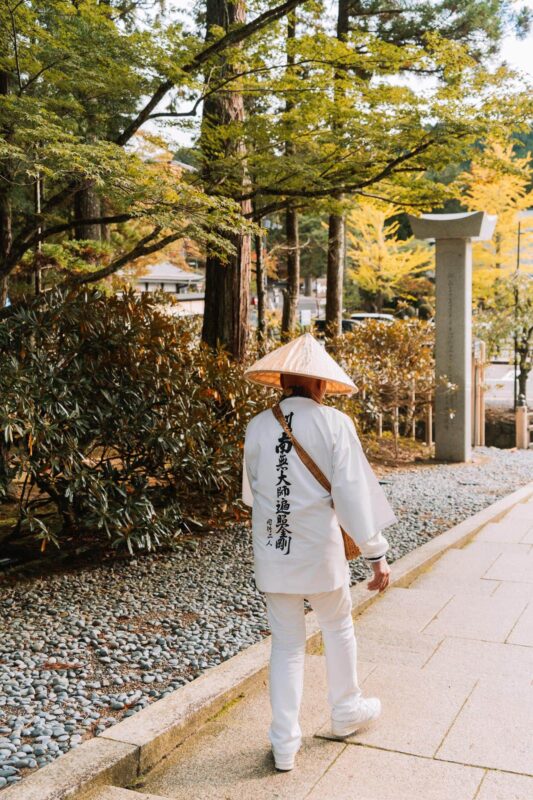
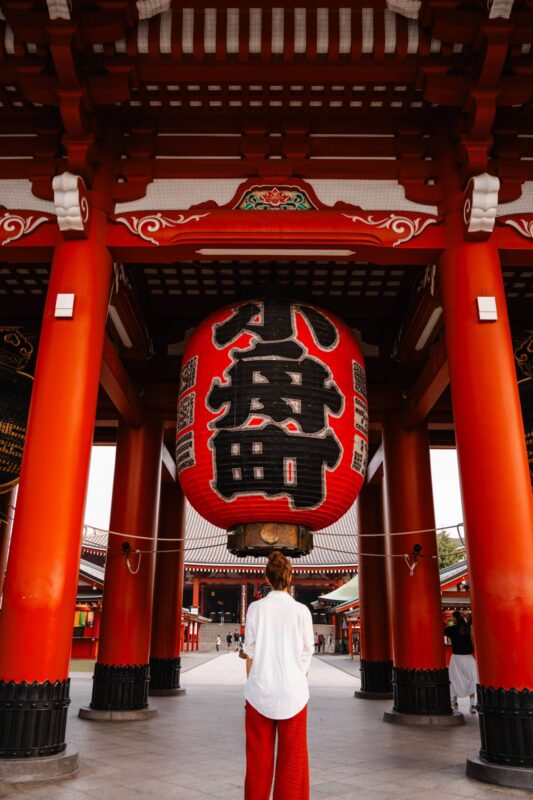
The two main religions, Shinto and Buddhism, coexist in harmony. You can recognize Shinto by the red torii gates at shrines, where people offer rice, coins, or paper strips to the kami, or nature spirits. Buddhist temples, on the other hand, feature large bronze statues, singing bowls, and incense altars where visitors pray for good fortune.
Throughout your trip, you’ll encounter Japanese culture everywhere – in tea ceremonies, kimonos, and meticulously designed gardens. Beauty lies in simplicity and balance (wabi-sabi) and is visible in architecture and the presentation of food.
Fun fact: Toilets in Japan are next level. All across the country you’ll find free, clean public restrooms, even in small parks. Many toilets have a heated seat, a bidet function, and sometimes even soothing sound effects.


#5 Japanese cuisine
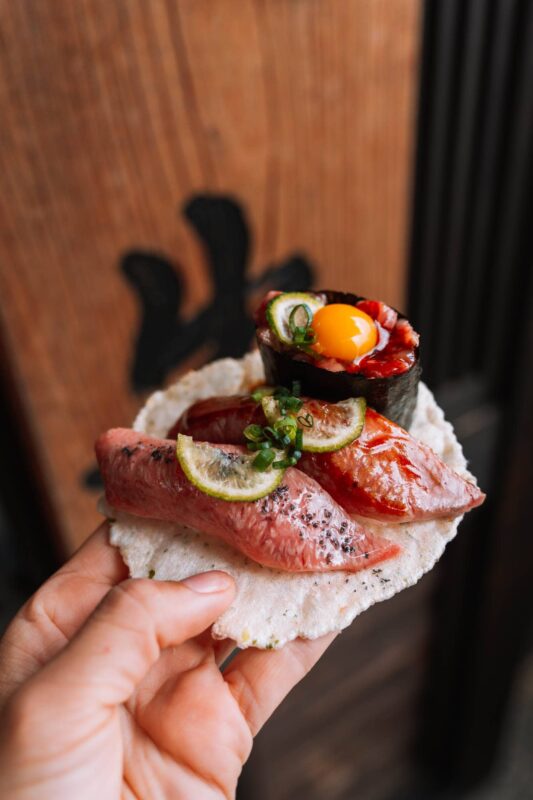
Japan is a paradise for foodies. Everything is prepared with care and beautifully presented on your plate. From small hole-in-the-wall eateries to upscale restaurants, you can eat well anywhere in the country. While traveling through Japan, food becomes an experience in itself. Here are some of the most popular Japanese dishes.
- Tempura – Vegetables, shrimp, or fish in a light batter, deep-fried until crispy and airy.
- Ramen – Noodle soup with a rich broth made from pork, chicken, or miso, topped with meat, egg, and green onions.
- Okonomiyaki – A savory pancake made with cabbage and batter, filled with meat or seafood and finished with okonomiyaki sauce and mayo.
- Takoyaki – Batter balls filled with pieces of octopus, cooked on a griddle and typically served with sauce and bonito flakes.
- Yakitori – Grilled chicken skewers, often glazed with a sweet soy sauce.
- Sushi – Rice topped with raw or cooked fish, usually served with soy sauce, wasabi, and pickled ginger.
- Tonkatsu – A crispy Japanese-style breaded pork cutlet.
Vegetarian and vegan eating in Japan: As a vegetarian, it can sometimes be a bit tricky to find suitable meals. Many traditional dishes that appear vegetarian at first glance actually contain dashi, a broth made from dried fish. It’s also not always understood in Japan that vegetarians don’t eat fish either, so it’s a good idea to clearly specify at a restaurant that you eat neither meat nor fish. We’ve searched Japan for the best restaurants offering a fully vegan or vegetarian menu. You’ll always find these recommendations at the bottom of the “Tips for great restaurants” section in our Japan destination articles.


#6 Japanese dining culture
Anyone who dines out in Japan quickly discovers that there are clear customs and etiquette involved. Many of the norms are subtle, but that’s exactly what makes them interesting to know. With just a few simple rules, you’ll feel right at home at the table and show that you respect Japanese dining culture.
- Don’t eat on public transportation – On most trains, subways, and buses, eating is considered inappropriate. A sip of water or tea is fine, but save meals for trains with tray tables, such as the shinkansen or limited express trains.
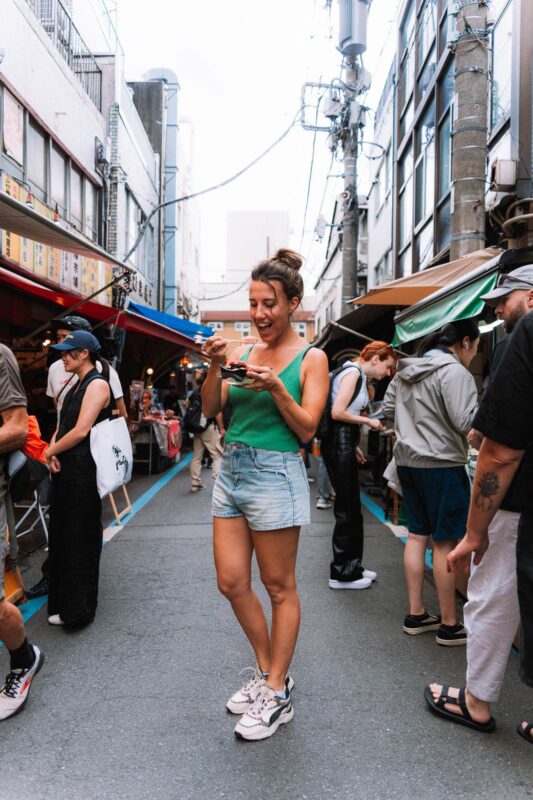
- Don’t eat while walking – Eating and drinking should be done while seated or standing still. Eating while walking down the street is considered rude. Exceptions include festivals, markets, or street food areas where it’s perfectly normal.
- Take your trash with you – Trash cans are scarce in Japan. It’s completely normal to keep your trash in your bag until you can throw it away at your hotel or a convenience store.
- Mind your chopstick etiquette – Chopsticks come with clear rules. Never stick them upright into a bowl of rice, as this is associated with funeral rituals. Always rest your chopsticks on a chopstick holder or on the edge of your plate.
- Slurping is fine – Ordered a bowl of ramen? Go ahead and slurp! It actually signals that you’re enjoying your meal, and no one will bat an eye.
Better to skip: Along with Iceland and Norway, Japan is one of the last countries in the world that still hunts whales. In the 20th century, many whale species were nearly driven to extinction by mass hunting, and these animals are still killed today using explosive harpoons – a practice that causes immense suffering. Whales play an essential role in healthy oceans and help absorb CO₂ from the atmosphere. If you’d rather not support the controversial whaling industry, skip ordering whale meat in Japan.


#7 Izakayas – local Japanese gastropubs
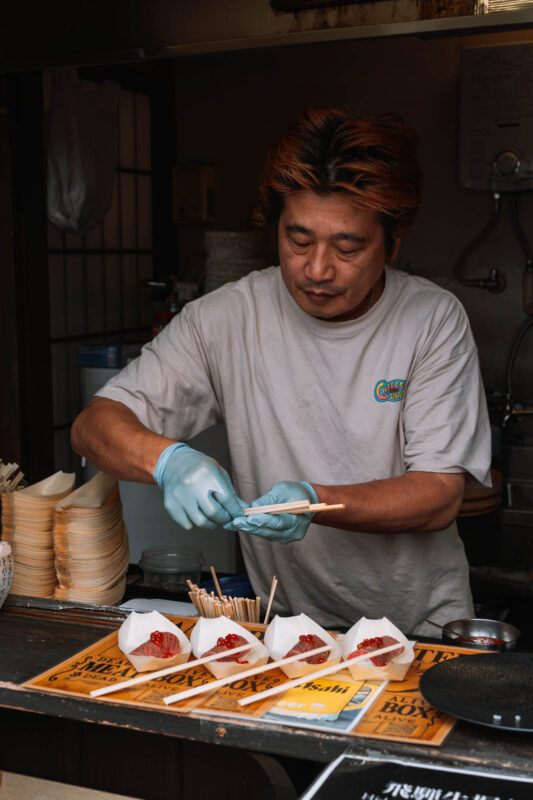
An izakaya might just be the most fun way to get acquainted with Japanese food culture. These spots are a cross between a pub and a tapas bar – a lively, casual place where Japanese people gather after work to eat, drink, and unwind. The menu features typical Japanese dishes, and it’s customary to order several small plates and share them with your group, often over beer, sake, or shochu.
Many izakayas are affordable and have cozy seating. Don’t expect perfect English menus, but you’ll usually find photos of the dishes. Feel free to order whatever looks good – that’s all part of the experience.
Good to know: At most izakayas, you’ll be charged a small seating fee of a few hundred yen. In return, you’ll typically receive a small dish such as pickled vegetables or a salad, known as “otoshi.” You can’t decline this dish – it’s part of the restaurant’s service.
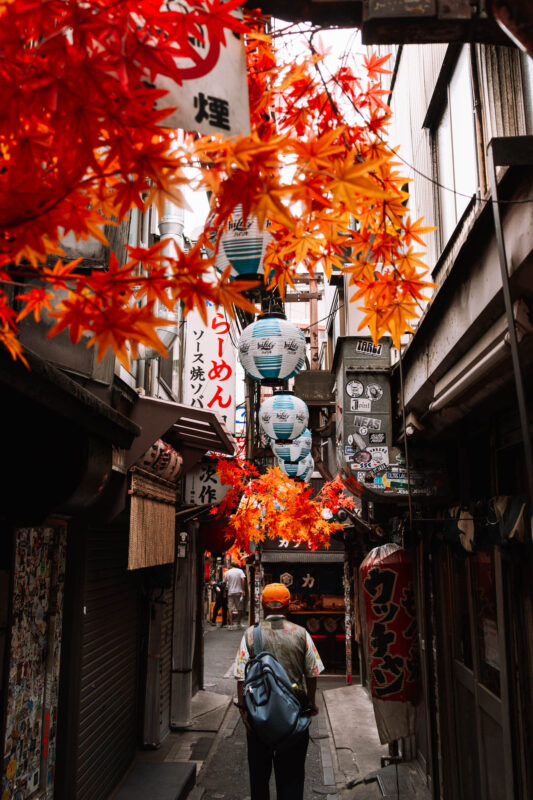

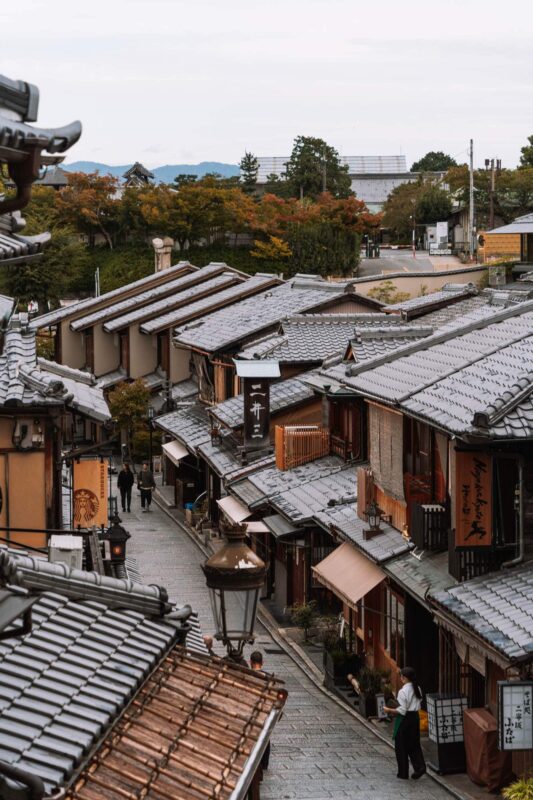

Japan is known for its cleanliness, order, and politeness. People are very considerate of others, which means that even in the busiest cities, there’s a sense of calm. There are a few unwritten rules that are good to know before you go.
- Keep quiet on public transportation. Speak softly and avoid phone calls. Japanese people value silence on trains, subways, and buses – even during rush hour it stays remarkably quiet. Most people are absorbed in their phones or catching a quick nap.
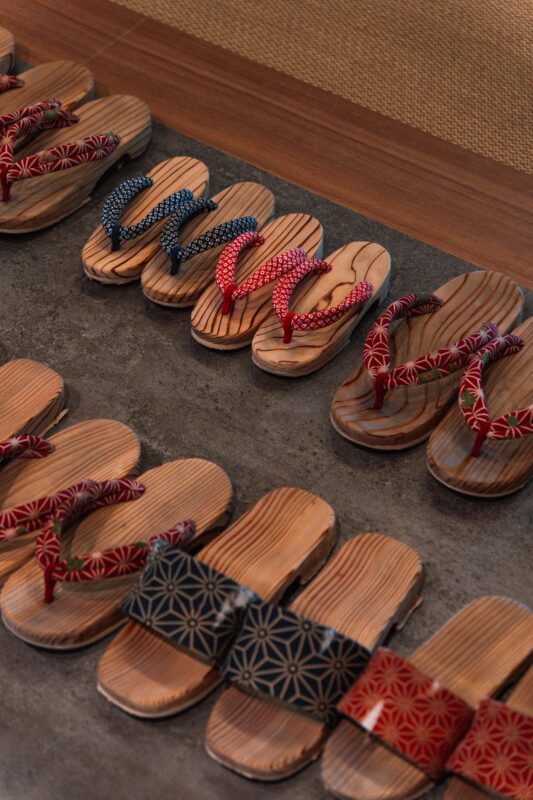
- Take off your shoes when entering. At temples, traditional accommodations (ryokans), some restaurants, and even fitting rooms, you’re expected to remove your shoes. Follow the locals’ lead and use the slippers provided.
- Don’t smoke on the street, as smoking is prohibited in many cities. It’s only allowed in designated smoking areas, often near train stations or cafés. Some hotels also offer smoking rooms. Always choose a non-smoking room if you don’t want to deal with the smell.


#9 The best time to visit Japan
The best time to visit Japan depends on what you want to experience, but generally speaking, spring (March through May) and fall (September through November) are the most beautiful seasons. Below you’ll find an overview of what each season has to offer.
Winter in Japan
December, January, and February
Spring in Japan
March, April, and May
Because spring is peak season, it also means more crowds and higher prices. Accommodation rates can sometimes triple. Keep in mind that late April and early May mark Golden Week in Japan – a national holiday period when many Japanese people travel. Trains fill up fast, accommodations sell out quickly, and prices skyrocket. If you plan to travel during this time, book as early as possible.
Summer in Japan
June, July, and August
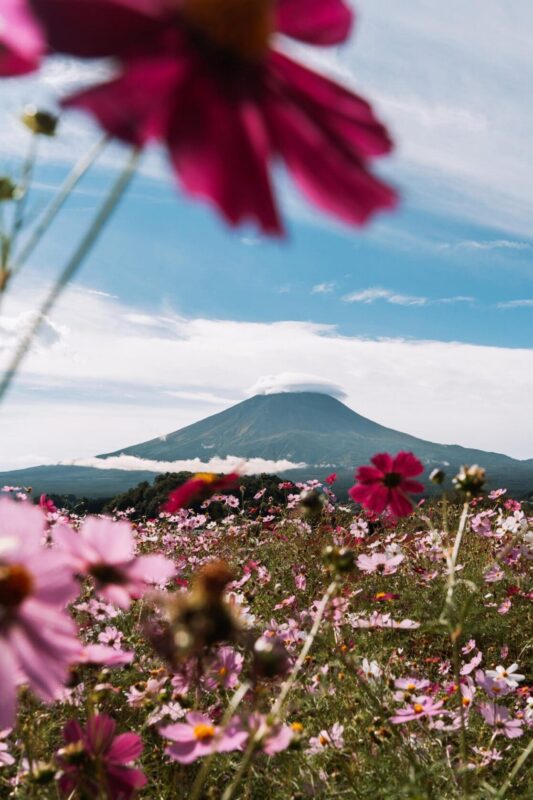
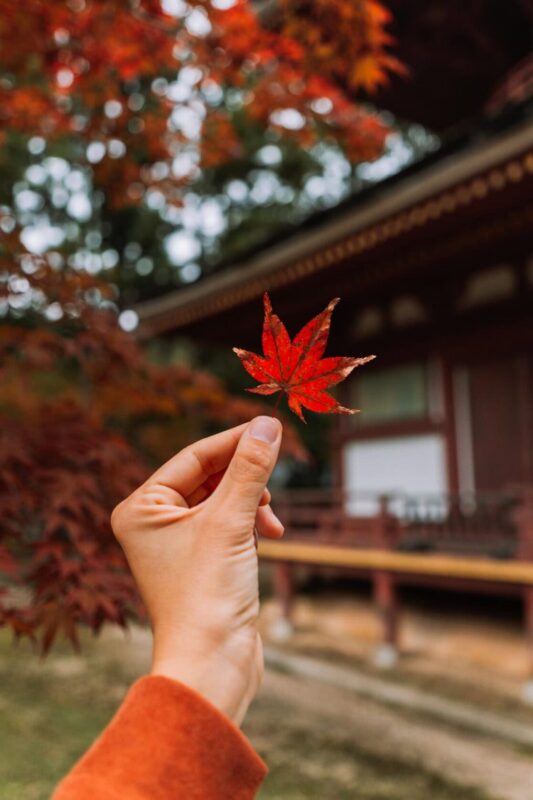
Fall in Japan
September, October, and November


#10 Money and tipping in Japan
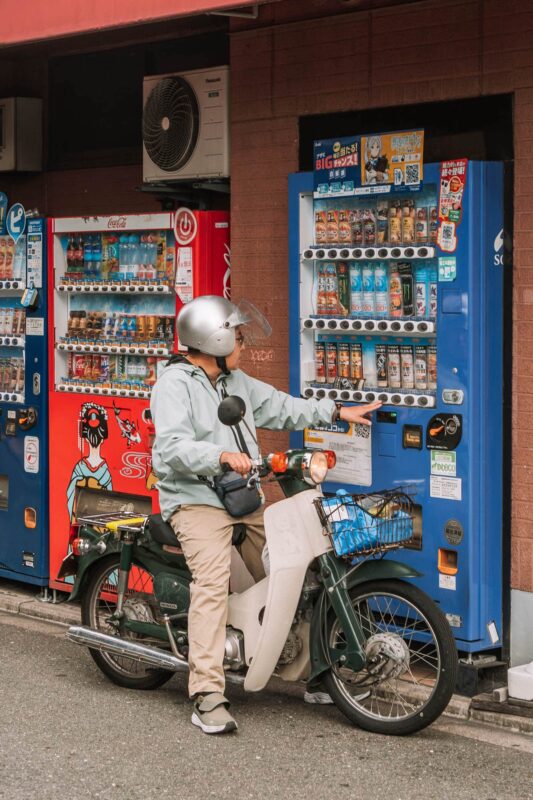
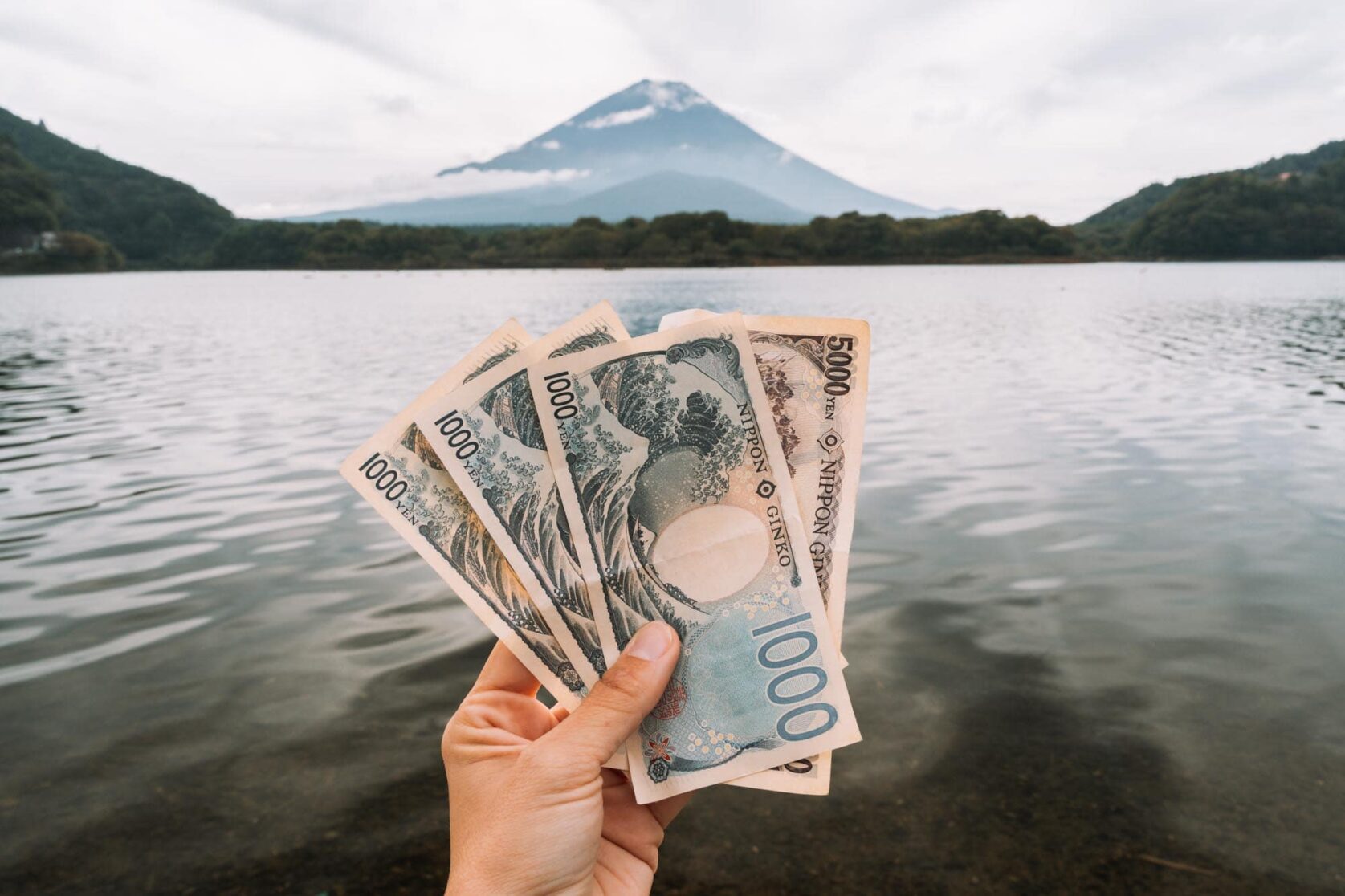
The currency in Japan is the Japanese Yen. While more and more places are accepting digital payments, cash is still essential. Especially at small restaurants, temples, and local shops, card payments are often not an option. Always make sure you have some cash on hand. You can easily withdraw money at 7-Eleven, Lawson, or FamilyMart convenience stores, which you’ll find on almost every corner. Contactless payment (such as with an IC card like Suica or Pasmo) is becoming increasingly popular and is already accepted on public transportation, at the convenience stores mentioned above, at vending machines, and at some chain stores.
Tipping in Japan is not customary and can even come across as awkward or rude. Good service is simply expected in Japan, so save those extra dollars for yourself.

#11 Getting around Japan by public transportation
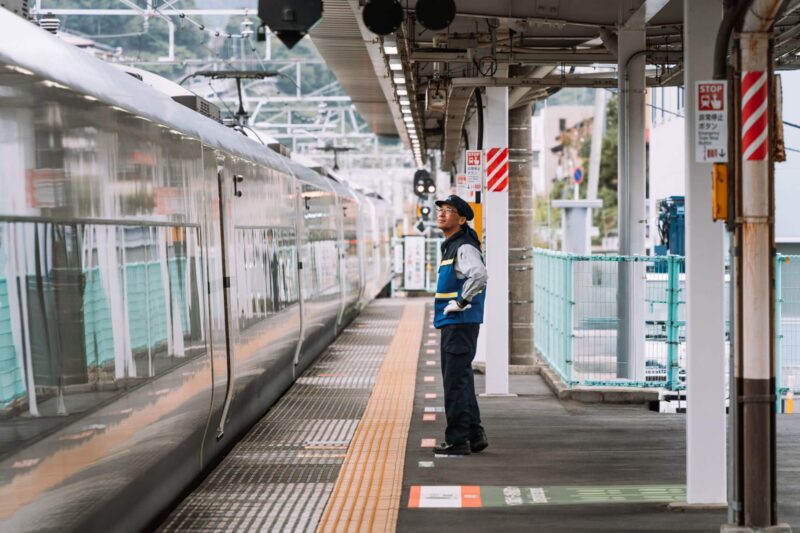
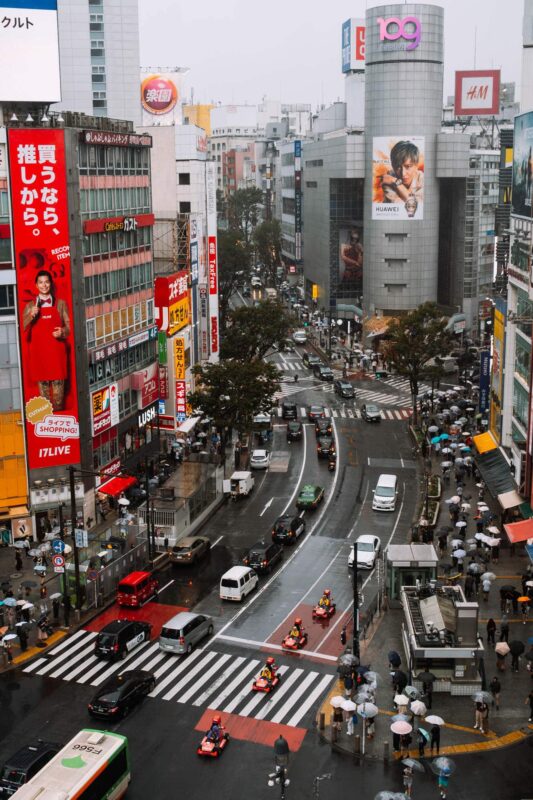
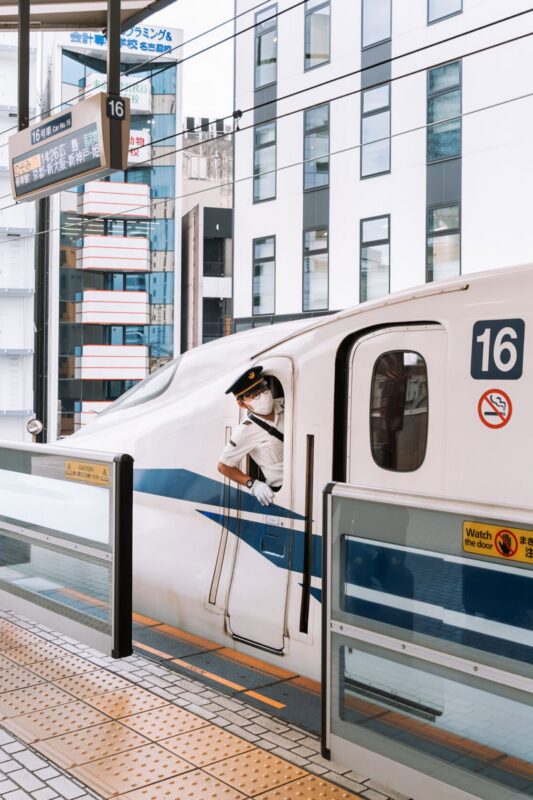
Getting around Japan is surprisingly easy and efficient. The public transportation system is incredibly well-organized: trains run on time, subways are clean, and stations are clearly signposted.
Getting around cities by public transit: Within major cities like Tokyo and Osaka, you can get around very easily by subway, train, or bus. Keep in mind that during rush hours – between 7:30 & 9:30 AM and 5:00 & 7:00 PM – public transportation gets very crowded. You can also easily order a ride through Uber or the Go app. It’s more expensive than public transit, of course, but a great option when a destination is hard to reach by transit.
Traveling between destinations by public transit: Public transportation is an excellent way to travel across Japan. The Shinkansen, Japan’s high-speed bullet train, forms the backbone of the country’s rail network. These sleek white trains zip between major cities like Tokyo, Osaka, and Kyoto at speeds of up to 320 kilometers per hour (199 miles per hour). The Japan Rail Pass is a popular rail pass designed specifically for tourists. With this pass, you can travel unlimited on the extensive JR network, which covers almost all of Japan, and it can work out cheaper than buying individual tickets if you’re covering a lot of ground in a short amount of time. Read all my tips for traveling by train in Japan to learn more.


Now that you’ve read about public transportation in Japan, it’s also worth knowing that Google Maps will be your best travel companion in the country. The app gives incredibly clear directions for getting from A to B, whether it’s a long train journey or a short city ride. You can see exactly which line to take, how long the trip takes, which platform to be on, and which exit to use. So you never have to worry about getting lost in those massive cities – you’ll arrive at your next destination quickly and without any hassle. It’s a smart idea to download the Japan map in Google Maps ahead of time so you can navigate offline at any time, though keep in mind that offline mode doesn’t give you real-time updates.
Tip: If you’d rather stay connected at all times, you can easily purchase an eSIM for Japan before your trip.

#13 Tax-free shopping in Japan
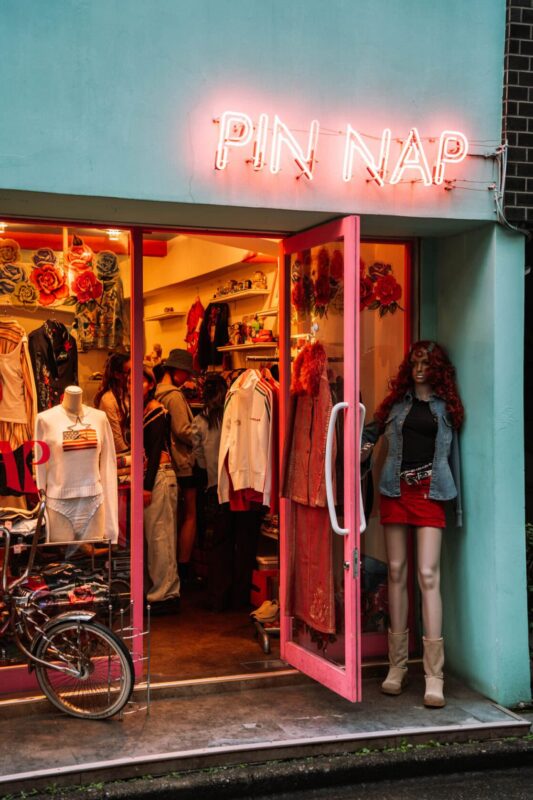
As a tourist in Japan, you can shop tax-free at stores displaying the “Japan Tax Free Shop” sign. On purchases over 5,000 yen (approximately $31), you won’t pay the 10% consumption tax. Here’s how it works: you show your passport at the register, and the store either deducts the tax right away or refunds it later at a special tax-free counter at the airport. The store then attaches a receipt to your passport, which is removed by customs when you depart.


#14 Tap water in Japan
Tap water in Japan is clean and fresh, and safe to drink everywhere in the country. In cities, you’ll find many public drinking fountains, especially at train stations, parks, and some temples. So don’t forget to bring your reusable water bottle when exploring Japan.
#15 You’ll need a universal travel adapter in Japan
Don’t forget to pack a travel adapter for Japan. The country uses Type A plugs with flat prongs – the same type used in the United States. Hotels, trains, and airports sometimes have USB ports available, but don’t count on it. It’s best to bring an adapter with multiple USB ports so you can charge your phone, camera, and power bank all at once. That saves time and keeps everything topped up for the next day.


#16 The ultimate travel itinerary for Japan
Japan is a wonderful country that’s very easy to explore independently, without a tour operator. Public transportation is perfectly organized, it’s one of the safest countries in the world, and you’ll find clear information and amenities everywhere you go. I’ve put together the ultimate travel itinerary for Japan and written a dedicated article for each destination. These articles cover what to do, how to get from A to B, and recommendations for the best restaurants and accommodations. Have an amazing trip to Japan!