

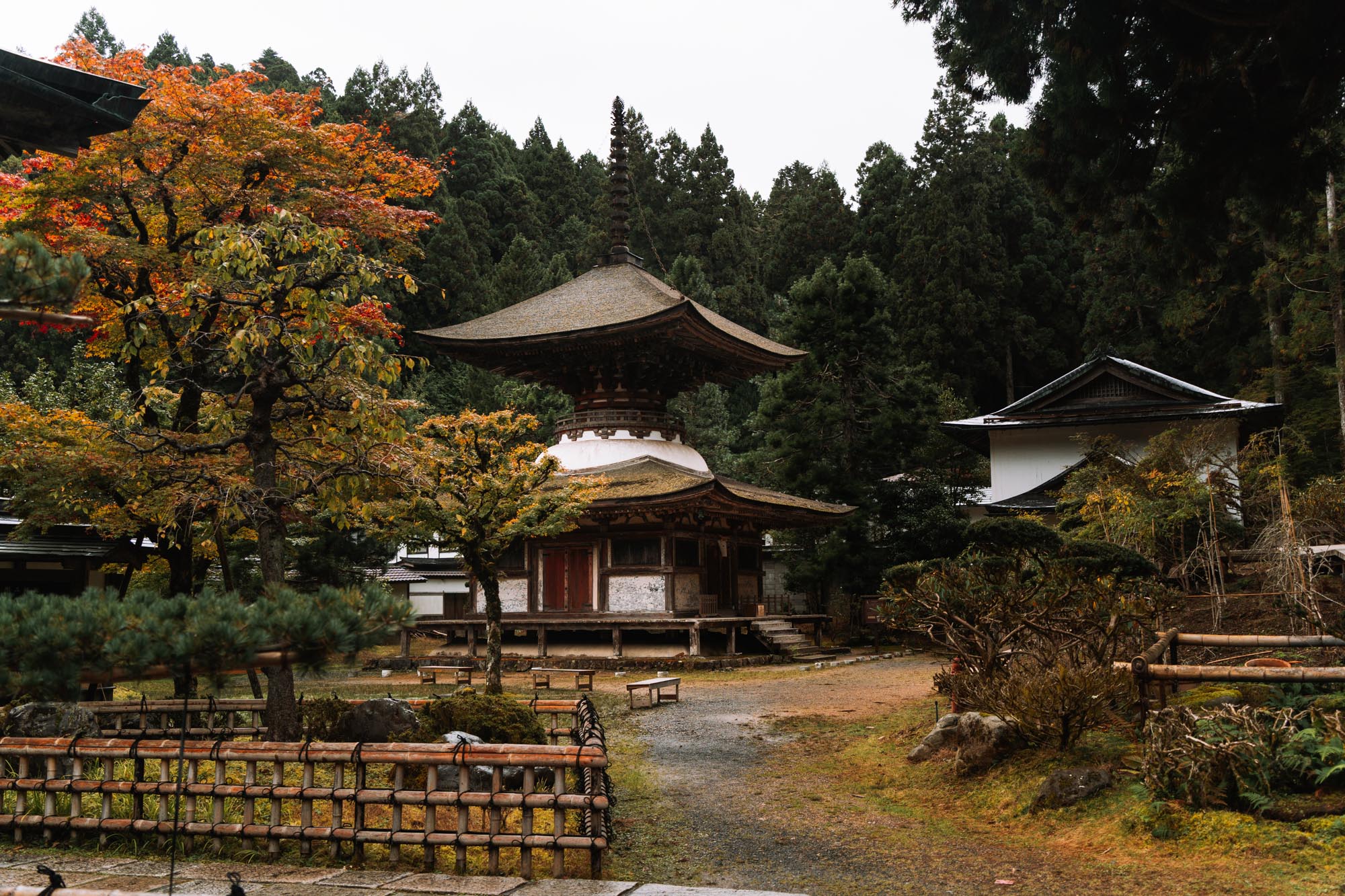
Located at an altitude of over 800 meters (2,625 feet), right in the heart of the mountains, lies Koyasan. This is an extraordinary destination to visit because you can actually spend the night in a Buddhist temple. During your stay, you will be immersed in their rituals and customs. You sleep on a futon on tatami mats, eat vegetarian shojin ryori (Buddhist cuisine), and attend the evening and morning ceremonies. It is a unique chance to submerge yourself in Japanese culture. Here, you will learn to slow down and experience how nature and spirituality converge in a Japanese temple. How often do you get the chance to get so close to Buddhist life? In this article, you can read all about what it’s like to stay overnight with the monks in Koyasan, as well as which temples in Koyasan are the most remarkable to visit.


How do you travel to Koyasan?
Most people travel from Osaka or Kyoto to Koyasan. Below you can read how to travel from these cities to Koyasan using public transportation.
From Osaka to Koyasan
From Kyoto to Koyasan
If you are traveling from Kyoto, it is best to first take the train from Kyoto Station to Osaka Namba Station. This trip takes less than 30 minutes and is covered by the Japan Rail Pass. From Osaka, follow the route described above to Koyasan (via Gokurakubashi, cable car, and bus).
An alternative is the highway bus directly from Kyoto Station to Koyasan. Keep in mind that travel time can increase due to traffic jams, but the major advantage is that you do not have to transfer. This is a direct connection. Reserve tickets for the highway bus.


About the spiritual village of Koyasan
Koyasan is a spiritual village founded by the monk Kobo Daishi, the father of Shingon Buddhism. It lies deep in the mountains of Wakayama, on a plateau surrounded by eight mountain peaks. According to legend, Kobo Daishi chose this specific spot because the mountains form the shape of a lotus flower—a sacred symbol in Buddhism. For over 1,200 years, hundreds of monks have lived in the monasteries and temples of Koyasan, where their days revolve around prayer, meditation, and ancient rituals. The best part: you can be a part of it.


Staying in a temple in Koyasan: what can you expect?
One of the most special experiences in Koyasan is staying in a shukubo; this is accommodation within a Buddhist temple where travelers can stay overnight with the monks. Originally intended for pilgrims visiting temples on religious journeys, many shukubos are now open to travelers. I stayed at Koyasan Sanadabo Rengejoin, one of the most atmospheric temple stays in Koyasan. Below, I’ll take you through my experience so you can get a clear picture of what to expect from a temple stay.
Arrival at Koyasan Sanadabo Rengejion
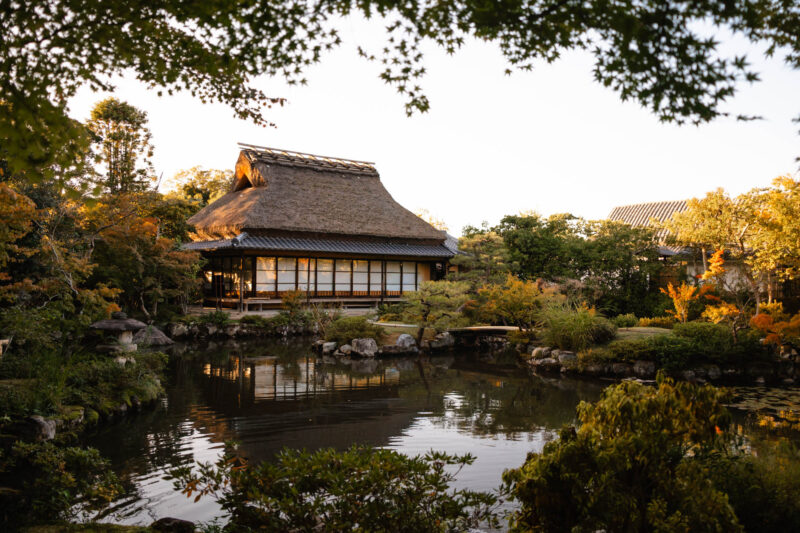
From the moment you step inside, you are greeted warmly and immediately feel the peace. A night in the temple is much more than just an overnight stay; you experience an ancient way of life where rituals, simplicity, and mindfulness take center stage. Guests here live according to the rhythm of the monks. Breakfast and dinner are included, and upon arrival, you receive a schedule with fixed times for meditation, meals, and prayer. Afterward, you are guided through long corridors to your room. Suitcase wheels are not allowed to touch the floor to protect the temple’s ancient wooden flooring. The traditional rooms are truly a sight to behold: simple yet refined, with sliding doors, tatami mats, and a futon bed looking out over a beautiful Japanese garden. Every detail is carefully tended to, radiating pure tranquility.


Evening Meditation
At the end of the afternoon, it is time for evening meditation, which visitors are invited to attend. The ceremonial hall fills with the scent of incense and the soft light of candles glistening on the sacred objects in the room. A monk first gives a brief explanation regarding prayer and breathing, after which the meditation begins. For about forty minutes, there is total silence. If you aren’t used to this, it can feel quite long, so make sure you sit comfortably and allow yourself to simply “be.”


Dinner in the Dining Room
When the evening meditation concludes, dinner is ready for you in the dining room—a carefully prepared shojin ryori meal. This is a fully vegetarian meal cooked according to centuries-old Buddhist traditions. Expect vegetable tempura, soft tofu, miso soup, and pickled vegetables served in small lacquerware bowls. Each dish looks like a tiny work of art.


Washing in a Traditional Onsen
After dinner, the evening is yours. You can take a short walk through Koyasan or retreat to your room. Washing here is also done in the traditional Japanese way: in the onsen. These are communal bathing areas with hot water baths, separated for men and women, with a set washing ritual. You will find stools and showers where you must wash thoroughly with soap and shampoo before stepping clean into the hot bath to relax. These hot baths are intended as a moment of rest that perfectly suits the serene atmosphere of the monastery. Good to know: washing and bathing in the onsen is done naked, and towels stay out of the water. This might be something not everyone is comfortable with, which is why luxury rooms with private bathrooms are also available. However, for those who want the full traditional experience, trying the onsen at least once during your trip is a must.


Morning Ceremony
After your night in the temple, the gong sounds at six in the morning for the scheduled morning ceremony where prayers are sung, also known as chanting. In the twilight, the room fills again with singing, incense, and candlelight. The voices of the monks make it an almost hypnotic experience.
Following the morning prayer, you can sit down for breakfast, served with the same attention as dinner. You will undoubtedly leave Koyasan Sanadabo Rengejoin enriched by a unique experience. A temple stay is certainly not cheap, but it is far more than just a place to sleep. It is an experience you can carry with you throughout the rest of your trip to Japan and likely for the rest of your life.
Tip: Book your temple stay far in advance as it is popular and spots are limited. As mentioned, I stayed at Koyasan Sanadabo Rengejoin. Everything was arranged to perfection, and I highly recommend it. Is it fully booked for your dates? Luckily, there are several great alternatives. Koyasan Syukubo Ekoin Temple is one of the best options, offering a comparable experience, a traditional Japanese garden, and a fire ceremony. Koyasan Shukubo Hojoin is also a good choice; staying here is often slightly more budget-friendly, and it is one of the few temples where you can book a massage.


The most beautiful sights in Koyasan
Besides the temple stay, Koyasan is a wonderful destination to explore. Scattered throughout Koyasan are more than a hundred temples, each with its own atmosphere, architecture, and history. Most temples and sights are close to one another, making it easy to explore on foot before or after your stay. The following sights in Koyasan are certainly worth a visit.
The most famous temple in Koyasan, Kongōbu-ji
Kongōbu-ji is one of the most famous temples in Koyasan and the headquarters of Shingon Buddhism. Behind its modest wooden facades lies a complex full of art and symbolism. The sliding doors are hand-painted with golden peonies and cranes. In the courtyard, you’ll find Japan’s largest rock garden, where white pebbles and boulders represent a sea and two dragons.


The spiritual complex Danjō Garan
The Danjō Garan Complex is also extraordinary to visit. This is a sacred site with various pagodas and halls that together form the spiritual heart of Koyasan. The enormous Konpon Daito pagoda is particularly impressive: bright red in color, with a giant golden Buddha statue inside. You’ll also find a unique pine tree here. Its needles don’t grow in groups of two or five like ordinary pines, but in groups of three. According to Buddhist symbolism, these represent the “three jewels” of Buddhism, leading many people to collect the fallen pine needles as a talisman.


The oldest temple in Koyasan, Kongō Sanmai-in
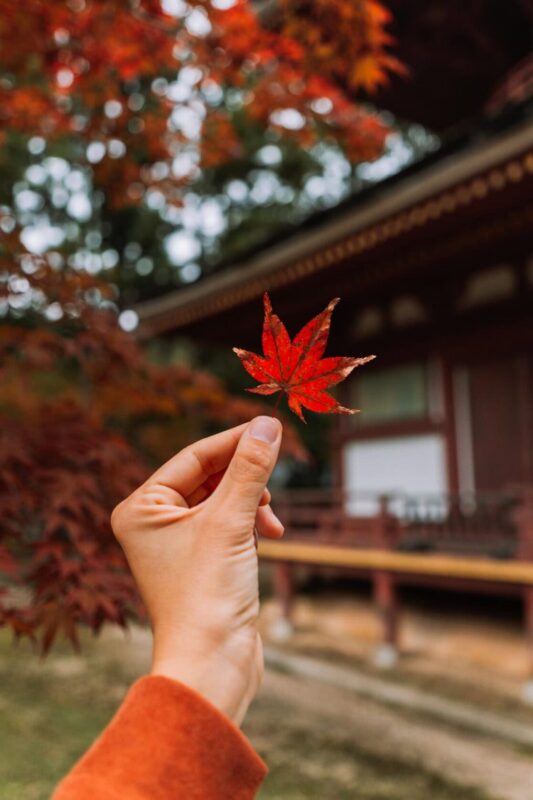
Kongō Sanmai-in is another atmospheric temple in Koyasan and the oldest original temple in the village. While it is often less famous than the spots mentioned above, it is a temple where peace and spirituality are deeply felt. The triple pagoda has a unique architectural style that differs from other pagodas. Today, you can also stay overnight here, but for a small entrance fee, visitors can also drop by to experience this place briefly.


Walk through ancient cedar trees at Kongobu-ji Okuno-in Cemetery
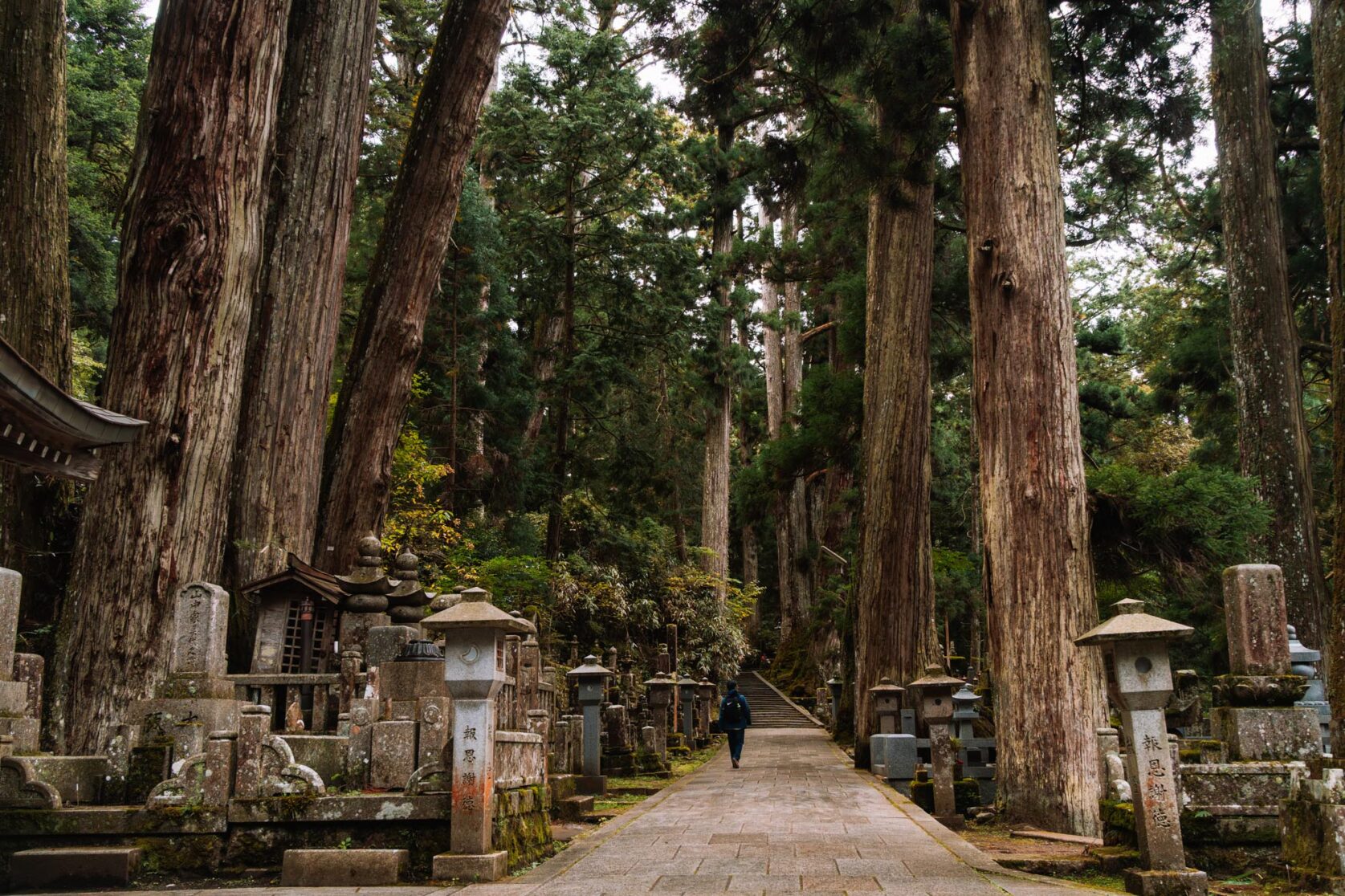
This sight may not be a temple, but it certainly belongs on this list of things to do in Koyasan. The idea of a cemetery might not immediately appeal to you, but this is without a doubt the most impressive place in Koyasan. Among ancient cedar trees stand more than 200,000 moss-covered statues, gravestones, and stone lanterns. This cemetery stretches for nearly 2 kilometers (1.2 miles). A walking path leads you deep into the forest. At the end lies the mausoleum of Kobo Daishi, where, according to belief, he remains in eternal meditation. In the evening, the path is subtly lit, but it is also special in the morning when the mist gives this place a mystical atmosphere.
Tips for good restaurants in Koyasan
While dinner and breakfast are included in your temple stay, if you are looking for a place to have lunch during your visit to Koyasan, I have three great tips for you!
- Bon On Shya Cafe – This hip lunch spot serves light dishes, desserts, and great coffee.
- Tempu Terrace – This is a contemporary eatery with Japanese curries, donburis, desserts, and a nice terrace.
- Yoshi Sushi – For when you’re craving typical Japanese dishes such as sashimi, miso soup, and sushi.