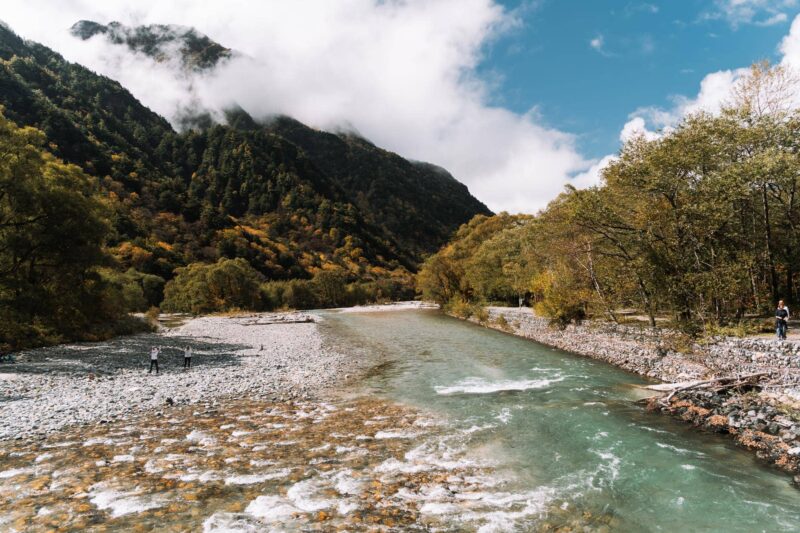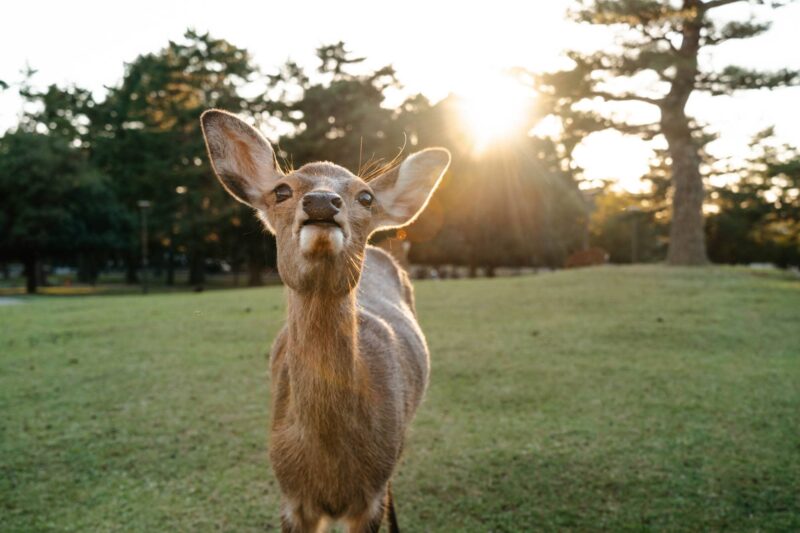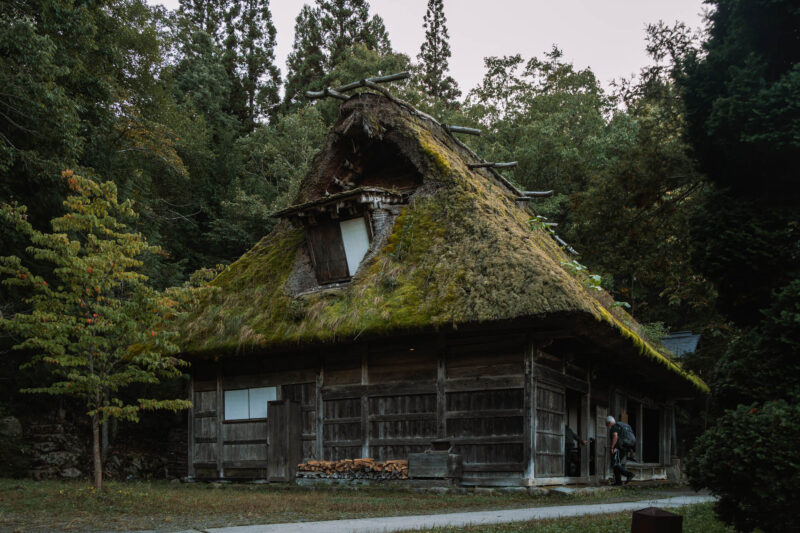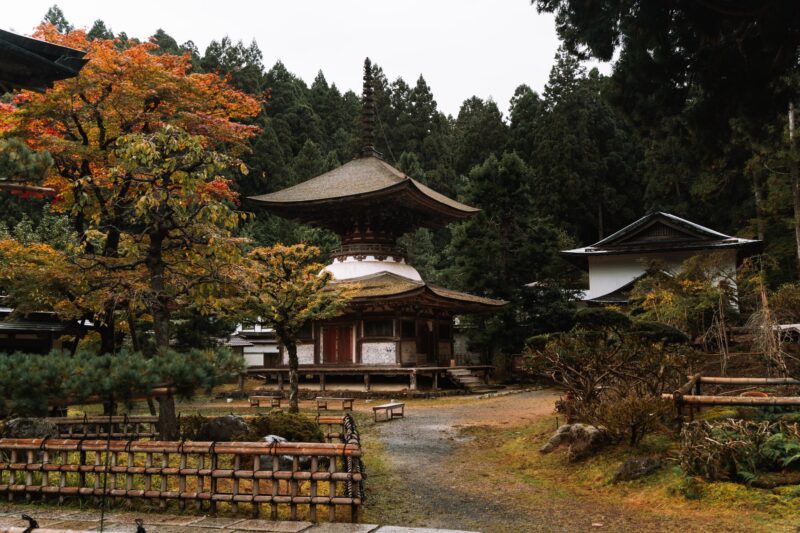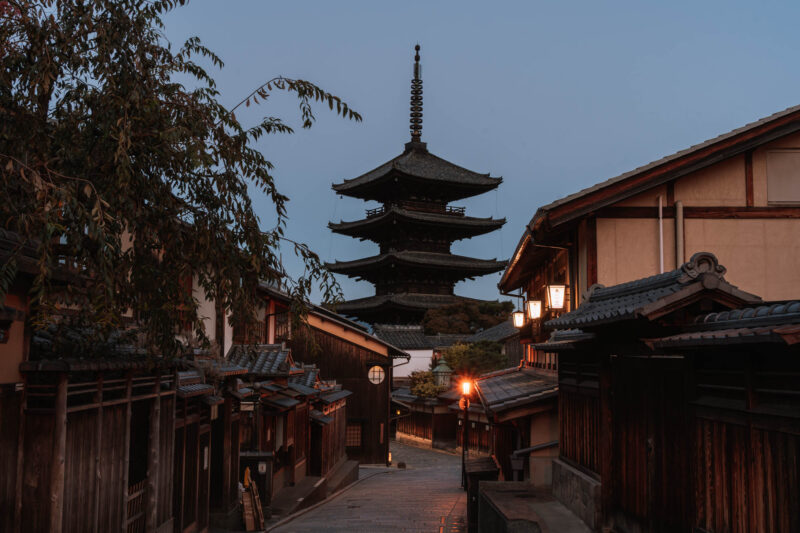

Nikko is a special town in the mountains of Japan, about a two-hour journey from Tokyo. The fresh mountain air and calm atmosphere make it the ideal place to escape the hectic pace of the capital. What makes Nikko so unique is the perfect balance between culture and nature. In the morning, you can wander past centuries-old UNESCO temples full of history and craftsmanship, while in the afternoon, you can hike through the mountains of Nikko National Park, with views of crystal-clear blue lakes and impressive waterfalls. Although Nikko can be visited as a day trip from Tokyo, you only truly discover the diversity of this place when you stay overnight. In this article, I will take you through the most beautiful spots and sights that make Nikko so extraordinary.


How do you travel to Nikko?
Nikko is located two hours away from the capital, Tokyo. Most travelers therefore go from Tokyo to Nikko, and the train is the best way to get there. Below you can read how the train journey works.
By train from Tokyo to Nikko


Tips for transportation in Nikko
The sights in Nikko are well-connected by various bus lines. They run from the station to the temple complex and deep into Nikko National Park. You can easily check in and out with your Suica or Pasmo card or buy individual tickets on the bus. You can also choose one of the special transportation passes below, which allow for unlimited travel in Nikko.
Nikko Pass
There are two versions of the Nikko Pass. Both passes include: a round-trip ticket from Tokyo (Asakusa) to Nikko, unlimited bus use in the region, and discounts at selected shops. You can reserve the Nikko Pass online. These are the two different versions:
- World Heritage Area Pass – Unlimited bus use up to the Nikko temple complex. For when you are only visiting the town and the temples. This pass is valid for two days.
- All Area Pass – All buses in the temple area AND the Nikko National Park + a cruise on Lake Chūzenji, among other things. For when you want to discover many sights in Nikko National Park in addition to the temples. This pass is valid for four days.
Free Bus Pass
You can also purchase a transportation pass in Nikko itself for just the buses. These bus passes exclude the train journey from Tokyo and are useful if you don’t want to travel back the same way. You’ll earn back the cost of these bus passes with just one round trip in a single day. You can purchase them at the Tobu Nikko Tourist Information Center (next to the station).
- Chūzenji Onsen Free Pass – 2 days of unlimited travel between Nikko and Lake Chūzenji.
- Yumoto Onsen Free Pass – 2 days of unlimited travel between Nikko and Yumoto Onsen.
It’s good to know that most buses only depart 1-2 times per hour. So keep a close eye on the current bus schedule to avoid unnecessary waiting. In the busy autumn season in October, buses may be subject to delays due to traffic.
Renting a car in Nikko


Nikko consists of two parts: the Nikko temple area and Nikko National Park
It is helpful to know that Nikko consists of two different areas: the Nikko temple area and Nikko National Park. It is recommended to set aside two full days for Nikko. You can then visit the temples on one day and the national park the next.
Tip: Doesn’t your travel schedule allow for multiple days in Nikko? Then choose this day trip to Nikko from Tokyo. This includes visits to the most beautiful temples as well as the most important sights in Nikko National Park.

What to do in Nikko: the temple area?
In my opinion, you shouldn’t miss the following tips for sights in Nikko!
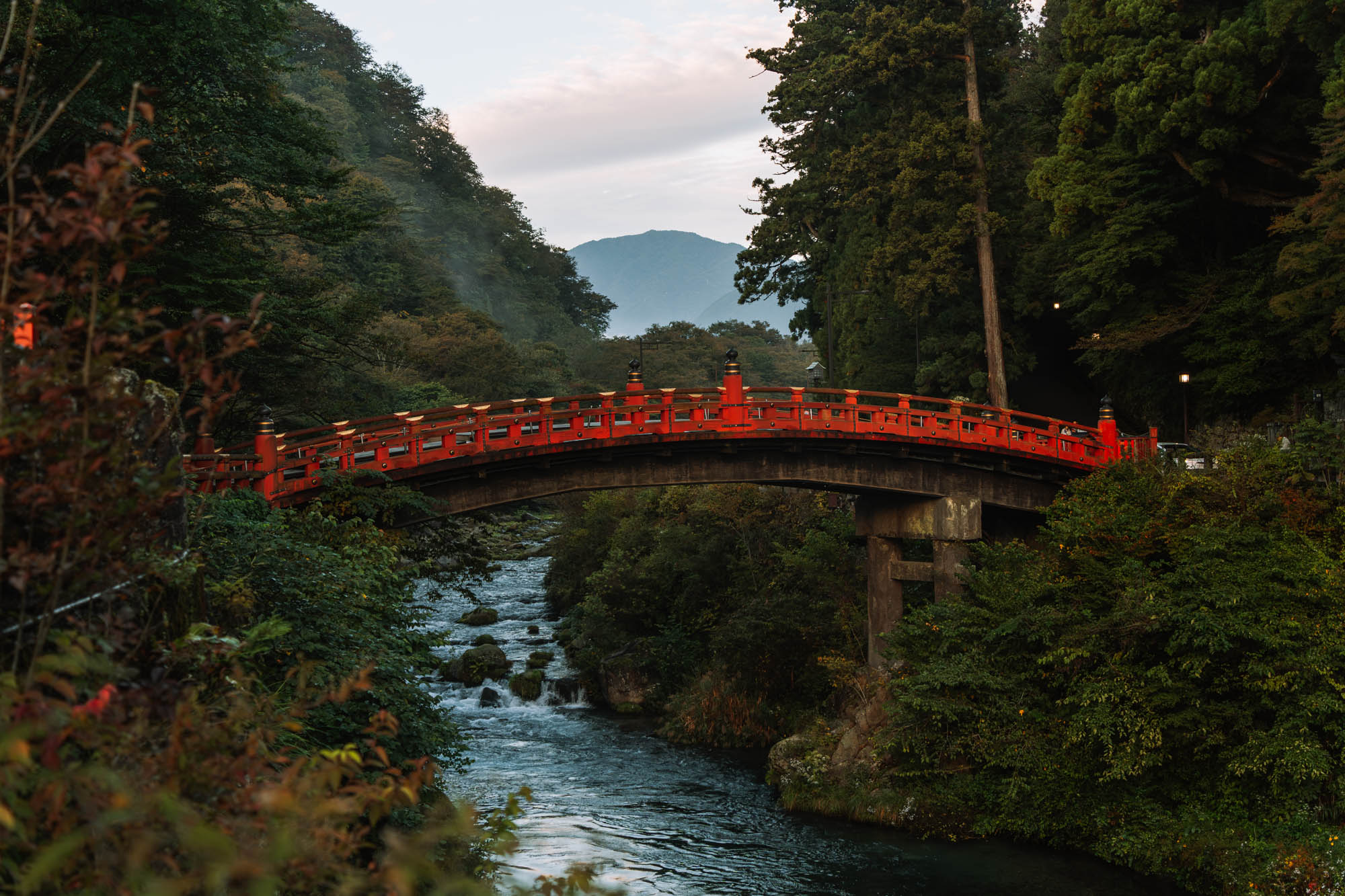
Begin the morning at Shinkyo Bridge
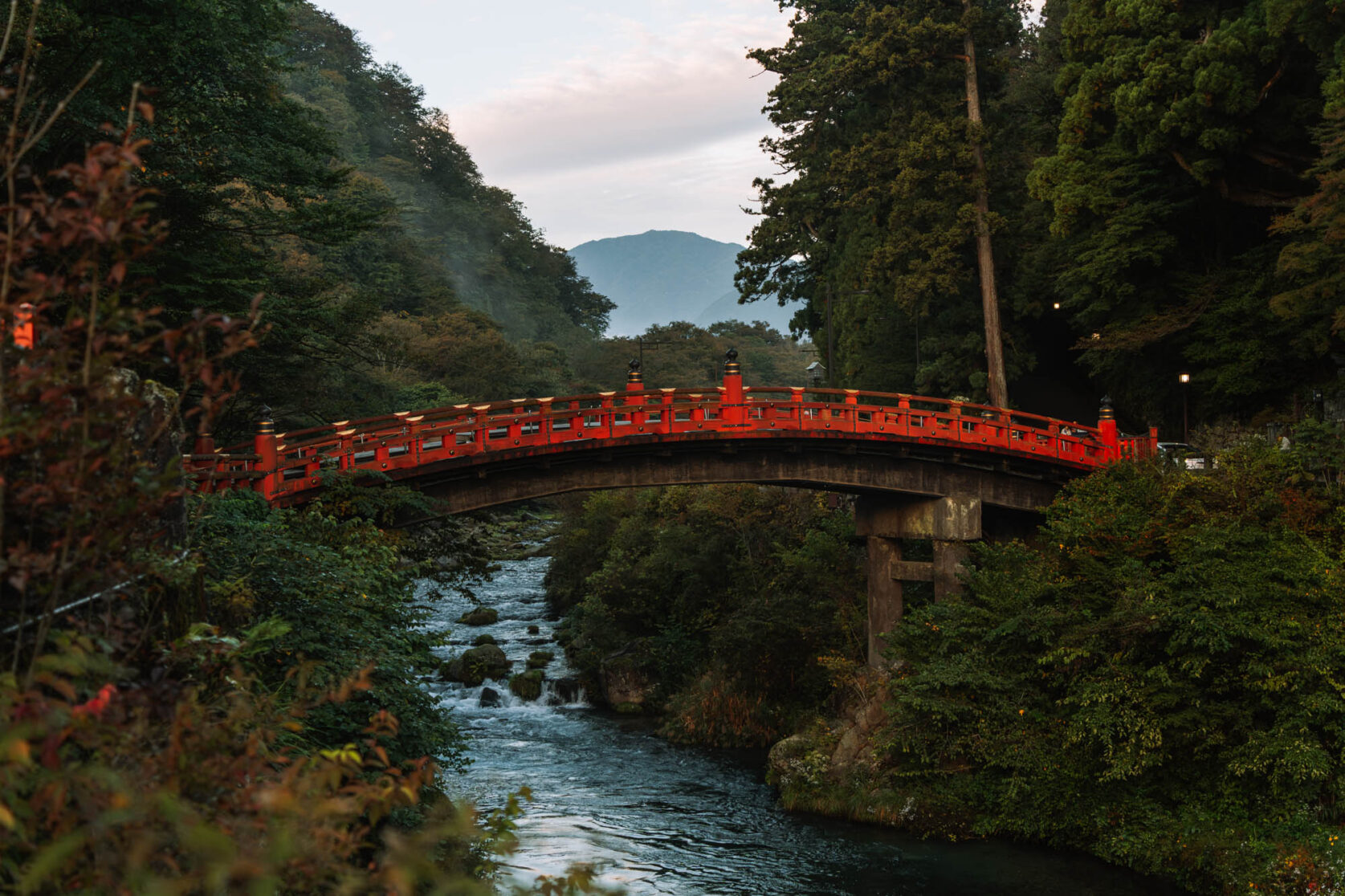
Shinkyo Bridge was once the gateway to the sacred mountain area and was only accessible to priests and the emperor. Today, you are allowed to walk across it for a small entrance fee during certain times. But the best view is actually just from the side of the road.

Admire the 70 Jizo statues at Kanmangafuchi Abyss
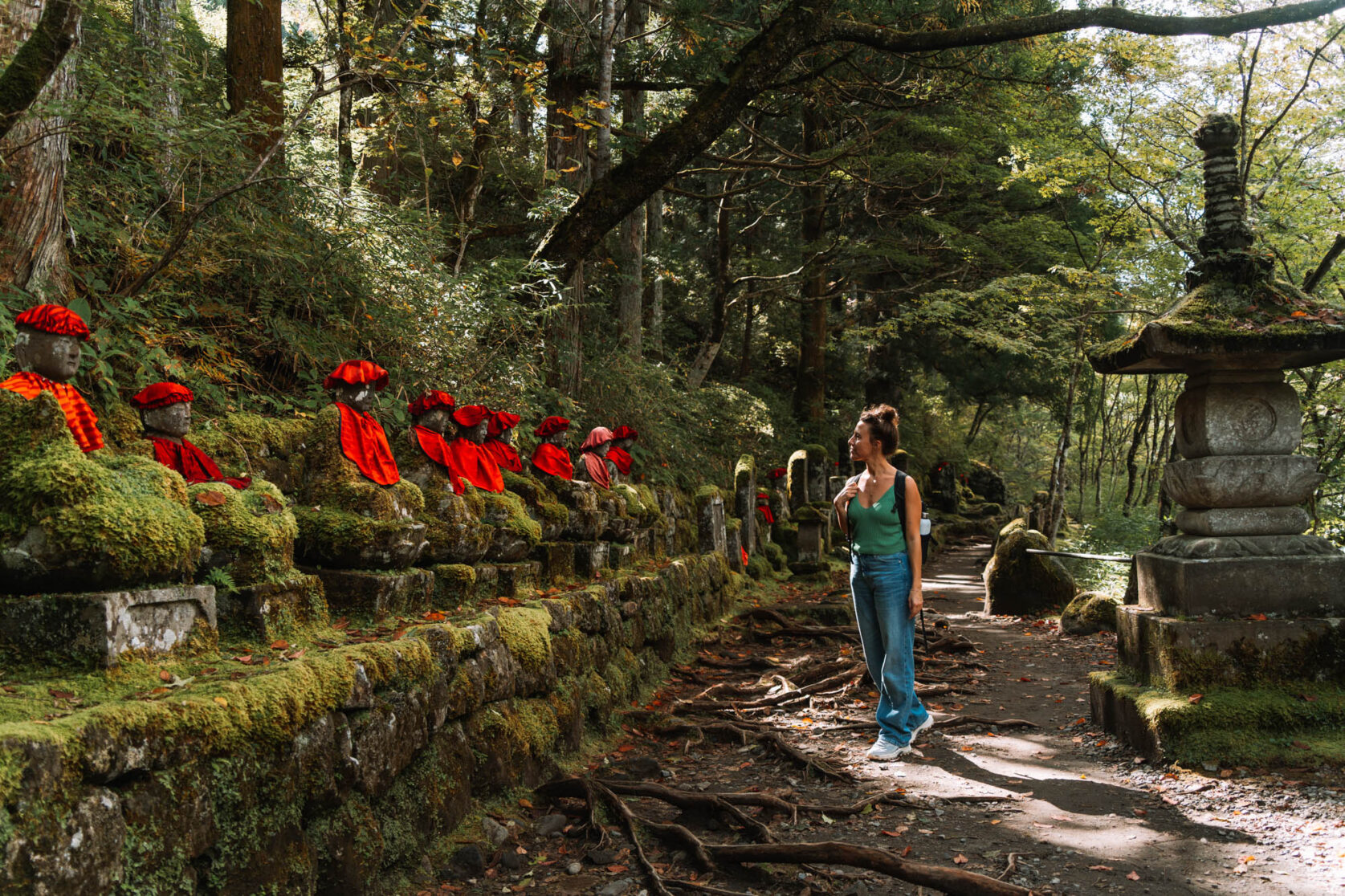
Kanmangafuchi Abyss is a narrow gorge where the Daiya River flows through a forest of dark lava rocks. The highlight of this spot is the 70 Jizo statues along the route—the Buddhist protectors of children and travelers. The red hats and scarves that locals dress the statues in create a beautiful contrast with the green moss. According to legend, the statues change in number and order every time you try to count them.

Visit the most beautiful temples of Nikko
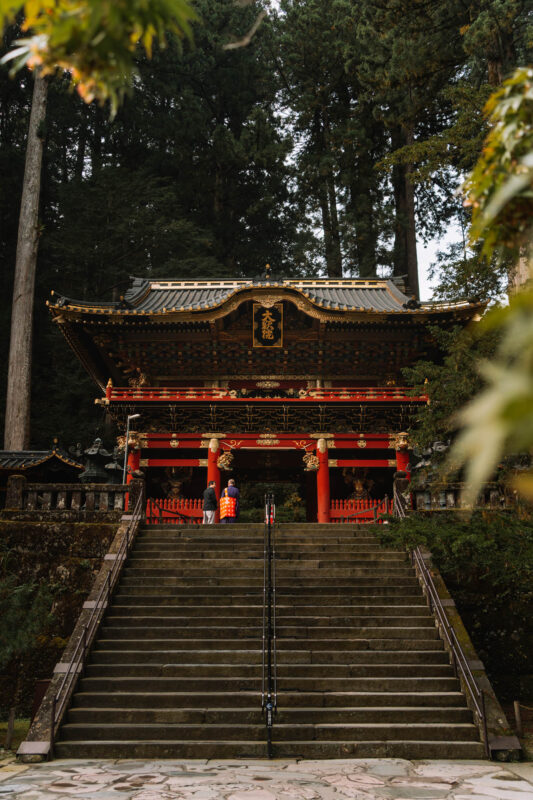
After seeing Shinkyo Bridge, you can walk straight into the Tōshōgu temple complex. This is the mausoleum of Tokugawa Ieyasu, the founder of the shogunate (military government) that ruled Japan for 700 years. The temples are richly decorated with wood carvings and gold; nowhere else in Japan will you see such lavish temple art full of symbolism. This is one of the most beautiful temple complexes in Japan. You can easily complete the entire route through the complex in half a day, but if you want to enter every building and take your time, you could easily spend a whole day here. All temples are within walking distance of each other, and the temples below are definitely worth a visit.
-
Rin’nōji Temple
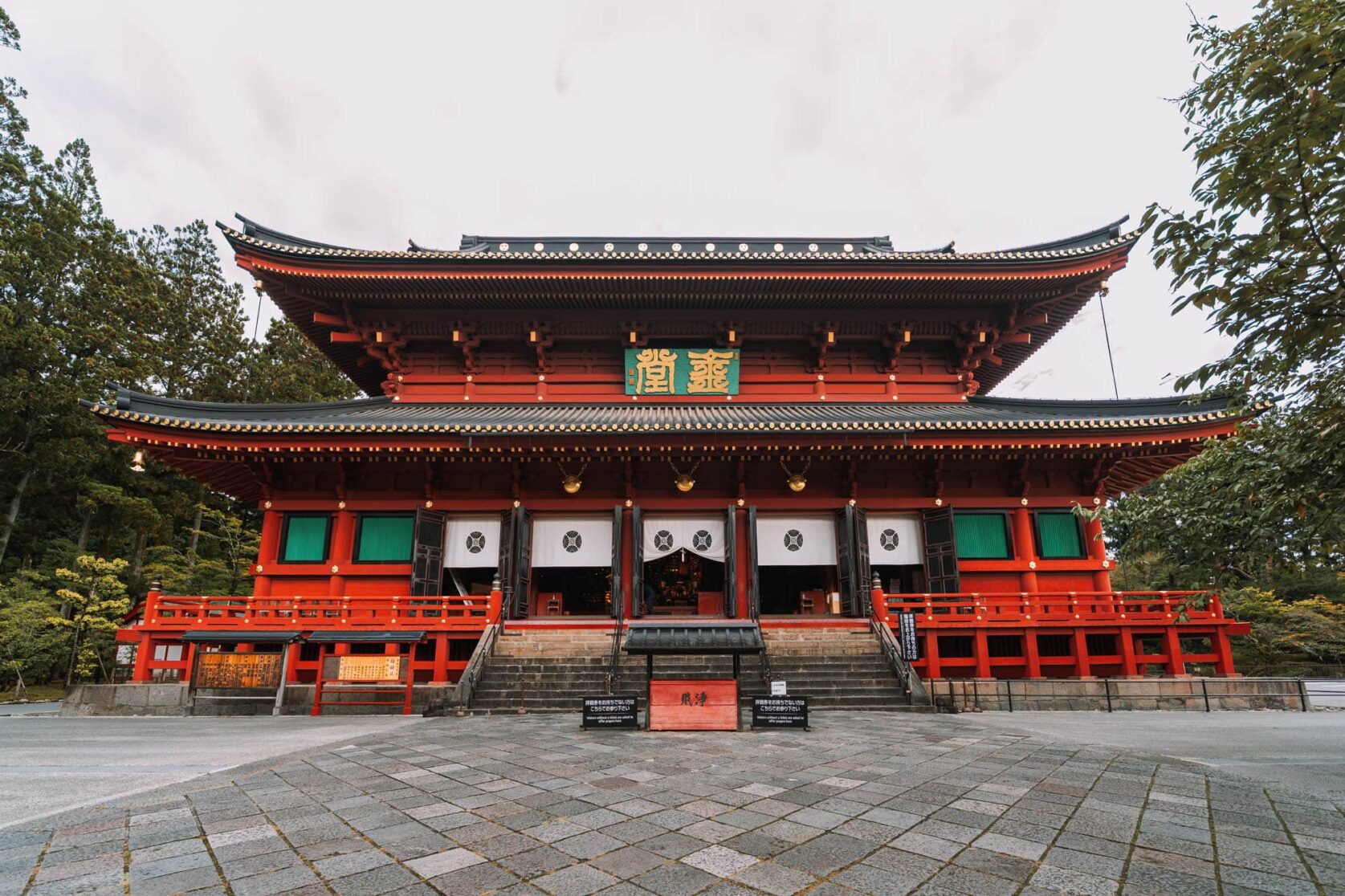
Start at Rin’nōji Temple, the largest Buddhist temple in Japan. In addition to the main temple, 15 smaller buildings belong to this site. You can enter the grounds for free, but you need a ticket to view the three golden Buddhas inside the temple. The temple is open from 8:00 AM. With a combination ticket, you can also visit Shōyō-en Garden. This is a beautiful Japanese garden where you can enjoy a moment of silence.

-
Gojū-no-tō
At the entrance of the Toshogu Shrine stands the Gojū-no-tō, a five-story pagoda rising up among the trees. The pagoda was originally built in 1650 but later rebuilt after a fire. Each floor symbolizes an element from Buddhist cosmology: earth, water, fire, wind, and void. From up close, you can admire the finely crafted details and see how the tower, built without the use of nails, has remained standing for centuries.


-
Tōshōgu Shrine
Tōshōgu Shrine is without a doubt the highlight of Nikko. It can truly be called a masterpiece full of color, wood carving, and history. In contrast to the sober style of many other Japanese temples, Tōshōgu is exuberantly decorated with gold, dragons, flowers, and mythical animals. Everywhere you look, you discover details. From the sleeping cat (Nemuri-neko) to the famous three monkeys: Mizaru (see no evil), Kikazaru (hear no evil), and Iwazaru (speak no evil). Since this is Nikko’s most popular attraction, it’s smart to go early in the morning. You must buy a separate ticket, and the temple opens at 9:00 AM.


-
Rin’nōji – Taiyū-in Mausoleum
After exploring the richly decorated Tōshōgu Shrine, it’s nice to walk on to Taiyū-in Temple, the mausoleum of Iemitsu, the grandson of Ieyasu. He was the one who had the Tōshōgu temple complex built but wanted to be honored more modestly himself. Nevertheless, the complex still radiates wealth, with black-lacquered gates, gilded details, and lanterns guiding the way through the forest. Taiyū-in Mausoleum officially belongs to Rin’nōji Temple but is tucked away a bit more and is much quieter.



What to do in Nikko National Park?
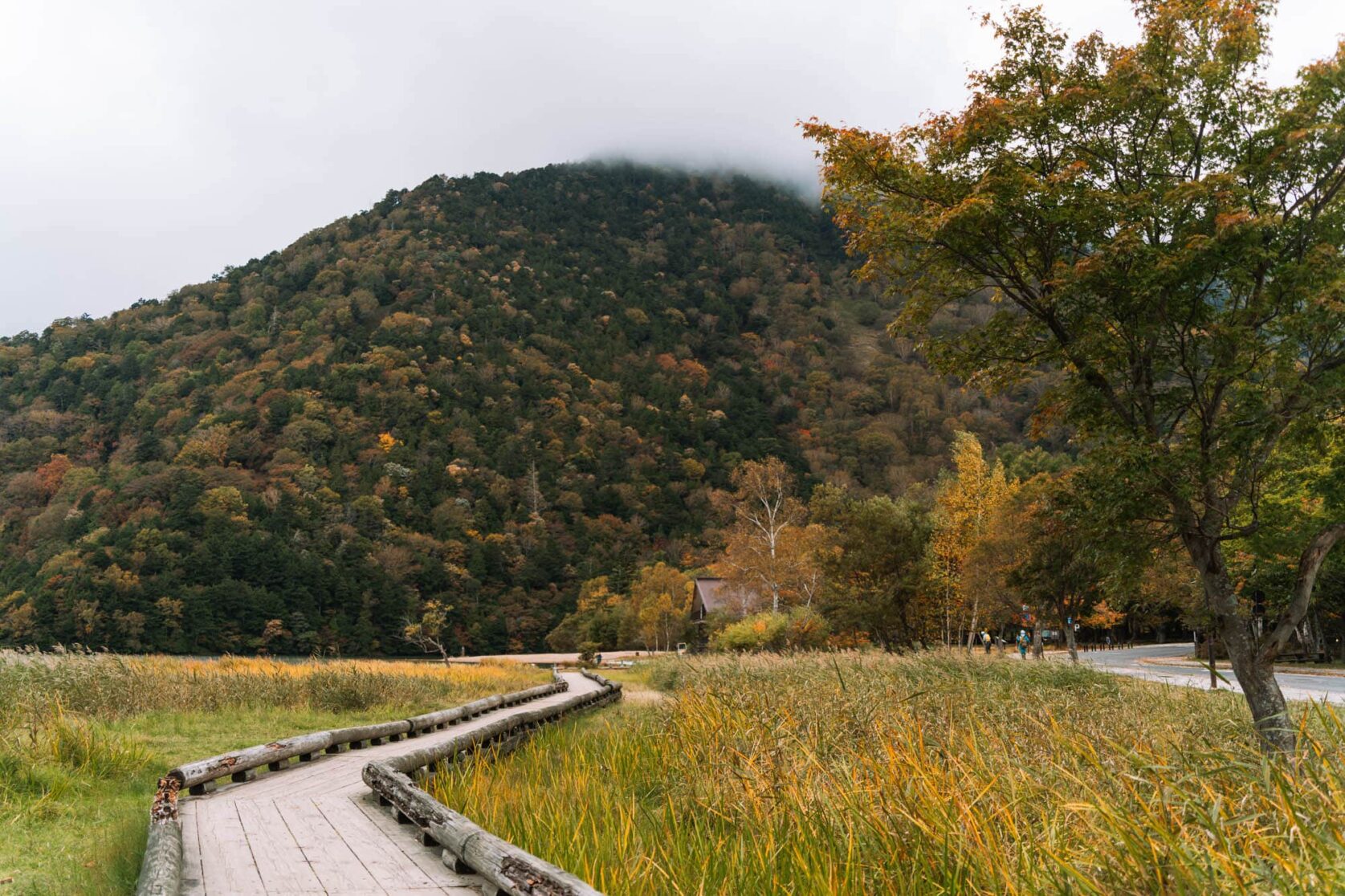
As soon as you leave the temple complex behind, the untouched nature of Nikko National Park begins. Here, mountains, waterfalls, lakes, and dense forests alternate. The park is at its most beautiful in autumn, when the forests turn into a sea of red, orange, and yellow. But Nikko National Park is worth a visit in the other months as well. Wear sturdy shoes, as the paths are sometimes uneven and steep. If you go higher into the mountains, attach a bear bell to your bag, as bears live in this area. You can buy these bells at shops and the station in Nikko.
Tip: The sights in Nikko National Park are relatively close to each other, but the distances are too great to do everything on foot. Therefore, use the local buses or rent a car in Nikko if you prefer to travel at your own pace. Check bus times in advance via Google Maps, as they sometimes only run 1 or 2 times per hour in the mountains.
-
Lake Chūzenji
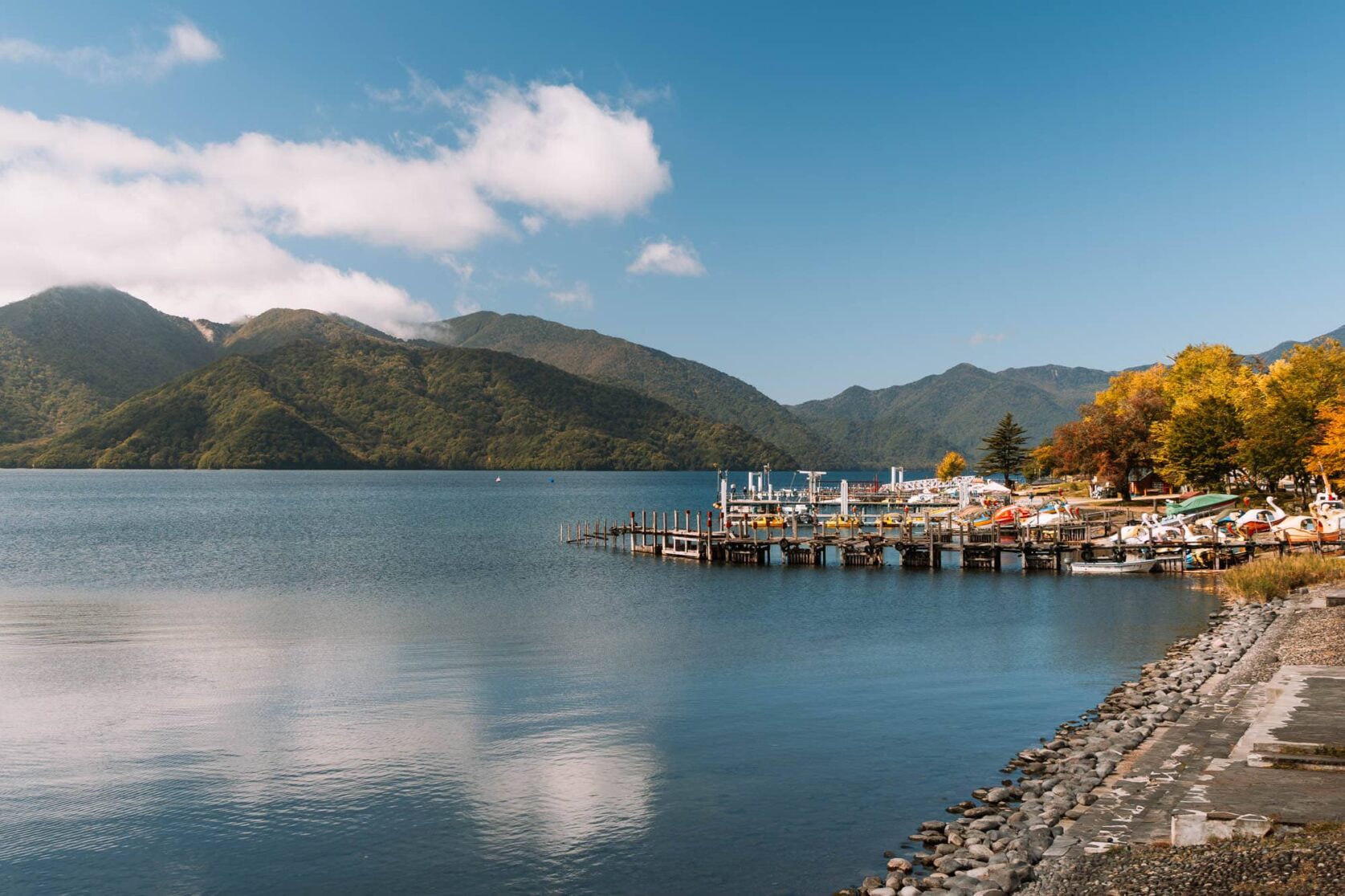
Lake Chūzenji is located high in the mountains of Nikko, at over 1,200 meters (3,937 feet). It lies at the foot of Mount Nantai, the sacred volcano that erupted thousands of years ago and formed this crater lake. Today, it is a peaceful spot with clear blue water. Along the shore lies the small village of Chūzenji Onsen. From here, you can take a boat trip, walk along the shores, or grab a bite to eat in one of the small cafes overlooking the lake.

-
Akechi-daira Ropeway
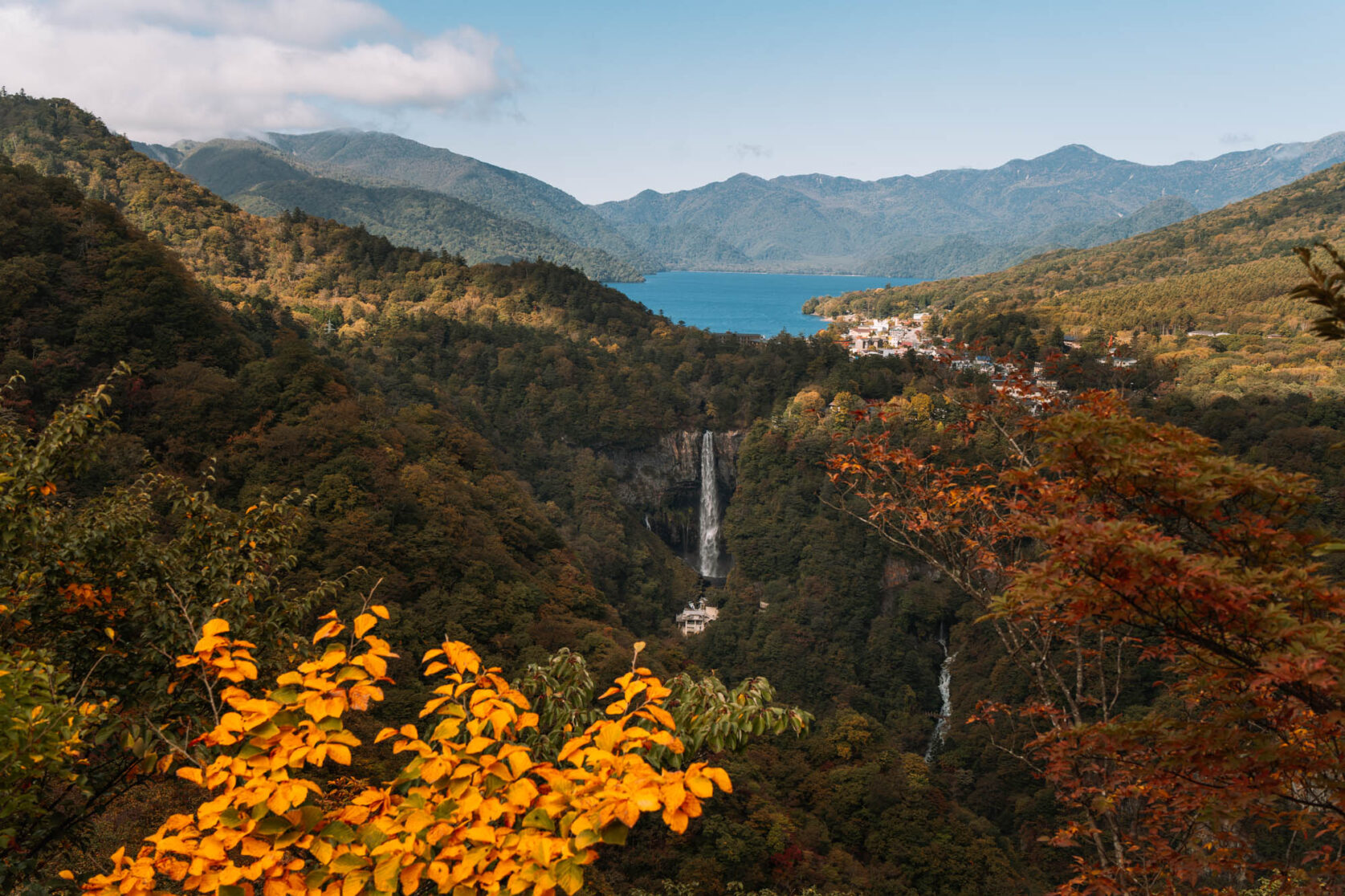
On the way to Lake Chūzenji, you will pass the Akechi-daira Ropeway. This is a cable car that takes you to a viewing platform in just three minutes. You already have a beautiful view from the cable car, but once you arrive at the viewpoint, you can look over the entire Nikko National Park, with the imposing Kegon Falls in the distance. The cable car is open from 9:00 AM to 3:30 PM, and with a bus pass, you get a 10% discount on your ticket.


-
Kegon Falls
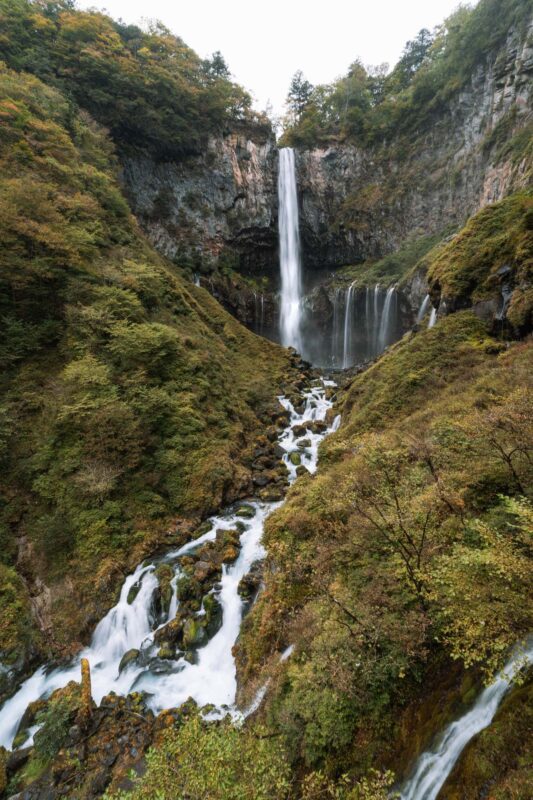
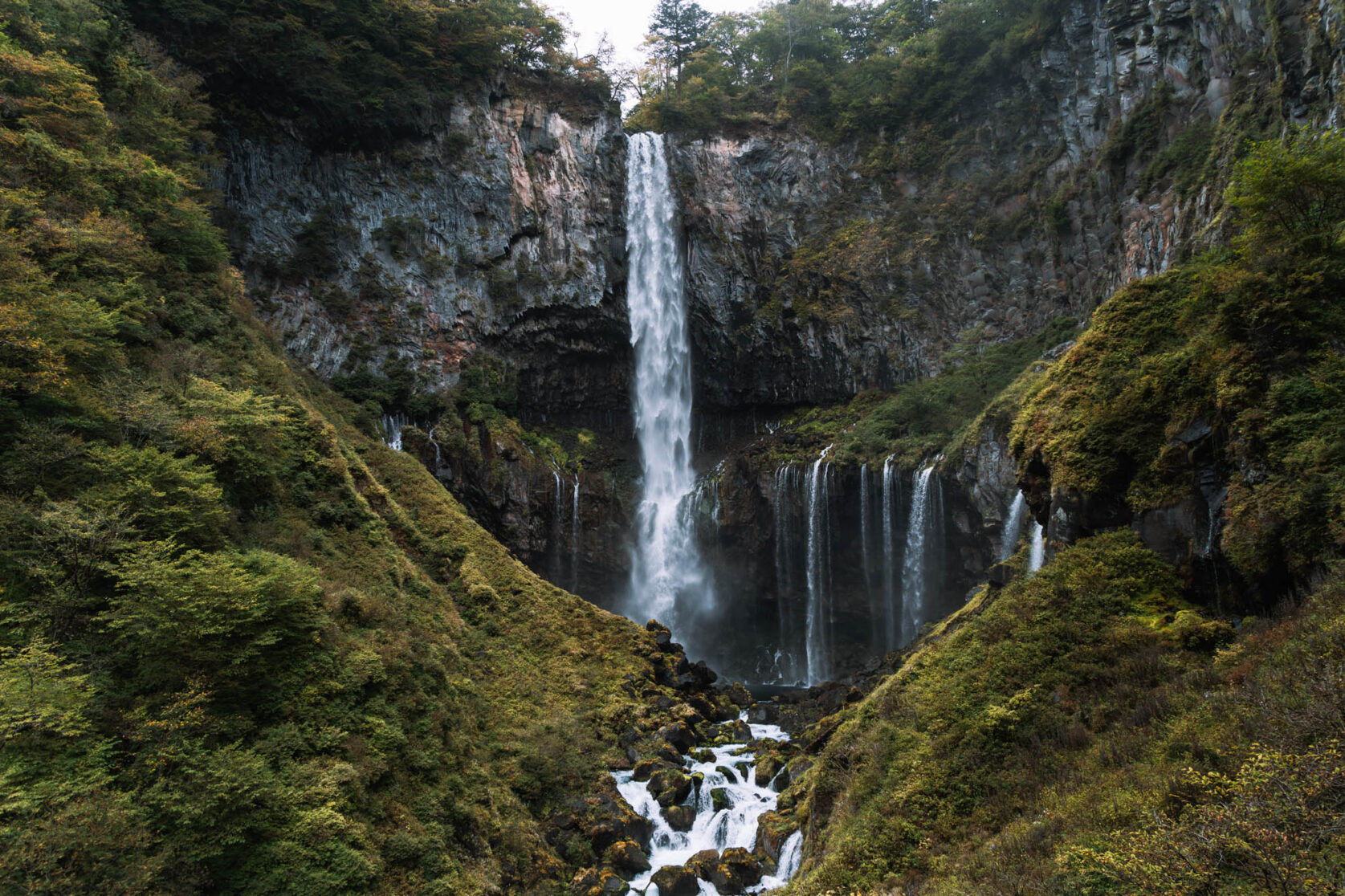
Kegon Falls is undoubtedly the highlight of Nikko National Park. From Lake Chūzenji, the water plunges nearly 97 meters (318 feet) down into a narrow, moss-covered gorge. There are two viewpoints to admire the waterfall. You can visit the upper viewpoint for free, and for the lower viewpoint, you pay a small fee. You reach this latter platform via an elevator that goes 100 meters (328 feet) deep into the rocks. From there, you stand almost at the foot of the waterfall, which is incredibly impressive!

-
Hangetsuyama Observatory
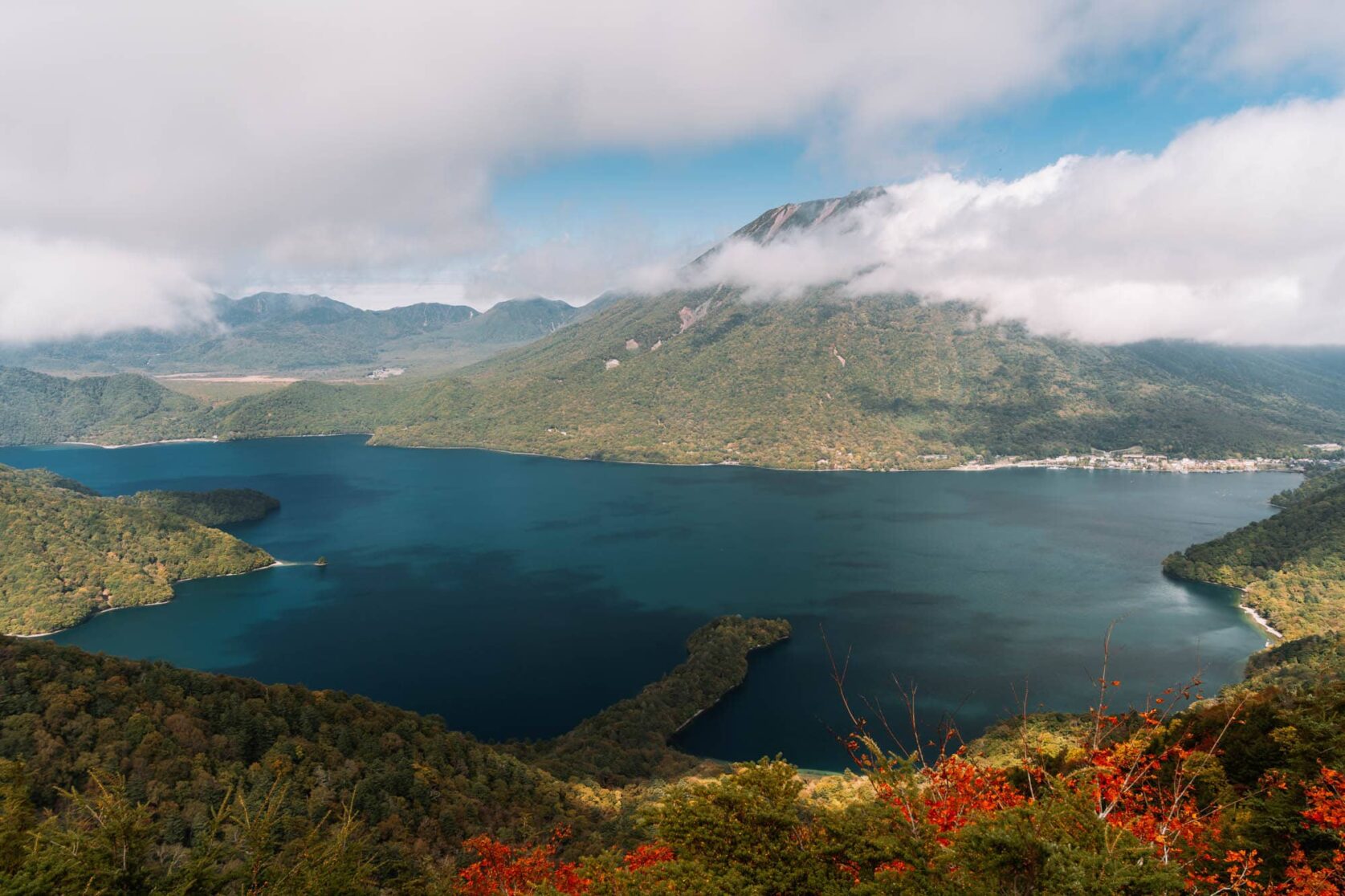
Hangetsuyama is a mountain southeast of Lake Chūzenji. From the summit, at the Hangetsuyama Observatory, you look out over Lake Chūzenji with the imposing Mount Nantai in the background. There are several hiking trails leading to the top. The full climb takes over five hours and is quite challenging. Most people therefore take a rental car, bus, or taxi to the parking lot located about three-quarters of the way up the mountain. From there, it is about a 30-minute hike up through a beautiful forest, along a natural path of stones and tree roots. Note: the path can become slippery after rain.
Tip: From Lake Chūzenji, hop on the bus or arrange a taxi to the parking lot. Make an appointment with the taxi in advance for the return trip or check the bus times. There are only a few buses per day, so you may have to wait a while for the bus back down.


-
Ryuzu Falls
Ryuzu Falls is hidden among dense forests and derives its name from the shape, which is reminiscent of a dragon’s head. The water flows down in two sections, surrounded by trees that turn bright orange and red in the autumn. From a small observation deck at a shop/teahouse, you have a free view of the waterfall. Follow the path upstream via stairs and walkways to discover multiple viewpoints along the river. You can walk from Lake Chūzenji to Ryuzu Falls in over an hour, or take the bus for a faster route.


-
Yumoto Onsen
Ready for some relaxation after checking off all these sights? Then travel to Yumoto Onsen, the highest part of Nikko National Park. This small mountain village lies on the edge of a quiet mountain lake and is surrounded by steaming hot springs that give the whole area a sulfurous smell. The natural onsen have been used for bathing for centuries and provide the perfect conclusion to your day.
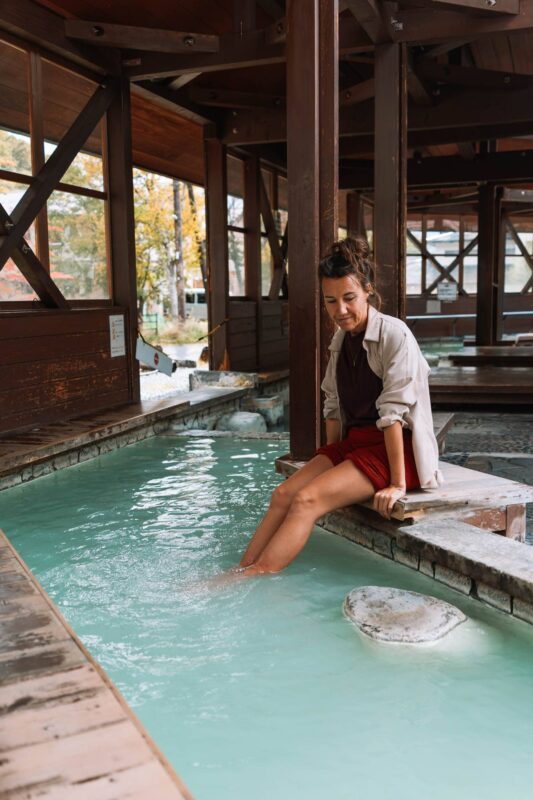
There are several onsen in the village where you can buy a day pass for ultimate relaxation. Just want a taste of the experience? Dip your feet into this public footbath at 50°C (122°F). It is located in the middle of the village and is free to visit.
Tip: Getting hungry? At Nikko Yumoto Rest House, you can have a good bowl of ramen between 11:00 AM and 3:00 PM with a view of the lake.



Tips for good restaurants in Nikko
- Hongū Cafe – This cafe is located next to Shinkyo Bridge, making it the perfect place to settle down after a visit to the temple complex. Order a delicious coffee, matcha, and a tasty bite to eat.
- Meguri Coffee – At this cozy vegan cafe, they serve delicious coffee, but their absolute specialty is the mouthwatering crepes. The interior is also picture-perfect—a must-visit!
- Nikko Pudding Tei Main Store – Here you can taste the most delicious local pudding desserts. Choose your favorite from all kinds of different flavors.
- Indian Restaurant Taj Nikko – Here you can enjoy Indian cuisine in Japan.
- Yuba-gozen Sun Field – This restaurant is known for the local specialty yuba (tofu skins). The menu consists of small dishes where yuba is prepared in various ways.
- Trattoria Gigli – You can have delicious Italian food at this small restaurant. The prices are a bit higher than average, but the food is exquisite! Reservations are recommended.


Where to stay in Nikko?
On the west side of Nikko, near both the temple area and Nikko National Park, lies the tourist center of Nikko. This is a nice, central place to stay. You will find many restaurants and accommodations there, as well as Tōbu Nikkō Station and JR Nikko Station. Another fun but slightly less central base is Nikko National Park. Here you will find only a few accommodations, which are in a beautiful location on Lake Chūzenji. Read below about our three favorite places to stay in various locations.
Our favorite places in Nikko
We kick off with Nikko Beans Hotel, a nice and relatively affordable hotel on Lake Chūzenji. Not only is the location beautiful, but this modern hotel has everything you need for a comfortable stay. You will stay in a spacious room with air conditioning and a private bathroom. You don’t have to leave for good food, as the hotel’s restaurant serves delicious dishes. Note: this hotel is located 15 kilometers (9.3 miles) from the center of Nikko. Do you have a slightly larger budget? Then Fairfield by Marriott Tochigi Nikko is a perfect choice. This luxury hotel is located just outside the center of Nikko in a beautiful green environment. Expect plenty of comfort, nice shared (outdoor) spaces, and friendly staff. Right in the center of Nikko, a three-minute walk from the station, is Nikko Station Hotel 2. The rooms are a bit on the small side but have a comfortable bed, a small fridge, air conditioning, and an en-suite bathroom. A big plus is the location, as all restaurants and public transportation are within walking distance.
  Nikko Beans Hotel Nikko Beans Hotel |
  Fairfield by Marriott Tochigi Nikko Fairfield by Marriott Tochigi Nikko |
  Nikko Station Hotel 2 Nikko Station Hotel 2 |
“`