

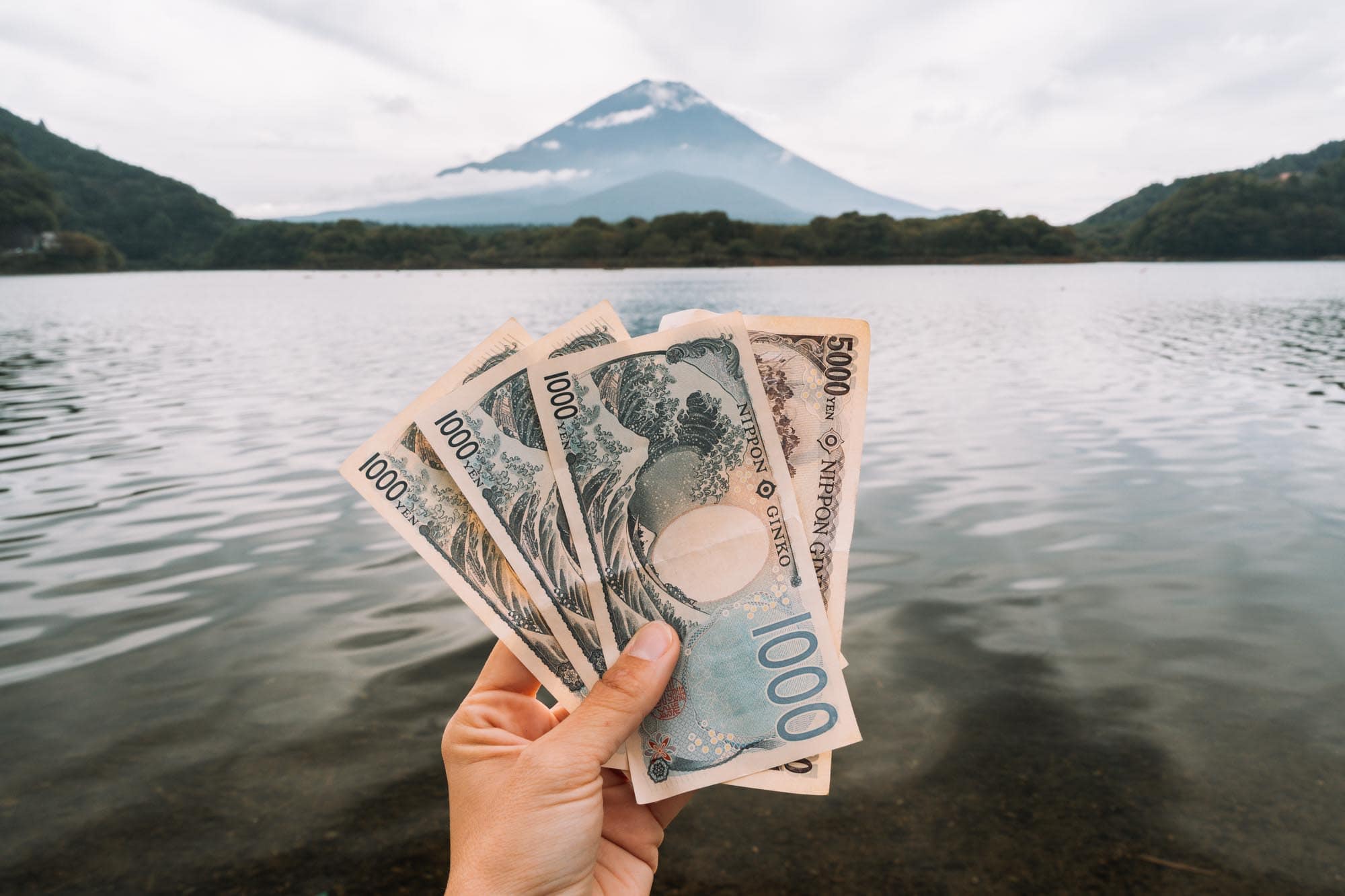
Japan may not be the cheapest travel destination in Asia, but it is a country where you truly get your money’s worth for every dollar spent. From delicious food and extremely reliable public transportation to beautifully maintained gardens and spotless toilets with heated seats, you’ll notice exceptional quality throughout the country. However, a trip through Japan doesn’t have to be expensive at all. By making smart choices, you can keep your Japan budget well under control and tailor your spending exactly to your travel style. In this article, you’ll read about the costs you can expect, the budget options available, and how to travel affordably through Japan without compromising on experiences.
Costs for Food and Drink in Japan
It’s good to know that you can make the cost of food and drink in Japan as cheap or as expensive as you like. In restaurants, you’ll pay an average of between $4 (€4) and $10 (€9) for a bowl of ramen or a Japanese curry. In the evening, you can have a hot meal in a local restaurant or izakaya for $8 (€7) to $20 (€18). Upscale dishes featuring Wagyu beef or fresh high-quality fish can be more expensive, and naturally, there are many luxury restaurants with higher prices on the menu.
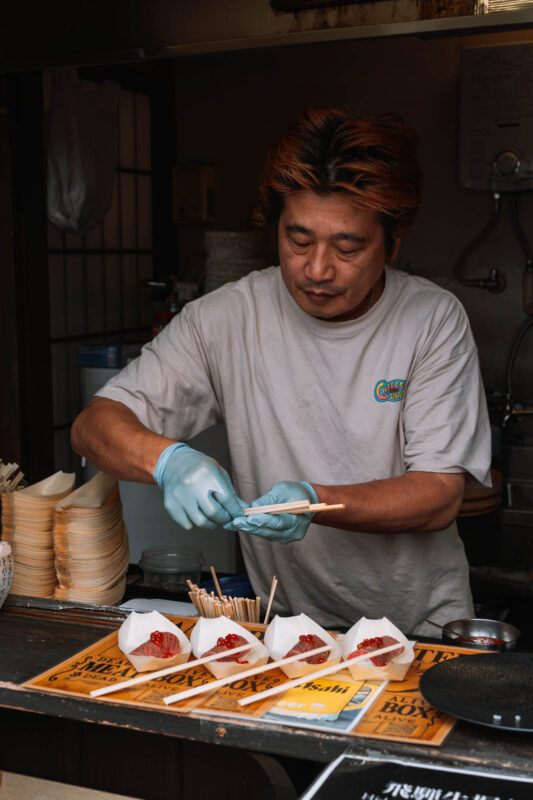
Want to save a bit extra now and then? Pick up a quick snack or grab-and-go lunch at convenience stores like 7-Eleven, FamilyMart, or Lawson. Onigiri (rice balls with fish or seaweed) sell like hotcakes there. They cost less than $1 (€1) each, and one or two of these budget savers satisfy your hunger surprisingly well. You can also pick up fresh meals (bento boxes) for a few dollars, or in the morning, have a cup of frozen fruit blended into a smoothie. For coffee, you might pay less than $1 (€1) for a warm bottle from a vending machine, up to about $6 (€5) for a cappuccino in a trendy coffee shop. And of course, there is the delicious and affordable street food you’ll encounter everywhere in Japan.
If you are traveling on a small budget, you can eat very well in Japan without spending much. Convenience stores and street food stalls will easily help you keep your budget in check.



Costs for Transportation in Japan
Traveling by public transport in Japan is excellently organized. It is affordable and often even cheaper than in many Western countries. It is primarily the long-distance trips that add up, though you get ultimate speed, punctuality, and comfort in return. Within cities, you’ll mostly travel by subway or regional train. A ride costs between $1 (€1) and $2 (€2.20), depending on the distance. Buses are slightly cheaper but take longer. For longer distances, the Shinkansen (bullet train) is the most famous option. From Tokyo to Osaka, for example, you’ll pay $110 (€100), and you’ll arrive in less than three hours. Cheaper alternatives include night trains or buses, which cost between $22 (€20) and $61 (€55) but take eight to ten hours.
How much you spend per day on travel depends heavily on the distances you cover and the mode of transport you choose.
Tips for Determining Your Travel Costs
- In many cities, you can buy a free pass for public transport at the station or online. With this pass, you can enjoy unlimited travel for one or more days on the subway, or subway + bus. Be sure to check which lines and modes of transport are specifically included. Such a pass is especially beneficial if you are making many trips in a short period.
- Via Google Maps, you can see very accurately how long a trip takes and what it costs. It’s ideal for planning your day and estimating your budget.
- It is highly recommended to purchase an IC card upon arrival in Japan. This is a prepaid transit card where you only pay for the distance you travel, ensuring you never pay too much. You can buy these at major stations.


Costs for Activities and Tours
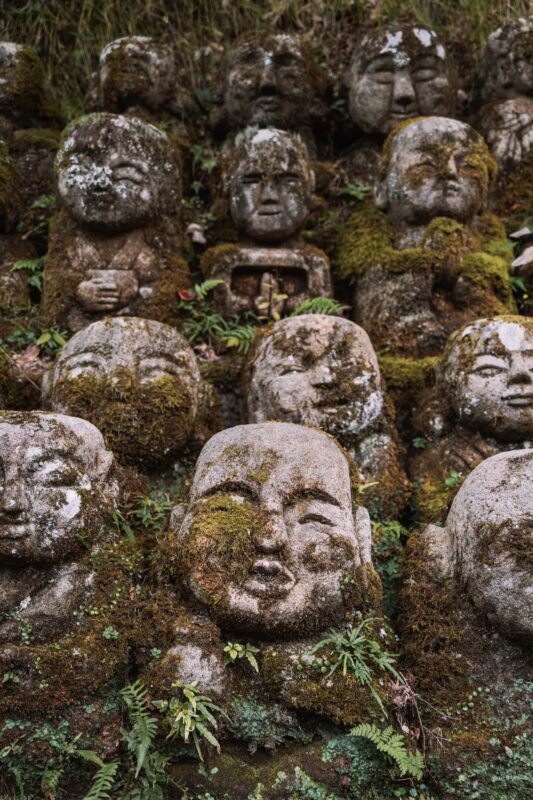
When it comes to activities, Japan offers plenty of variety. Many beautiful spots are accessible for free, such as many temples where you can wander around at no cost. If you want to enter a specific temple, garden, or park, you usually pay a small entrance fee. Costs vary p
er location but are often around $3 (€2.50) and can go up to about $7 (€6).
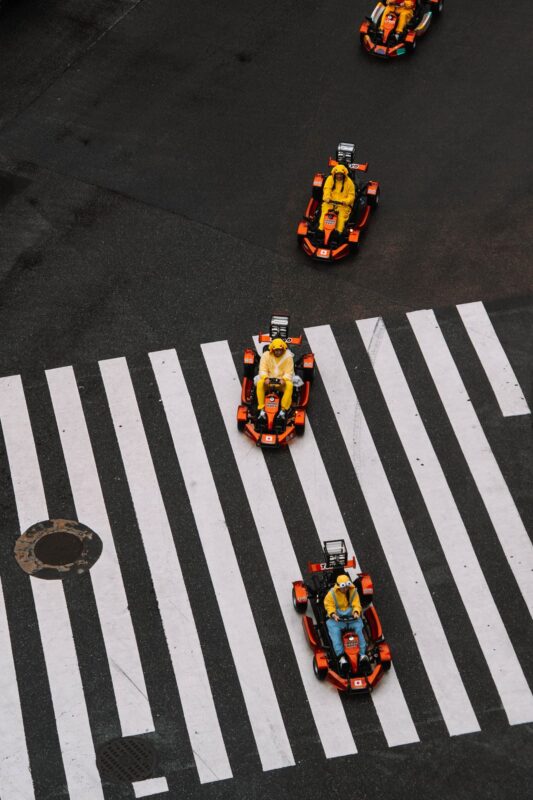
Organized tours are generally a bit pricier. A temple tea ceremony in Kyoto is quite affordable at around $22 (€20), but in Tokyo, you’ll pay about $88 (€80) per person for popular activities like a sumo show including dinner or street karting. A food tour in Tokyo costs approximately $55 (€50) to $99 (€90), though this usually includes many snacks and drinks. Your budget in Japan will depend heavily on what you plan to do.


Costs for Accommodations in Japan
A large portion of your travel costs in Japan will go toward accommodations. While you can keep costs low with food and drink, that flexibility is more limited with lodging. Especially in major cities, prices are higher if you want to stay in a central location. For a double room in a well-rated accommodation, you’ll easily pay $77 (€70) to $110 (€100) per night. If you’re looking for more luxury, prices quickly climb higher. Of course, there are cheaper options if you have fewer requirements. If you are traveling on a tight budget, there are also capsule hotels where you stay in a pod for one or two people. Hostels are also found in most destinations, though private rooms are often limited. If you want to travel low-budget through Japan, booking early is a must.
Tip: View the overview of favorite accommodations in Japan to get a good idea of the costs for high-quality stays.


Average Daily Costs in Japan
Traveling through Japan can be as cheap or expensive as you want. For budget travelers, the average daily budget is around $77 (€70) to $88 (€80) per day, excluding the flight to Japan. This involves sleeping in simple hostels or guesthouses, eating at local restaurants or getting meals at the supermarket, and primarily traveling by regional trains. Those opting for more comfort will quickly spend around $110 (€100) to $165 (€150) per day. Think of nice mid-range hotels, regularly dining at pleasant restaurants, fast trips on the Shinkansen, and an occasional tour. Every traveler in Japan can find a style that fits their own budget and way of traveling.
Note: Costs are also highly dependent on the period in which you visit Japan. During the cherry blossom season from late March to mid-April, accommodation prices can be three times higher than in other months. You’ll travel most affordably through Japan during the winter months.