

If your journey through Japan starts in Tokyo, you’ll be thrown headfirst into everything that makes this country so unique. Tokyo is a metropolis where you’re constantly balancing between extremes. Nowhere else in the world are old and new, calm and chaos, tradition and hypermodernity so close together. It’s a city that never sleeps, yet one where you can always find moments of stillness. Tokyo is surprising and overwhelming, intense yet refined. With its 23 distinct neighborhoods, each with its own character and vibe, you could easily spend a week (or more) immersing yourself in everything Japan has to offer. To help you make the most of the world’s largest metropolis, I’m sharing my tips for the best things to do, top hotspots, and practical advice to get the most out of your stay!


How do you get from the airport to Tokyo?
Many travelers begin their Japan journey in Tokyo, and you’ll most likely arrive at Narita Airport. From there, you can easily walk through the arrivals terminal to the train connections and take public transit to your part of the city. Pick up a Suica card at the station right away – it’s a rechargeable transit card you can use on all public transportation throughout Japan.
Getting around Tokyo
With nearly 39 million residents, you might expect getting around the city to be a nightmare – but it’s actually surprisingly easy. The best way to get around Tokyo is by public transit. The subway is fast, clean, and incredibly reliable. You can get from one side of the city to the other in under an hour. Combine that with a few short walks and you’ll get everywhere without sitting in traffic. For shorter distances, ride-hailing apps like Uber or Go are also a great option in Tokyo.
Tip: Get a Tokyo Metro discount pass valid for 24, 48, or 72 hours, including the train ride from the airport to the city center. Convenient and great value if you’re planning to pack a lot into your Tokyo visit.


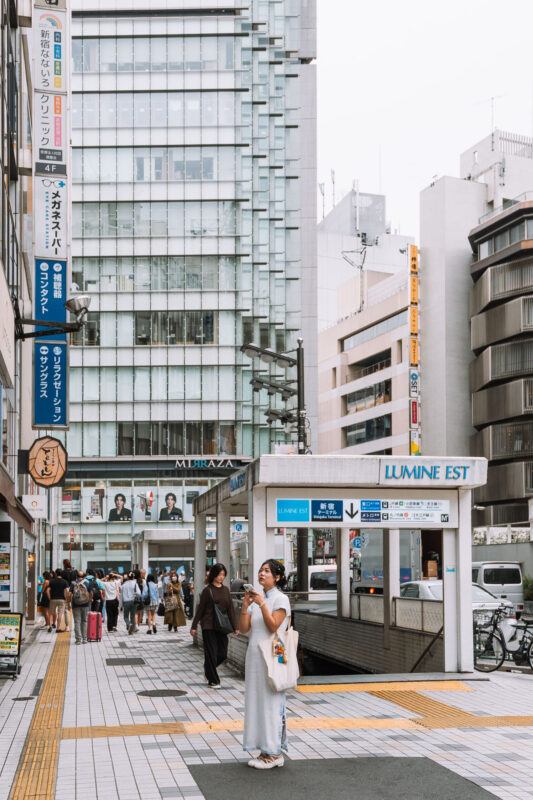

What to do in Tokyo?
There is so much to do, see, and taste in Tokyo that it can quickly feel overwhelming. But once you dig a little deeper, you’ll notice that the city is divided into distinct neighborhoods, each with its own atmosphere. Below, we first highlight a few standalone attractions, followed by a neighborhood-by-neighborhood guide to all the things you can do and see.
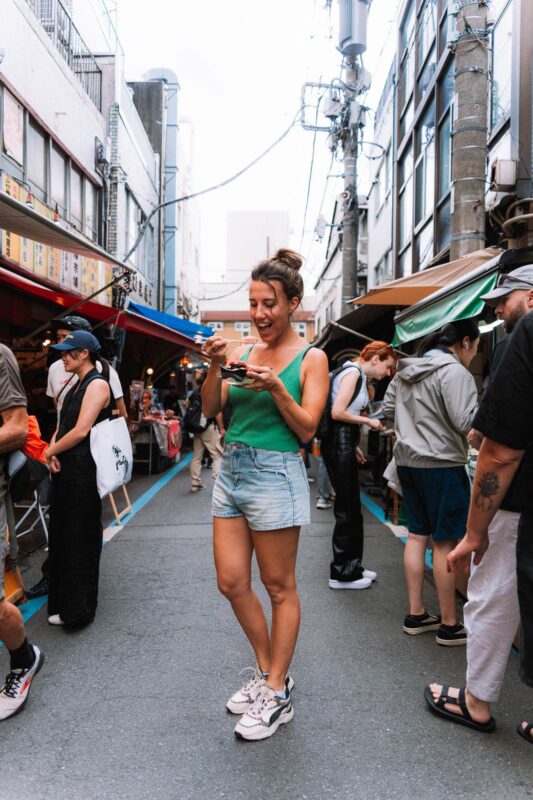
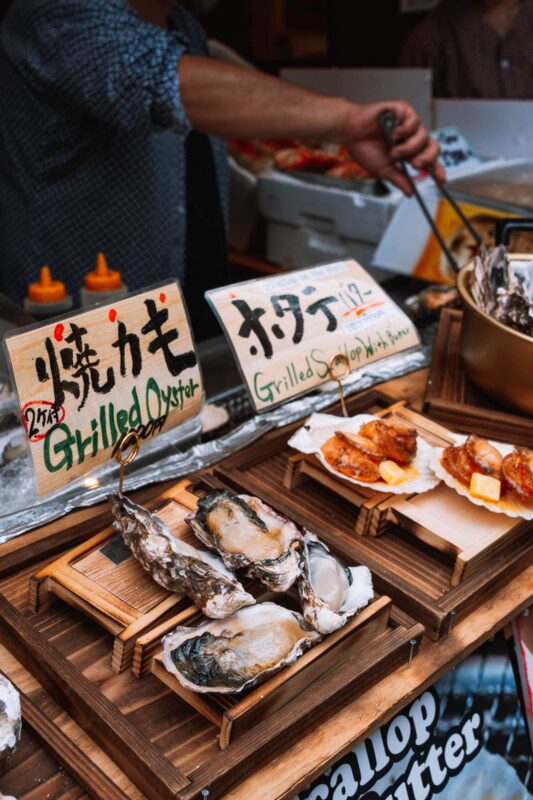
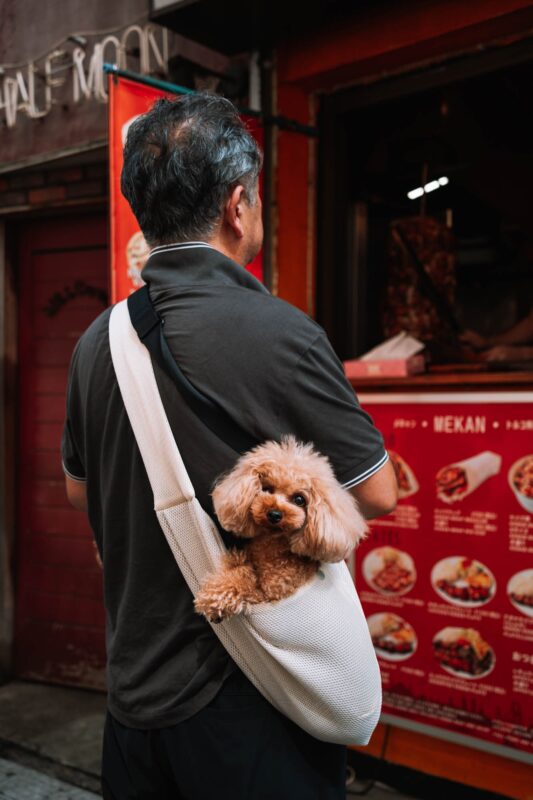
Snack your way through Tsukiji Fish Market
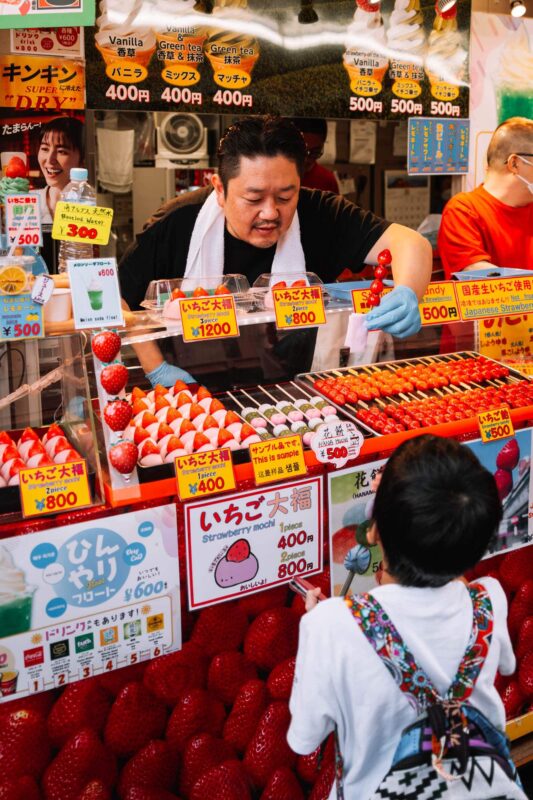
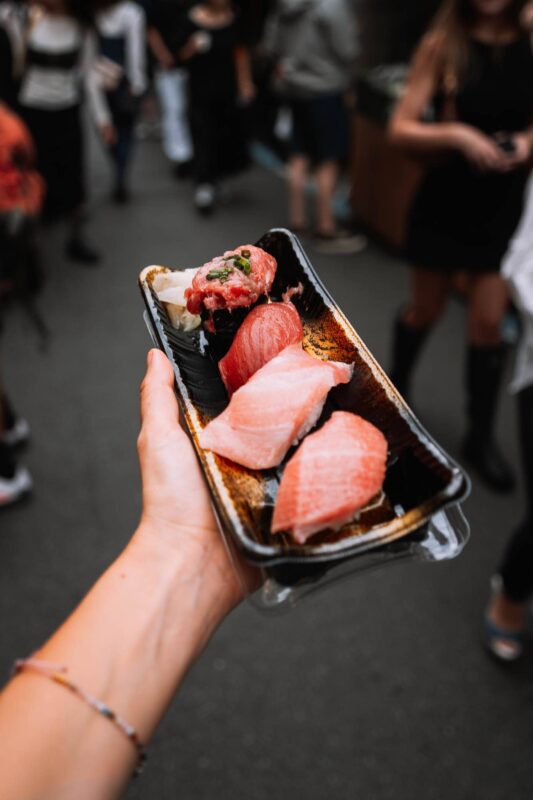
Tsukiji Fish Market was once the largest fish market in the world and the beating heart of Tokyo’s seafood industry. Since 2018, the wholesale operations have moved to the new Toyosu Market, but there’s still plenty to experience at Tsukiji. It’s a maze of narrow alleys packed with market stalls and small eateries where you can sample all kinds of food. Try super fresh bluefin tuna sushi, tamagoyaki (Japanese rolled omelette), or a bowl of donburi (a rice dish with braised fish and vegetables). The best time to visit the fish market is early in the morning.


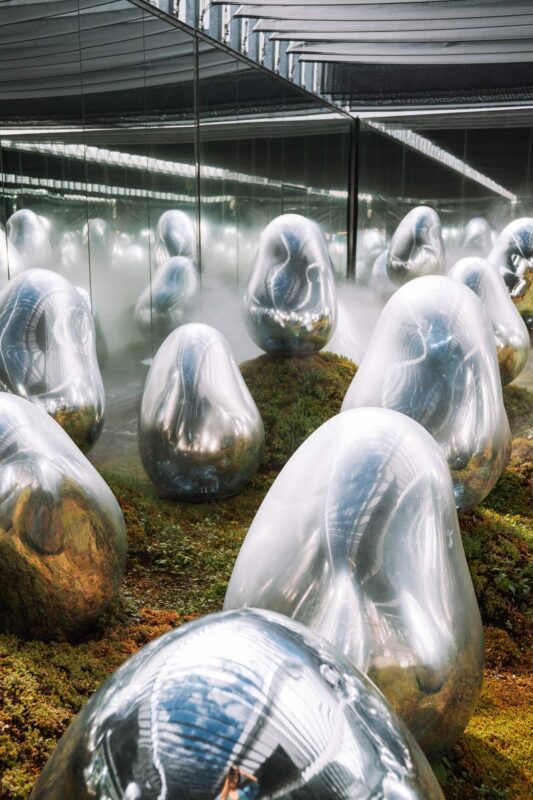
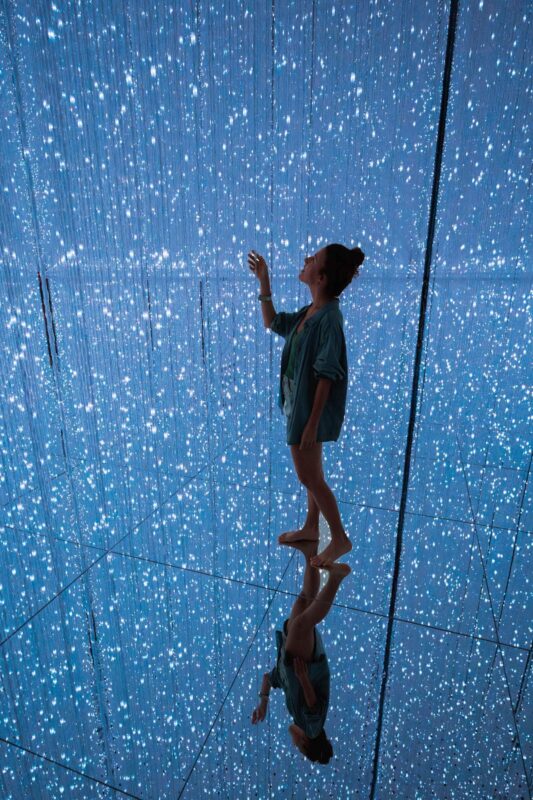
Visit the interactive museum teamLab Planets TOKYO
This is no ordinary museum – it’s an experience that engages all your senses. teamLab is world-renowned for its mesmerizing light installations and interactive spaces where you literally become part of the artwork. The atmosphere is magical, dreamlike, and calming all at once, as if you’ve stepped into another world entirely. I won’t give too much away, but one thing is certain: this is an experience you don’t want to miss in Tokyo! Avoid wearing short skirts due to the mirrored floors, and if you’re wearing long pants, choose something you can easily roll up – part of the route goes through water.
Advance booking required: Since visitor numbers per time slot are limited, it never feels too crowded. Tickets are only available online and become available about two months in advance. Book early, as popular time slots sell out fast.


Take it all in at Akihabara Electric Town
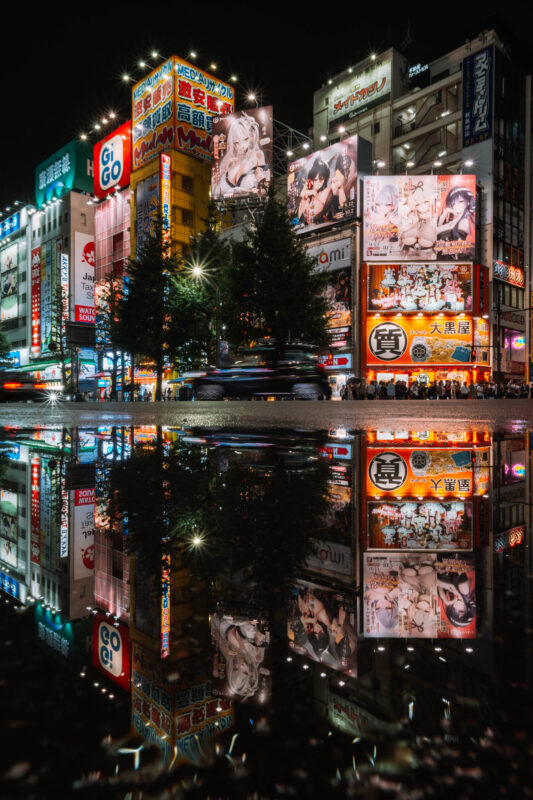
This is the place where technology, gaming, and Japanese pop culture collide into one completely overstimulating spectacle. The moment you step out of the station, you’re hit by flashing neon signs, giant anime figures, and stores stacked floor to ceiling with manga and retro games. Everything blinks, makes noise, and moves – it feels like you’ve landed inside a video game. You’ll find endless rows of shops filled with collectibles, cosplay accessories, and limited-edition figures. Must-see stops include Yodobashi Camera for the latest tech and Super Potato for nostalgic retro games. In between, you can sing karaoke in a game café, watch people play pachinko (a Japanese arcade gambling game), or step into a maid café where servers in cute costumes serve you tea.


The best places to shop in Tokyo
Tokyo is bursting with unique stores, both big and small. From massive electronics shops and game stores to gashapon shops full of vending machines where you can crank out little capsules with surprise figurines. These playful stores are quintessentially Japanese and a hit with people of all ages.
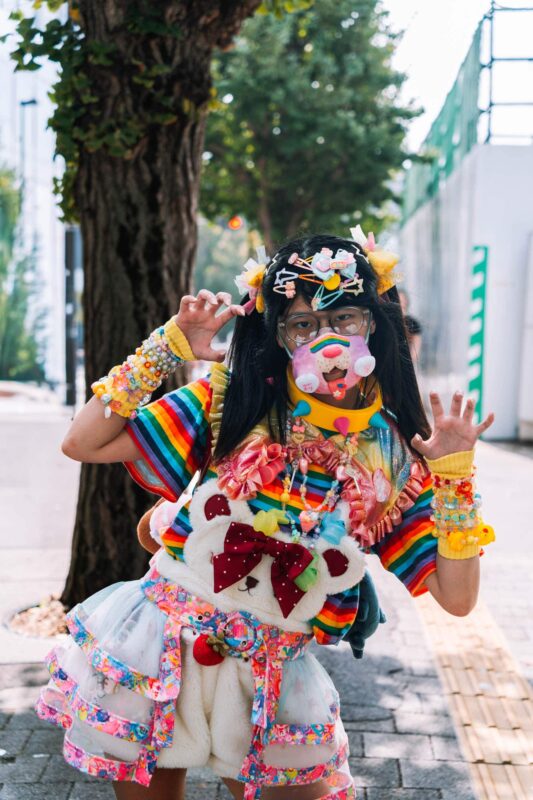
- For fashion and creativity, head to the Harajuku neighborhood. The moment you step off the subway, you’ll find yourself on Takeshita-dori, a bustling street full of brightly colored clothing and quirky little shops. Walk further and you’ll discover quieter side streets with one-of-a-kind boutiques and stylish cafés.
- The Shimokitazawa neighborhood is a local favorite, packed with vintage stores, record shops, and cozy coffee spots. The vibe is laid-back and a little alternative – perfect if you enjoy creative finds away from the busy city center.
- Looking for luxury? Then Ginza is the place to be in Tokyo. This upscale shopping district is home to flagship stores from brands like Chanel, Uniqlo, and Muji. Even if you’re not buying anything, it’s well worth strolling through the beautiful streets.


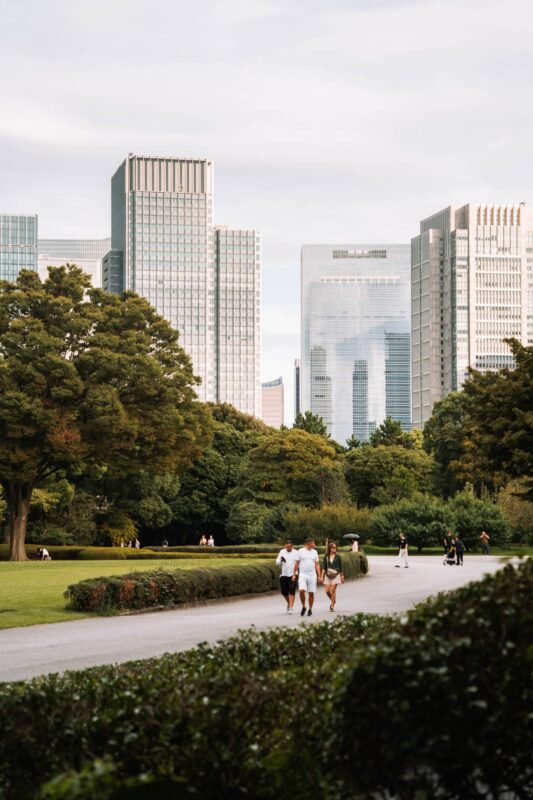
Stroll through the gardens of the Imperial Palace: Kōkyo
The Imperial Palace Kōkyo is the official residence of the Japanese Imperial Family, which means only a small part of the grounds are open to visitors. The best area to explore is the East Gardens (Kōkyo Higashi Gyoen). You’ll walk past the remains of old castle walls, stone gates, koi ponds, and perfectly manicured gardens. In spring, the cherry trees here are stunning, while fall fills the park with warm, rich colors. The gardens are free to enter but closed on Mondays and Fridays.
Those who want to see the inner palace grounds can join a free guided tour held twice daily. You’ll need to reserve in advance through the official website and bring your passport to show at the entrance on the day. The tour takes you through the outer grounds, past ceremonial buildings and the areas where official state receptions are held.



Explore Tokyo with a local on an e-bike tour
Want to get to know Tokyo quickly and see a lot in a short amount of time? Then this e-bike tour is the best way to do it! Alongside a local who knows every corner of the city, you’ll glide through vibrant neighborhoods, quiet alleyways, and past spots you’d otherwise walk right by. You can choose from three different routes, each with its own distinct character. The Tokyo route is all about culture and atmosphere, with stops at Tokyo Station, the Imperial Palace, and a beautiful Japanese garden. The Tokyo Bay route treats you to open space, fresh sea air, and futuristic vibes in the Odaiba neighborhood. And on the Tokyo Tower route, you’ll discover the perfect mix of ancient temples, modern skyscrapers, and green city parks. Whichever route you choose, you’ll see Tokyo as it truly is – and that’s what makes this bike tour one of the best ways to experience the city.


Day trip to Nikko or Mount Fuji from Tokyo
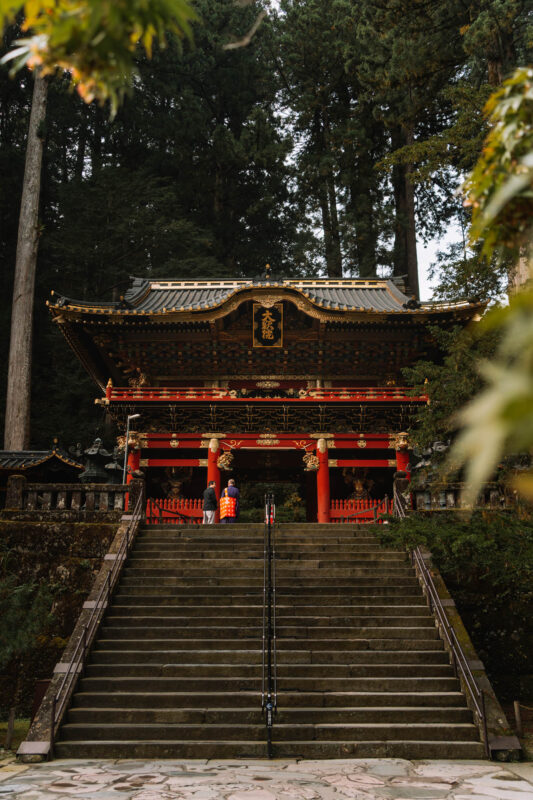
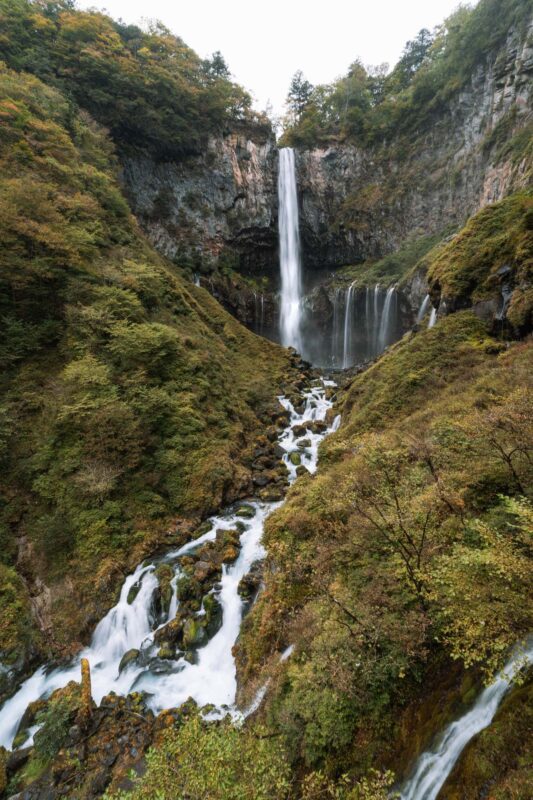
A visit to Nikko is one of the most beautiful day trips you can take from Tokyo. It’s a place where you leave the city’s hustle behind and embrace the peace of nature. Culture and nature come together beautifully here: ornately decorated temples nestled among ancient cedar trees, babbling rivers, steaming hot springs, and waterfalls cascading down the mountains. From Tokyo, you can reach Nikko in about two hours, making it an ideal destination for a day trip.
If you only have one day for Nikko, it’s worth booking this Nikko day tour. It takes care of transportation between the various attractions so you won’t lose time waiting for buses. If you have more time, it’s definitely worth spending the night and exploring the area at a leisurely pace – Nikko has more than enough to fill several days. Check out my tips for Nikko to see everything there is to do.
Tip: Another great tour from Tokyo is the Mount Fuji day trip, where you’ll visit several scenic spots with views of the iconic volcano – weather permitting.


Tips for the Shinjuku neighborhood
Shinjuku is the heart of Tokyo that never seems to sleep. Skyscrapers, shops, karaoke bars, and izakayas (Japanese gastropubs) all blend together here. You’ll find the busiest train station in the world, a major business district, and right next to it, one of the city’s most popular nightlife areas.
Stroll through the stunning gardens of Shinjuku Gyoen
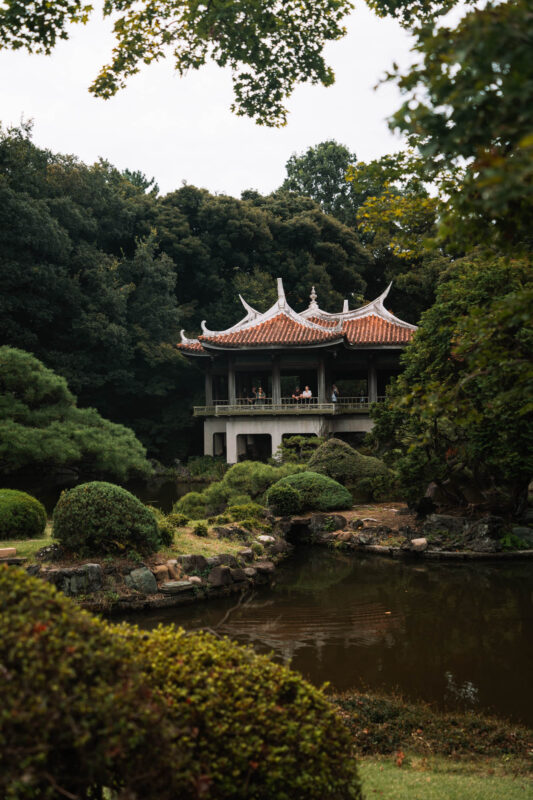
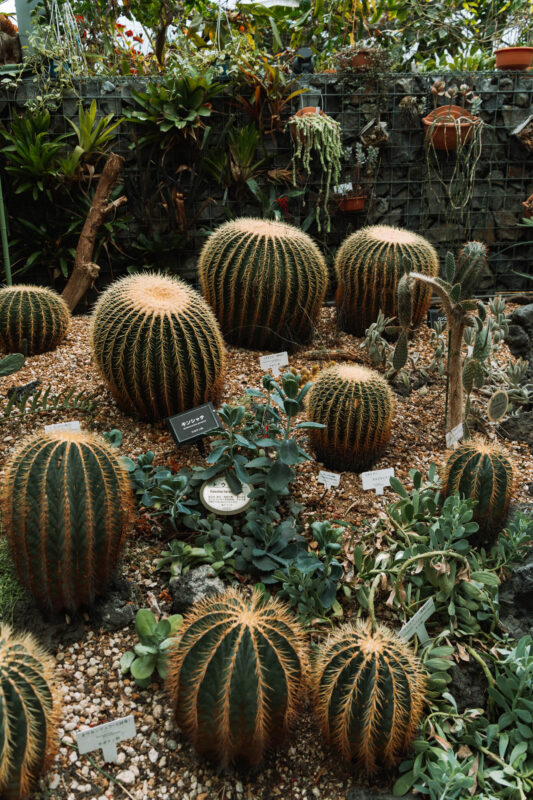
Shinjuku Gyoen was once a private estate, but today it’s a sprawling park of over 58 hectares (143 acres) with beautifully landscaped gardens, open lawns, and a greenhouse full of tropical plants. In the middle of busy Shinjuku, this place is a true oasis of calm where you can escape the noise of the city. In spring, Shinjuku Gyoen is one of the most beautiful spots in Tokyo to experience sakura (cherry blossom season). More than a thousand cherry trees turn the garden pink, and people spread out their blankets for a picnic under the blossoms. In fall, everything transforms into warm shades of red and orange.
Heads up: During cherry blossom season, it’s smart to buy your ticket in advance. Outside of that period, you can pay at the entrance on the day.


Best of Izakaya food tour: Discover the best flavors of Tokyo
A food tour in Tokyo is one of the most fun ways to kick off your trip to Japan! As you wander through the lively streets of Shinjuku, you’ll sample a variety of dishes, sip sake, and learn all about Japanese food culture. One of the best food tours in Tokyo is the Best of Izakaya food tour – not only do you get to enjoy the food, but you’ll also learn about the traditions and customs that come with a real izakaya experience. An izakaya is best described as a cross between a pub and a tapas bar: a lively, casual spot where people gather after work to eat, drink, and unwind.
Tip: If you’re working with a tighter budget, this more affordable food tour is a great alternative. The bites are a little more casual, but you’ll still eat incredibly well and learn everything about Japanese cuisine.


Snack on yakitori in Omoide Yokocho (Memory Lane)
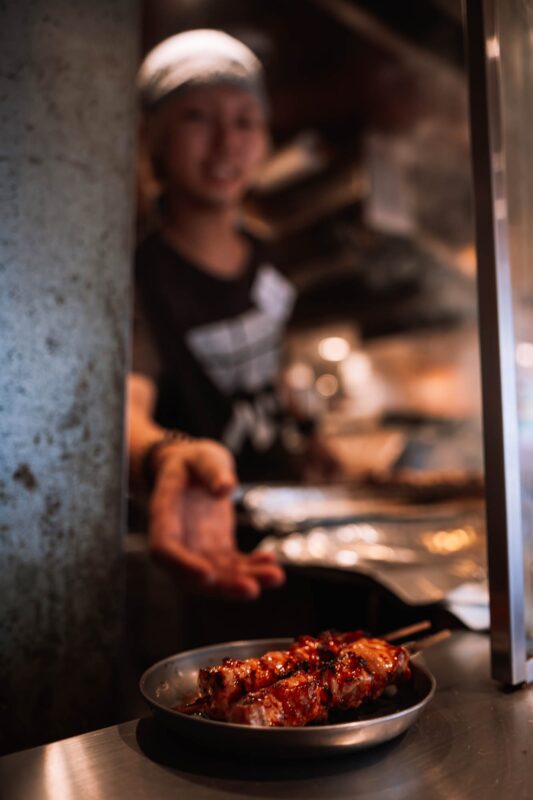
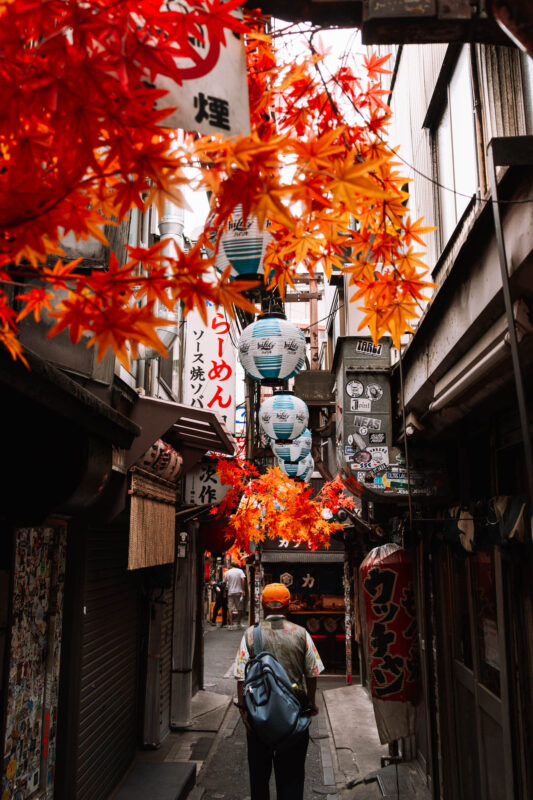
Step into one of the narrow alleyways right in the middle of Shinjuku, surrounded by colorful neon signs, and you’ll feel instantly transported to the Tokyo of the past. The maze of narrow lanes with glowing lanterns, decorations, and tiny eateries feels almost like a movie scene. The alley known as Omoide Yokocho is popular with Shinjuku locals who come here after work for yakitori (grilled chicken skewers). A few spots open up in the afternoon, but the neighborhood really comes alive once evening falls.
Better to skip in Tokyo: Along with Iceland and Norway, Japan is one of the last countries in the world that still hunts whales. In the 20th century, many whale species were nearly driven to extinction by mass hunting, and these animals are still killed today using explosive harpoons – a practice that causes immense suffering. Whales play an essential role in healthy oceans and help absorb CO₂ from the atmosphere. If you’d rather not support the controversial whaling industry, skip ordering whale meat in Japan.


Explore the Kabukichō neighborhood at night
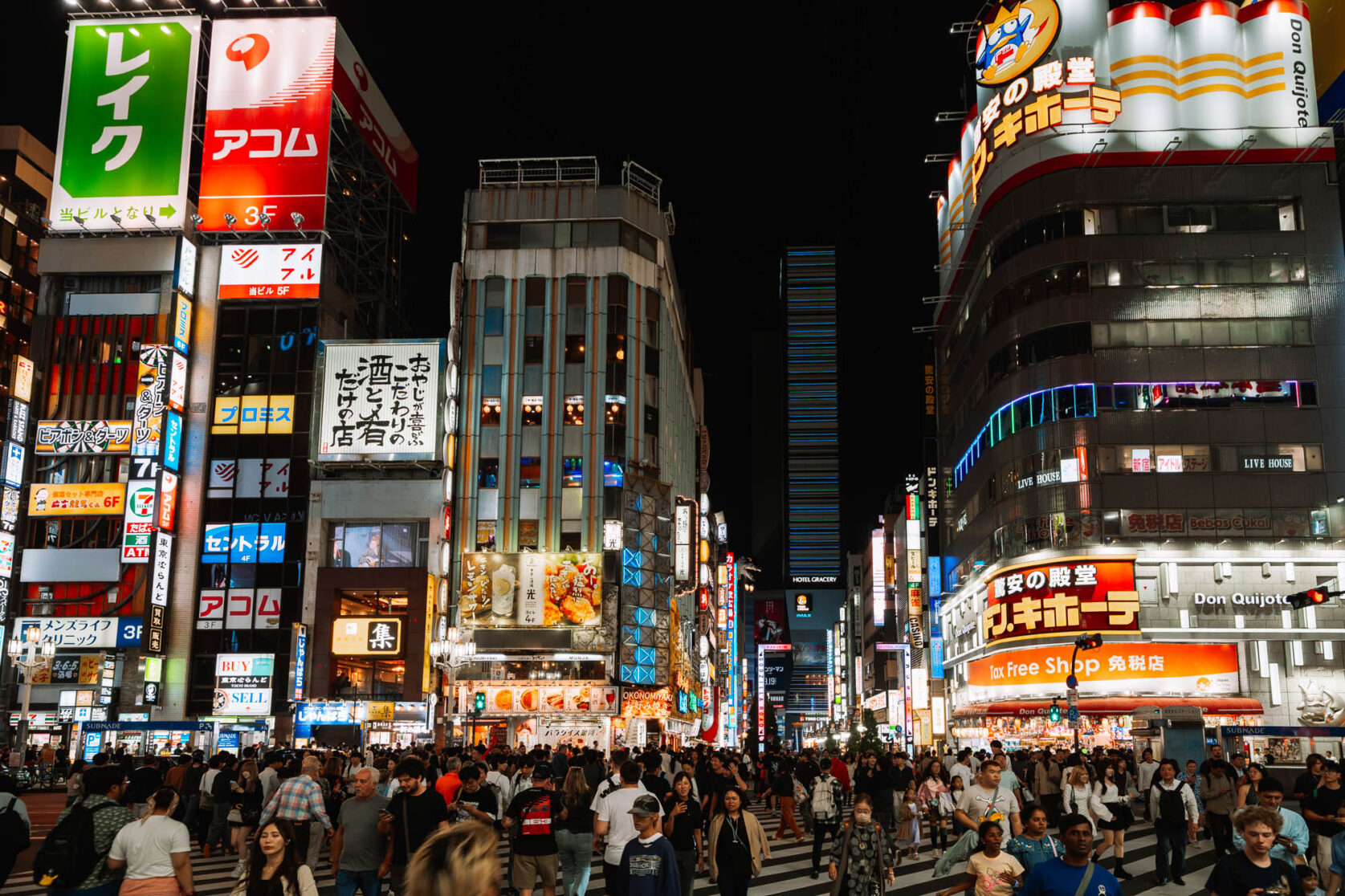
Kabukichō is perhaps Tokyo’s most intriguing neighborhood. Originally envisioned as a cultural center, it grew into the heart of Tokyo’s nightlife. You’ll find everything that makes the city so intense: karaoke bars, arcade halls, host clubs, love hotels, and hidden cocktail bars.
Kabukichō is also where you’ll get a glimpse into a fascinating side of Japanese culture: the world of host and hostess clubs. These establishments aren’t just about flirting – they’re about attention and escape from the pressures of everyday life. A modern spin on this concept is the “rental boyfriend or girlfriend” experience. These are young men and women you can “hire” for a few hours to go for a walk, grab a meal, or simply have a conversation – all strictly platonic. To outsiders, this might seem strange, but in Japan, where many people live alone and social interaction is often limited to the workplace, it serves a real emotional purpose. It’s not about romance or anything physical – it’s about connection, something that’s often missing in the daily grind. The most popular hosts in the city are even treated like celebrities, with life-size posters displayed on buildings and trucks.
Heads up: Kabukichō is much more accessible and safer than it used to be, especially since the city cleaned up the area. That said, be cautious around clubs where touts aggressively try to pull you inside – these are often tourist traps with unclear or very steep prices.

Grab a drink in the lively Golden Gai neighborhood
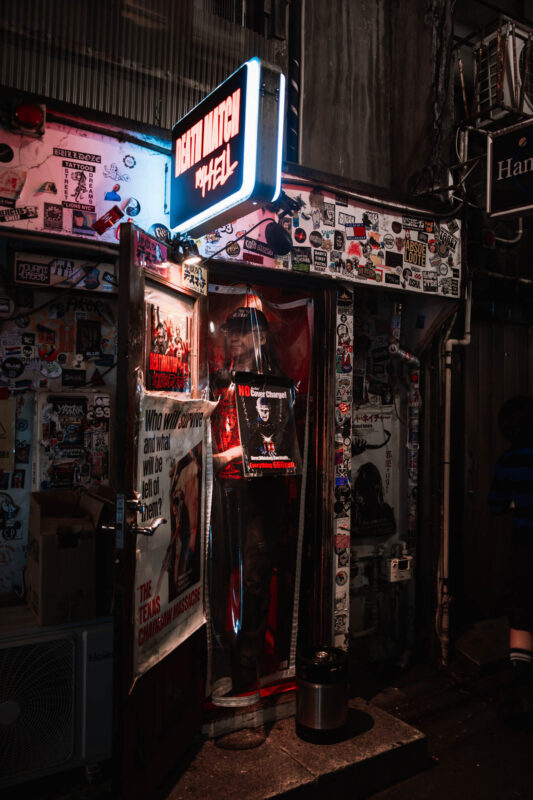
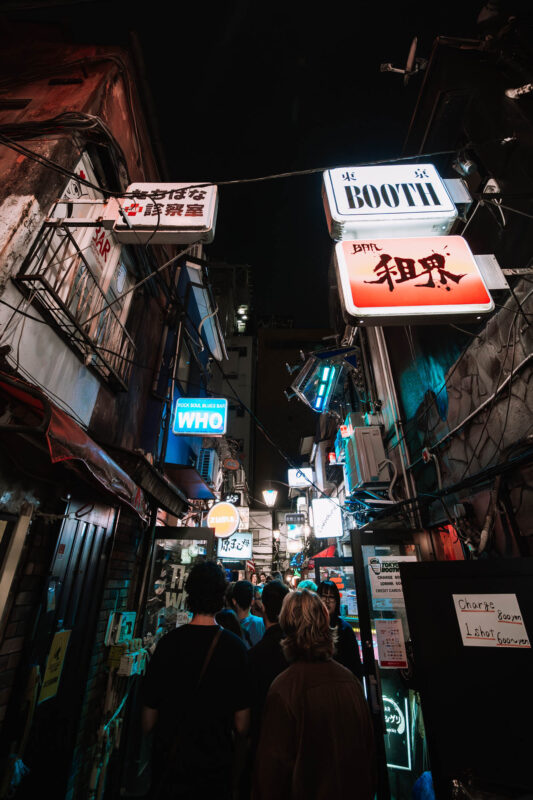
Just a few steps behind the bustle of Kabukichō lies Golden Gai. This neighborhood is a maze of six narrow alleyways hiding more than 200 tiny bars and cafés. At first glance it looks a little rough around the edges, but that’s exactly what gives it its charm. A night in Golden Gai is like going on a little adventure – behind every door is a bar with its own personality: rock and film themes, vintage interiors, or walls covered in old photos and books. The spaces are so small that they often fit no more than six to ten people.
Step in respectfully, make eye contact with the owner, and politely ask if there’s room – don’t just sit down. Don’t take it personally if a bar doesn’t let you in; some simply don’t have space, and places with “Members Only” or “No tourists” signs are protecting their regulars. Just move on to the next door – there’s plenty to choose from. Golden Gai really comes alive after 10:00 PM, and among travelers, the artsy “Albatross” and “Bar Champion” are popular picks.
Good to know: Prices in Golden Gai are a bit higher than average, and there’s often a small cover charge of 500 to 1,000 yen. Where the cover is higher, drinks tend to be a little cheaper, and vice versa – handy to keep in mind if you’re planning to bar-hop or settle in for the evening. Cash is the norm here.


Tips for the Shibuya neighborhood
Shibuya is all about fashion, music, and nightlife, making it one of Tokyo’s most dynamic and iconic neighborhoods.
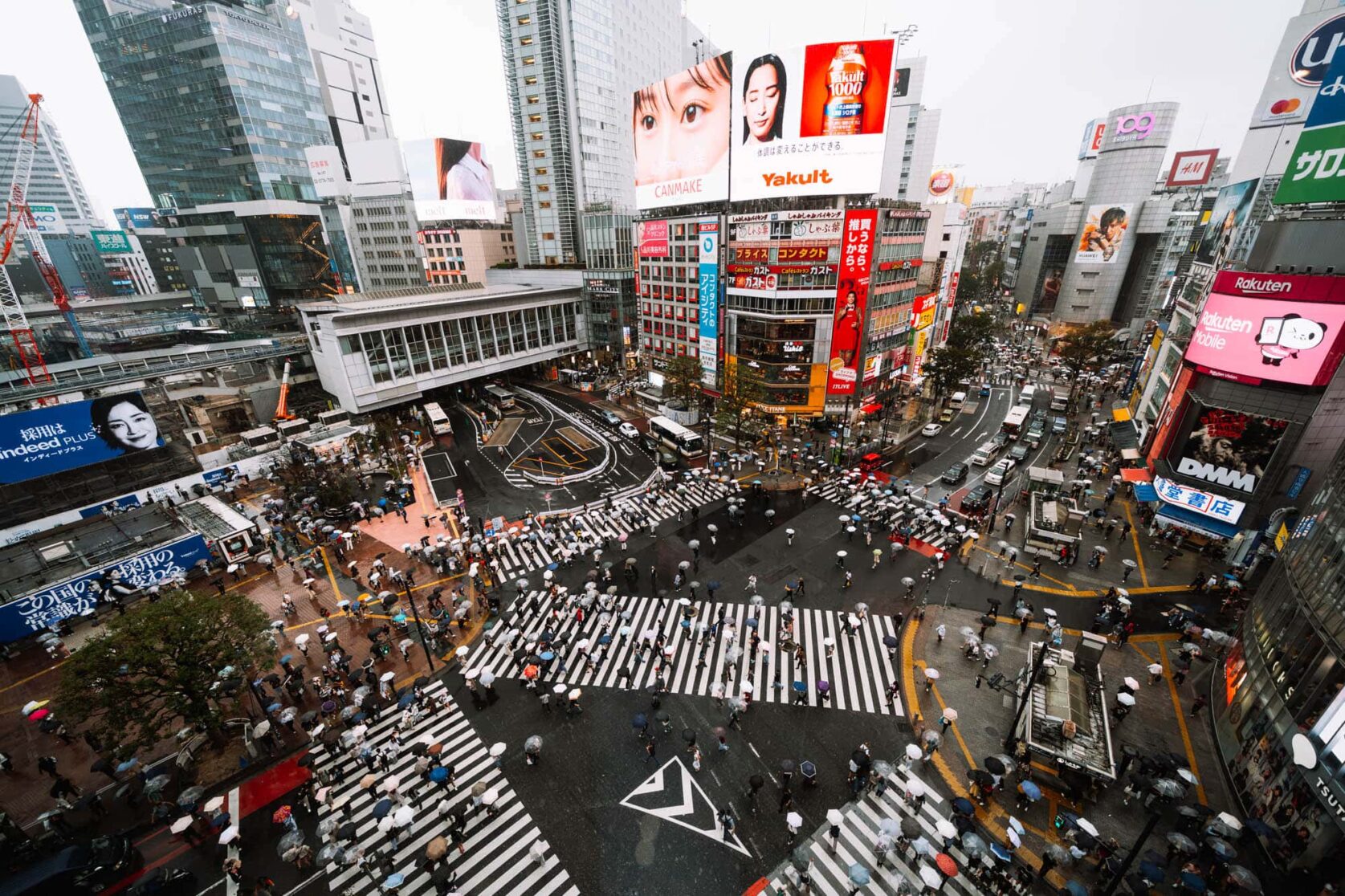
Walk across the world’s busiest intersection: Shibuya Crossing
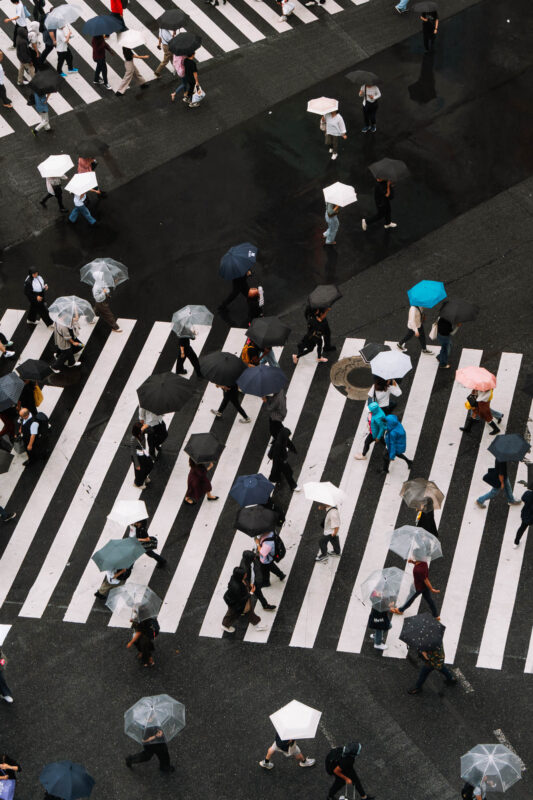
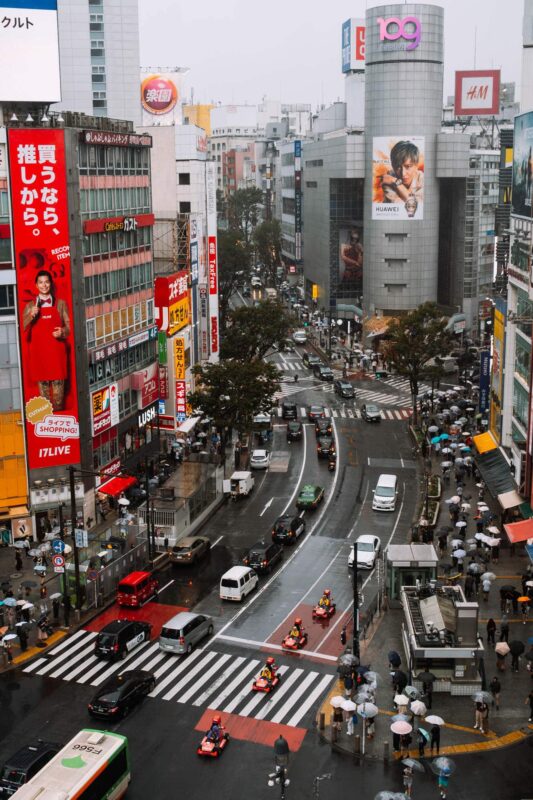
This is perhaps the most iconic street scene in all of Japan – and thanks to its neon-lit backdrop, it regularly shows up in films and media. The moment the traffic light turns green, an estimated 2,500 people cross simultaneously in every direction. It’s organized chaos that resolves itself within a few minutes, as if nothing happened. To truly experience the crossing, you’ll of course want to cross it yourself. But just as impressive is the view from above.
- Shibuya Sky is without a doubt the most spectacular spot to see Shibuya from above. From the open-air observation deck on the 47th floor of the Shibuya Scramble Square building, you look out over all of Tokyo with the bustling crossing below. The view is especially magical around sunset. Reserving well in advance for Shibuya Sky is a must.
- MAGNET by SHIBUYA109 is a lesser-known but excellent alternative to Shibuya Sky. You’ll find this viewpoint at the top of a shopping mall. Head up to the café on the 7th floor, pay the entrance fee (which includes a drink), and enjoy the view.

Sip an artistic coffee at Café Reissue
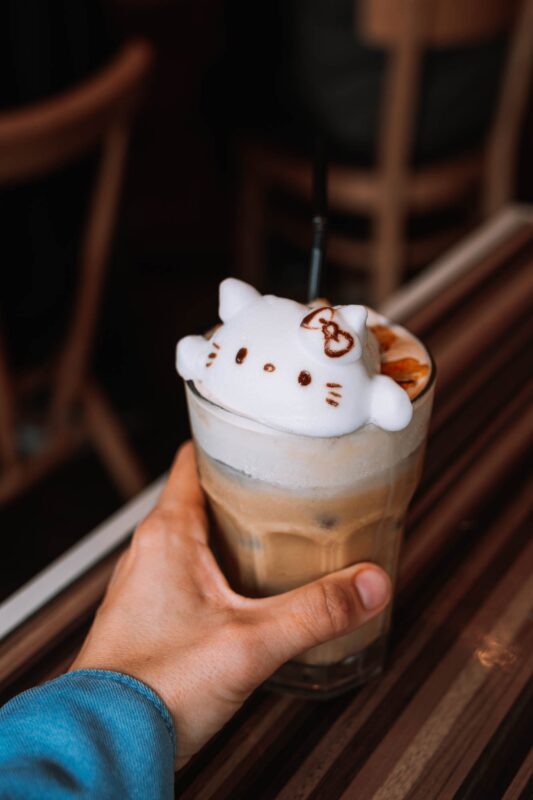
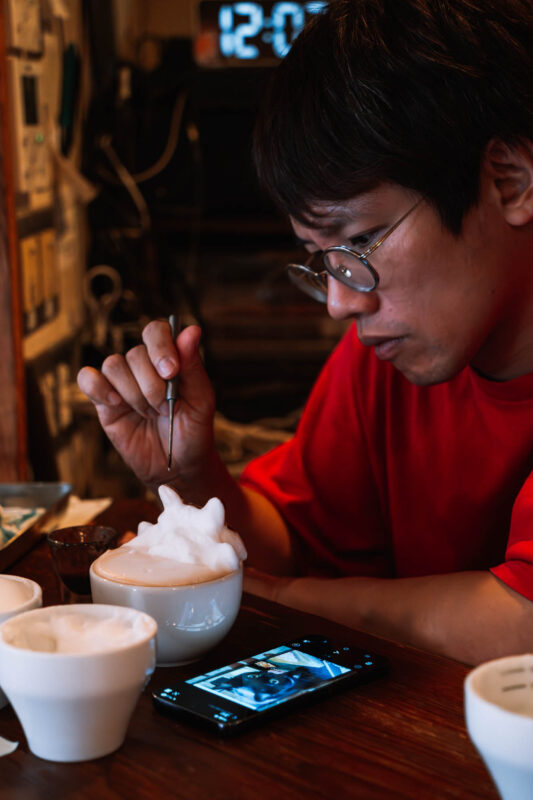
Tucked into the Harajuku neighborhood, among fashion boutiques and streetwear stores, is a café that turns your coffee into a small artistic experience: Café Reissue. The baristas here are true artists. Using milk, foam, and a tiny spoon, they transform your favorite character, pet, or photo into a miniature masterpiece floating on top of your cappuccino. From cute cats and cartoon characters to portraits of celebrities – nothing is too ambitious. You can even have your own photo recreated as a 3D latte art.
The café is small and popular, so arrive early or outside of lunchtime to avoid a wait. They accept cash only and are closed on Mondays.


Go-kart through neon-lit Shibuya
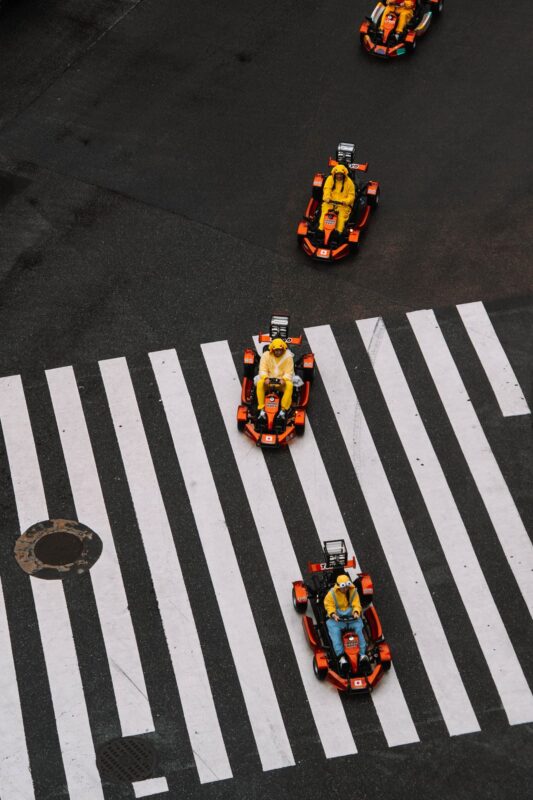
Street karting through Tokyo might just be the most unique way to explore the Japanese capital. Forget a calm amusement park ride – this is a real road experience where you zip through the heart of the city in a low-riding kart, weaving alongside taxis, buses, and Tokyo traffic. You’re literally eye-level with the city. Dressed in a colorful costume, you hop in the kart and follow a guide in a small group past iconic hotspots like Shibuya Crossing, Tokyo Tower, Odaiba, and Asakusa. Ready to tear through Tokyo yourself?
Heads up: You’ll need an international driver’s license to drive on public roads in Japan. If you’re from the US, you can obtain one through AAA before your trip.


Tips for the Asakusa neighborhood
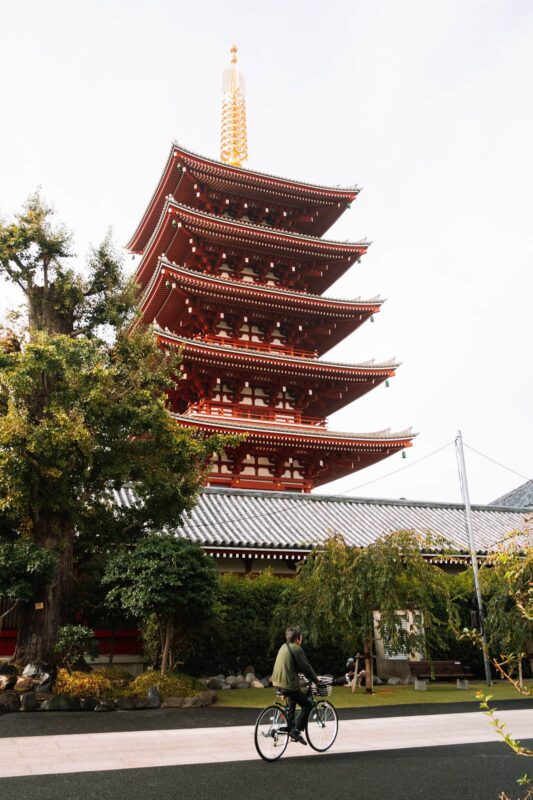
Asakusa is the part of Tokyo where time seems to have stood still. While other neighborhoods are defined by neon lights and skyscrapers, Asakusa still breathes the spirit of the old Edo period: the Japan of wooden houses, temple bells, and street vendors selling traditional snacks. If you’re looking for a more authentic side of Tokyo, this is your neighborhood!
Visit Senso-ji Temple
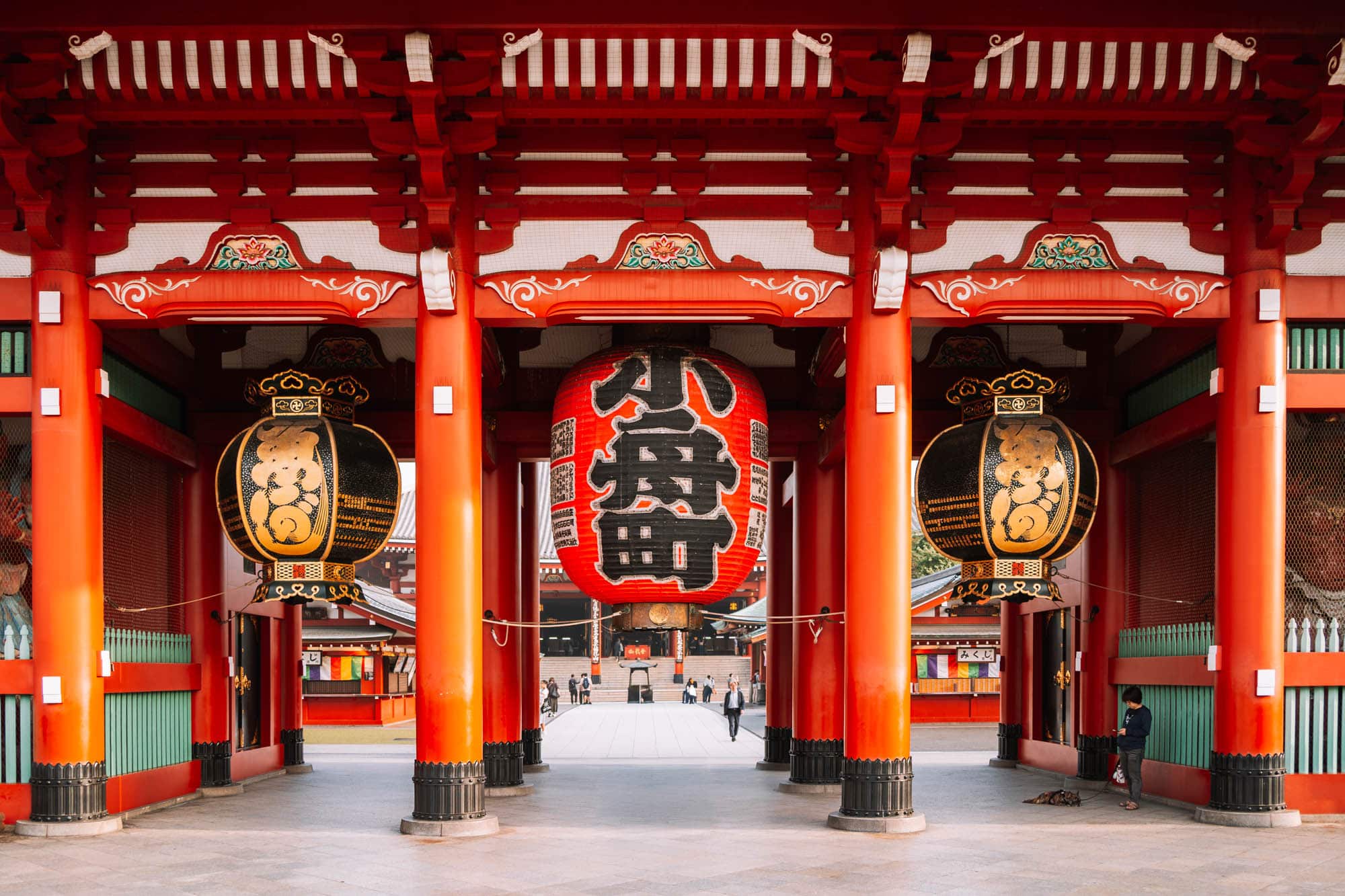
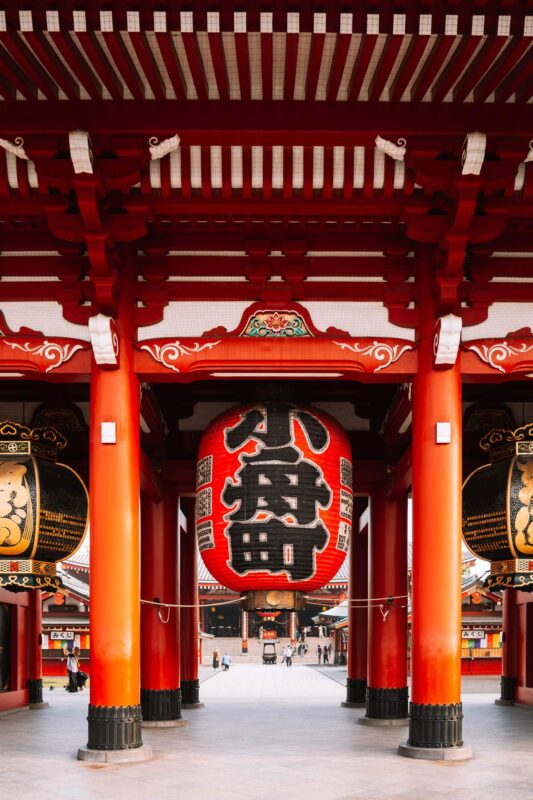
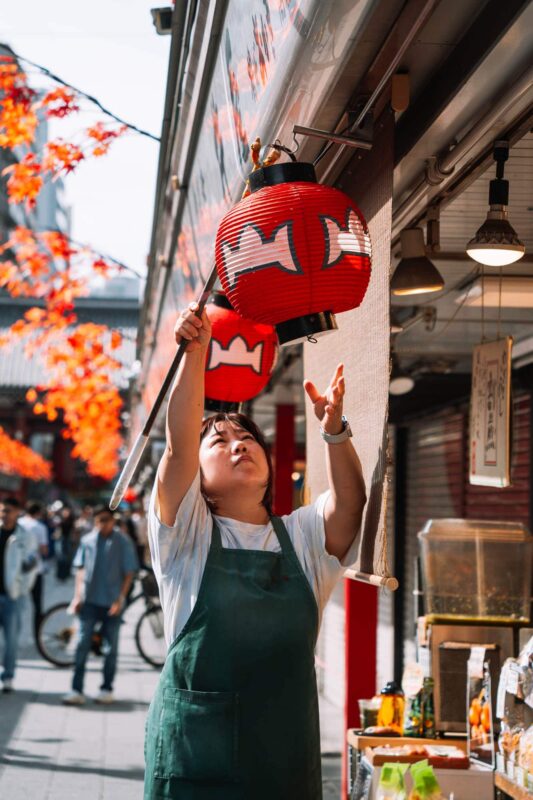
The heart of Asakusa is Senso-ji Temple, the oldest and most visited temple in Tokyo. Walk through the Kaminarimon gate with its enormous red lantern toward the main temple hall. Draw an omikuji (a fortune slip) and soak in the energy of this sacred place. The temple grounds are open 24/7, but come early in the morning or late in the evening when everything is beautifully lit up, to experience it in peace.
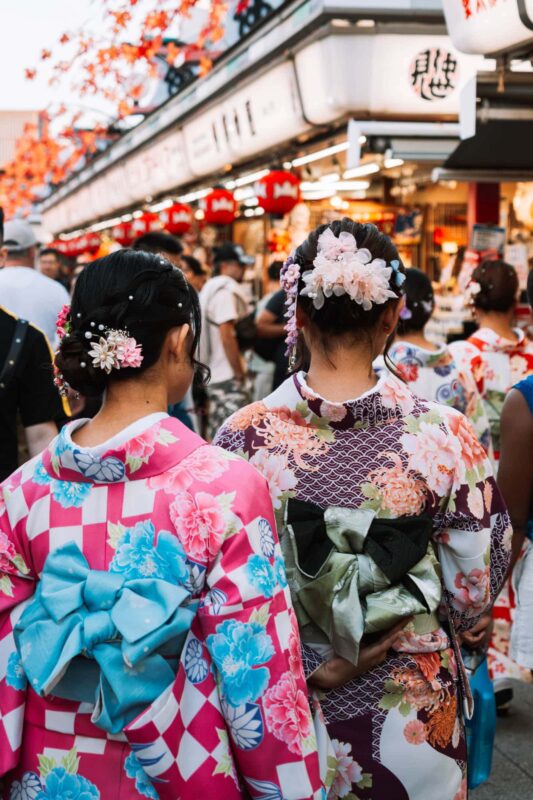
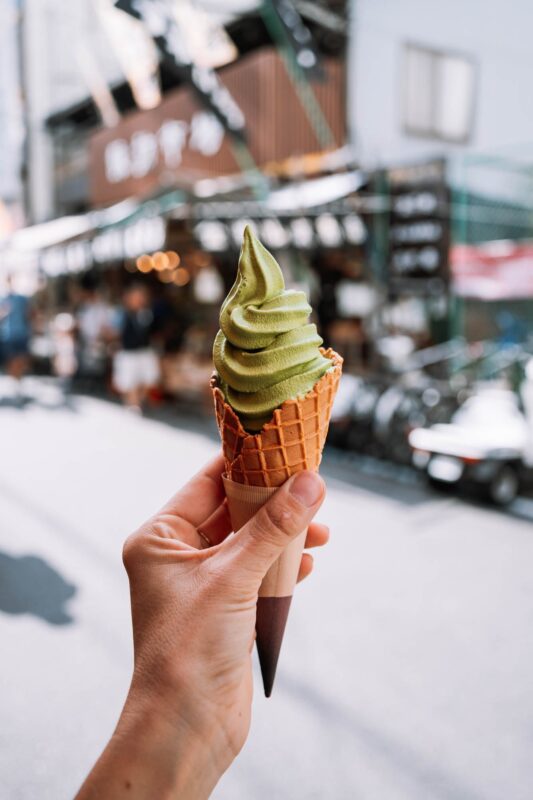
After your visit, head down Nakamise-dori, Japan’s oldest shopping street – a lively stretch full of stalls selling souvenirs, fans, kimonos, and Japanese sweets. Try a melon pan (sweet bread with a crispy crust) or ningyo-yaki (small filled cakes shaped like dolls). Make sure to stop and eat them on the spot, since walking and eating at the same time is considered bad etiquette in Japan. Between 9:00 and 10:00 AM, all the little shops open up and it gets busy fast.


Take in the view from Tokyo Skytree, Tokyo’s tallest structure
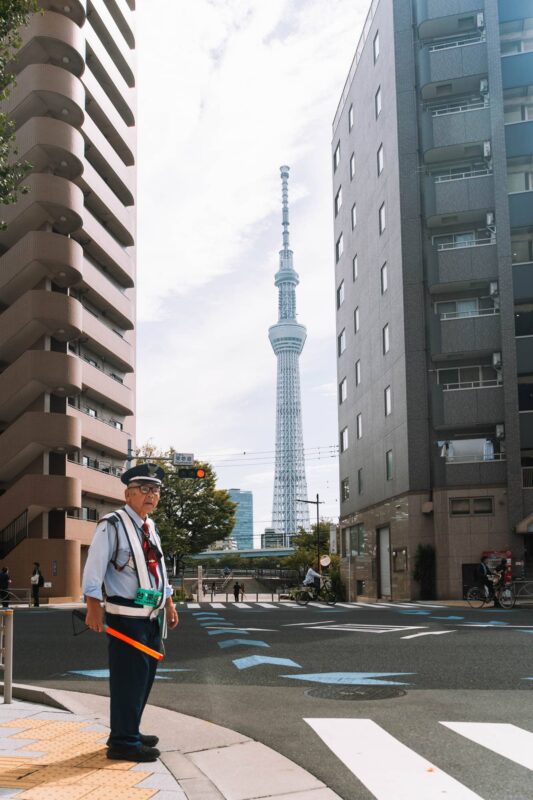
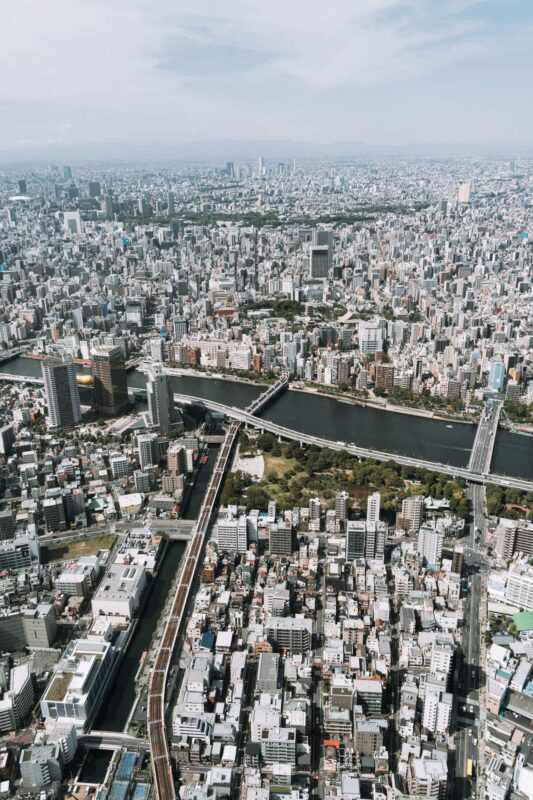
At 634 meters (2,080 feet), Tokyo Skytree is the tallest structure in Japan. You can spot it from almost every neighborhood in the city, but the best experience is going up yourself. The Skytree has two observation decks: the Tembo Deck at 350 meters (1,148 feet) and the Tembo Galleria at 450 meters (1,476 feet). The views are breathtaking – on a clear day, you can even spot Mount Fuji in the distance. Just before sunset is the most magical time, when you watch the day turn to night and the city lights slowly flicker on. It’s best to book your tickets in advance to avoid long lines.
Tip: On your way to Tokyo Skytree, take a moment to walk through Sumida Park, which offers a great view of the towering structure. In spring, the park is filled with blooming cherry trees – one of the most beautiful spots to celebrate hanami (flower viewing). In summer, it’s the perfect place to watch the Sumida River Fireworks Festival, usually held on the last Saturday of July.


Catch a sumo show in Tokyo
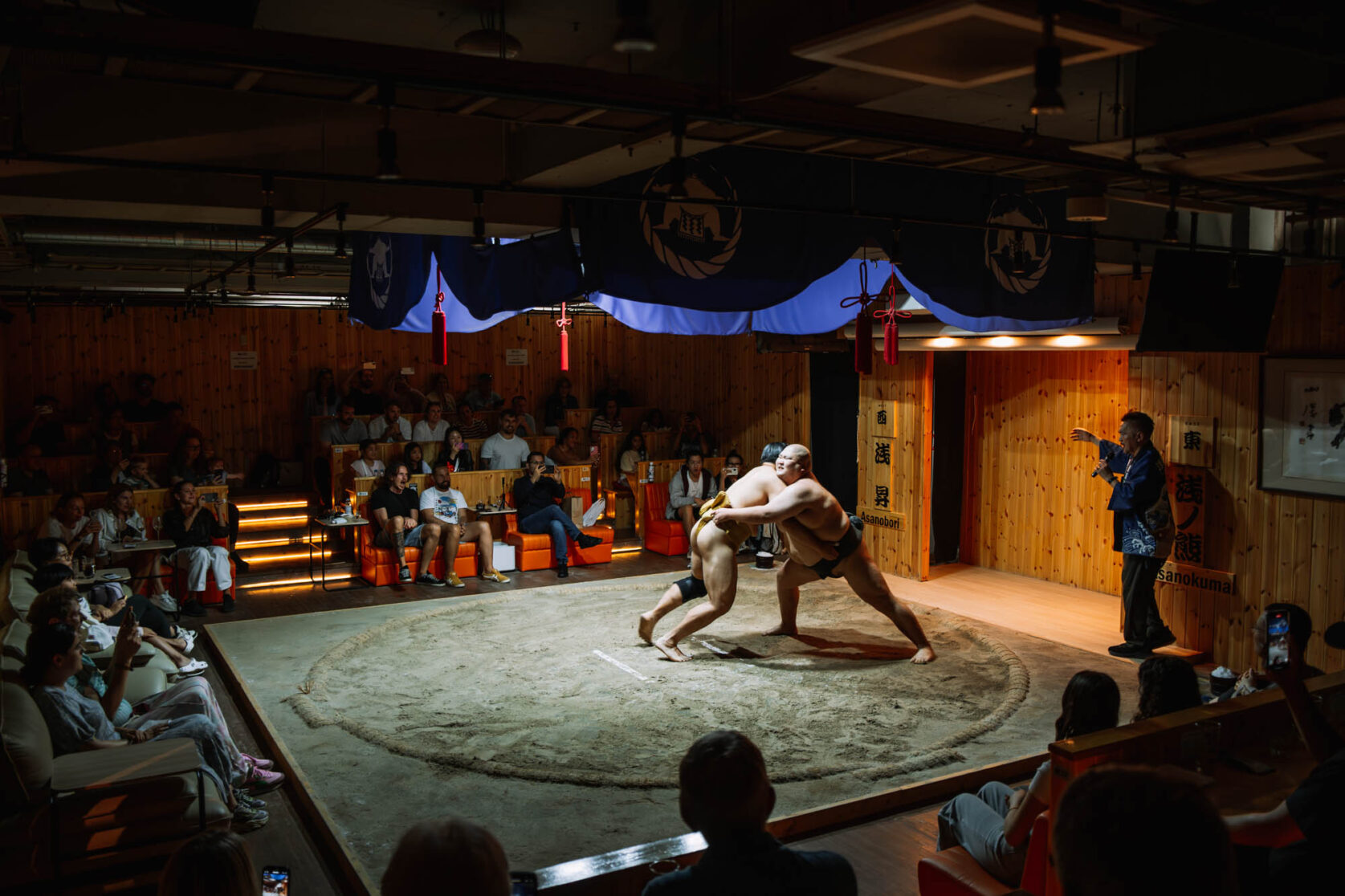
While the official sumo tournaments (basho) take place at the Ryogoku Kokugikan Arena nearby, sumo shows are regularly organized in Asakusa – making it ideal for travelers who want to experience the sport up close without attending a multi-day tournament. During the Sumo Show with Japanese dinner, you’ll not only watch real sumo wrestlers in action, but also learn about the customs and rituals surrounding the sport: the ceremonial salt-throwing, the stance before the bout, and the impressive strength and technique of the athletes. Afterward, you can often challenge a wrestler yourself, take photos with them, or ask questions through the guide. Dinner is included with the show, so no need to eat beforehand.

Tips for great restaurants in Tokyo
Tokyo is an enormous city with a staggering number of restaurants. Below you’ll find my 13 favorites. Some have multiple locations; for others I mention the neighborhood so you can easily see whether they’re near you.
- Ichiran Ramen – One of Tokyo’s most famous ramen chains with many locations throughout the city. You customize your own bowl of ramen with your preferred ingredients.
- Uobei Shibuya Dogenzaka (Shibuya) – A modern sushi conveyor belt restaurant with tablets and lightning-fast lanes that deliver your sushi in seconds.
- Ain Soph. Journey (Shinjuku) – A stylish restaurant serving creative vegan Japanese fusion dishes like tofu burgers and matcha pancakes.
- Teppan Baby (Shinjuku) – Watch them prepare okonomiyaki (Japanese savory pancake) right in front of you on a large iron griddle.
- Vegan Bistro Jangara (Shibuya) – Try some of the best vegan tacos, grilled tofu, ramen, and curries in the city.
- Gyukatsu Motomura – This restaurant chain is known for its gyukatsu: crispy deep-fried beef cutlets that you finish grilling yourself at the table.
- Tofu Ukai (Minato-ku) – A calm and elegant restaurant near Tokyo Tower that revolves entirely around tofu. You order a kaiseki menu (a multi-course tasting menu) in which tofu is prepared in a different way with each course.
- LaVASARA CAFE&GRILL (Asakusa) – Craving Italian food? This is the place to go.
- Afuri – This trendy ramen restaurant has multiple locations across Tokyo and is known for its light yuzu shio ramen with a fresh citrus twist, served in a sleek modern setting.
- Tsukishima Monja Moheji Honten (Chuo) – This is where you try monjayaki (the creamier cousin of okonomiyaki) – a thin batter with cabbage and fillings cooked right on the griddle at your table.
- Blue Bottle Coffee – The go-to breakfast spot in Tokyo! The interior is super stylish, the coffee is excellent, and the breakfast options are delicious. Multiple locations available.
- Katsukura Shinjuku Takashimaya (Shinjuku) – Refined tonkatsu (Japanese breaded pork cutlet) made from premium meat, served with freshly ground sesame and house-made sauce.
- Vegan Gyoza (Taito) – This cozy spot is all about colorful vegan gyoza with surprising fillings. Every gyoza comes in a different fun color!


Where to stay in Tokyo?
If you love being in the middle of the action around the clock, the Shinjuku and Shibuya neighborhoods are great choices. Shinjuku is a neighborhood of many faces: from izakayas in narrow alleyways to skyscrapers with sweeping views, and it offers easy access to trains and subways heading to every corner of the city. Shibuya feels a bit younger and more energetic, with plenty of shops, hotspots, and that quintessential Tokyo buzz. Step out of your hotel and you’re right in the thick of city life.
If you’d prefer a quieter, more traditional side of Tokyo, the Asakusa neighborhood is a great base. Here you’ll stroll between temples and old streets and experience a wonderful local atmosphere. Accommodation prices here also tend to be a bit lower than in the neighborhoods above. The one thing to keep in mind is that Asakusa isn’t the most centrally located – it sits on the eastern side of Tokyo. Getting from Asakusa to Shinjuku or Shibuya by subway takes about 30 to 45 minutes.
Our favorite spots in Tokyo
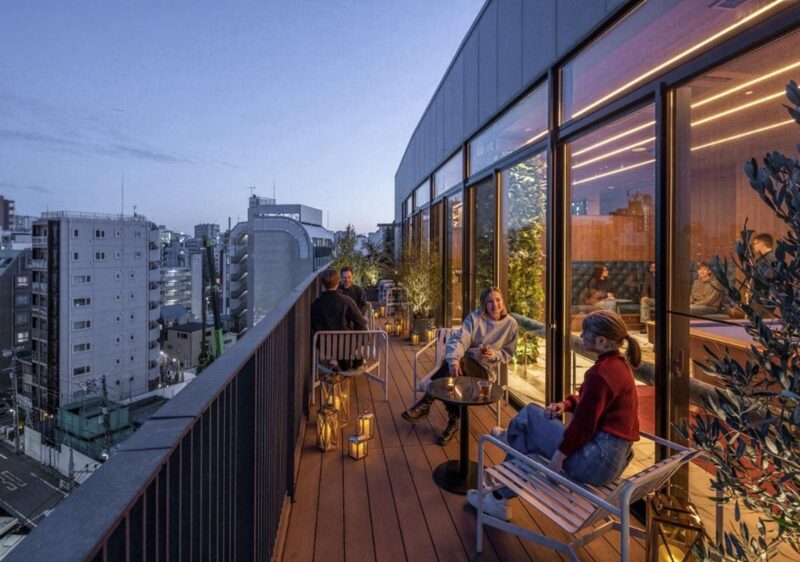
Looking for a cozy place to stay in the Shibuya neighborhood? Then Hotel Graphy Shibuya is the top pick! The location is nicely central – close to Shibuya station and the crossing, but tucked into a quiet corner. A great bonus is the shared space on the 7th floor with a large balcony, pool table, and bar, where you can easily meet other travelers, especially during the daily happy hour. Prefer to stay right in the heart of Tokyo’s buzz? Then the modern APA Hotel Higashi Shinjuku Kabukicho Tower in Shinjuku is a perfect fit. You’re surrounded by restaurants, shops, and neon chaos, yet once inside the hotel it’s surprisingly quiet. Multiple subway and JR stations are within walking distance, so you can zip across all of Tokyo with ease. The rooms are comfortable with especially cozy beds thanks to the thick mattress toppers. Another big plus is the large spa and onsen – the perfect way to unwind after a packed day in Tokyo. The b Asakusa is a brand-new, modern hotel right in the heart of the Asakusa neighborhood. It’s steps away from charming streets with great eateries and shops, and several subway stations are within walking distance. A delicious breakfast buffet is served every morning, and each evening guests receive a complimentary snack at the front desk.
  Hotel Graphy Shibuya Hotel Graphy Shibuya |
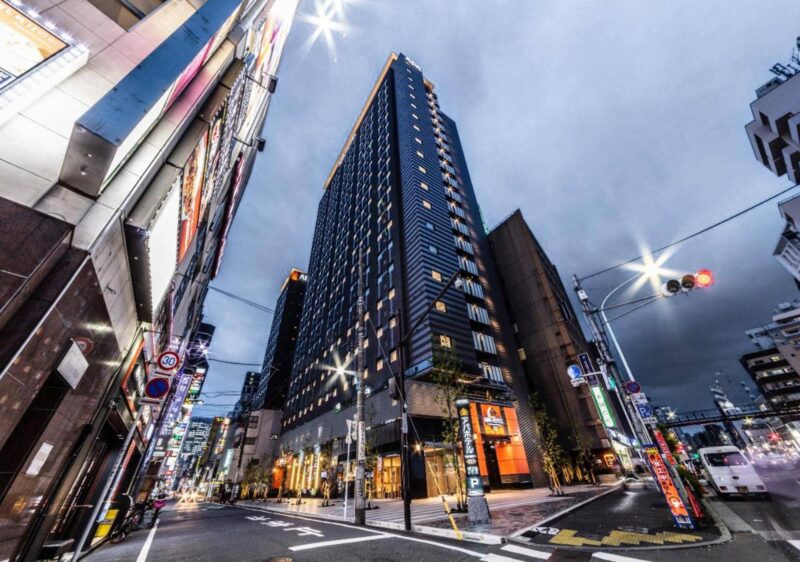  APA Hotel APA Hotel |
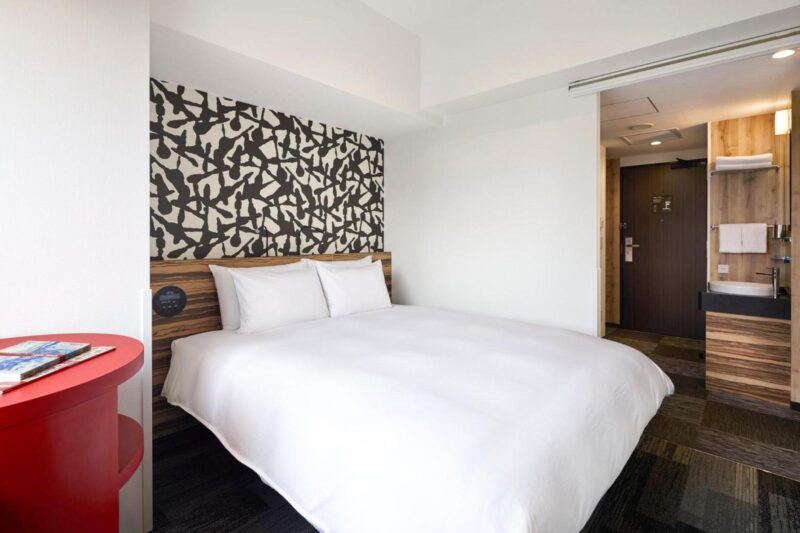  The b Asakusa The b Asakusa |